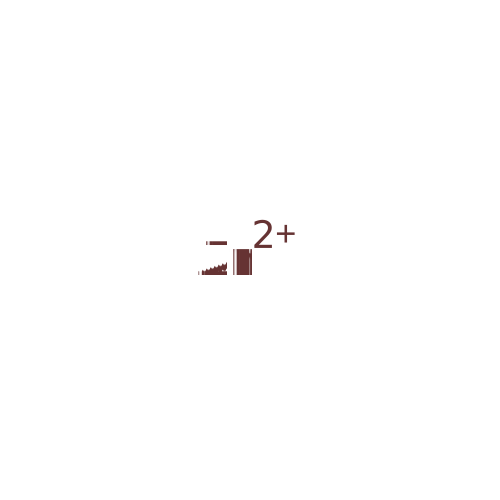
Zinc, also known as ZN2+ or zinc ion, belongs to the class of inorganic compounds known as homogeneous transition metal compounds. These are inorganic compounds containing only metal atoms,with the largest atom being a transition metal atom. Zinc is possibly soluble (in water) and possibly neutral. Zinc exists in all living species, ranging from bacteria to humans. Zinc is a potentially toxic compound.
belongs to the class of inorganic compounds known as homogeneous transition metal compounds. These are inorganic compounds containing only metal atoms,with the largest atom being a transition metal atom.
Since cow s milk and its derivatives are not only a major source of proteins and fats but also of micronutrients, such as calcium, zinc, riboflavin, magnesium, phosphorus, pantothenic acid, vitamin B12 and vitamin D, a cow s milk elimination diet without proper substitution of its components could represent a risk for nutritional status of CMA patients [44].
It is a vital reservoir of protein, essential nutrients such as calcium, phosphorus, magnesium, zinc, iodine, and potassium, and essential vitamins including A, D, B12, and B2 [17].
Among its nutrients, milk and dairy products contain high concentrations of micronutrients and macronutrients, such as calcium, magnesium, selenium, zinc, vitamin B12 and pantothenic acid, which are rich nutrients in the human diet [6].
Moreover, it is rich in trace elements like zinc, iron, and calcium, making it particularly beneficial for children s growth and elderly health needs [7].
The trace minerals iron, zinc, copper, manganese, fluoride, selenium, cobalt, chromium, and molybdenum are represented in similar concentrations of between 1 ug to 1.6 mg in human and cow s milk, with the exception of iodine, which is present at 27 (70 ug) in human relative to cow s milk.
Milk Zn content depends on dam supplementation (Pechova et al., 2008), and nearly 70 of U.S. forages fall below the recommended 30 mg Zn/kg DM (NASEM, 2016).
The concentrations of calcium, zinc, and selenium in the tested milk samples were determined by flame atomic absorption spectrometry (FAAS), using a Varian SpektrAA 280FS spectrometer with an SPS-3 autosampler and a SIPS diluent (Agilent Technologies, California, USA).
Milk is a globally consumed dietary staple and an important source of essential mineral nutrients such as calcium (Ca), magnesium (Mg), sodium (Na), potassium (K), iron (Fe), copper (Cu), zinc (Zn), and manganese (Mn).
Cow s milk also provides calcium, phosphorus, potassium, trace elements (zinc, selenium, iron, and copper), and both fat-soluble (A, D, E, and K) and water-soluble vitamins (thiamin, riboflavin, and B12) [1,28].
More than 50 nutritional components were analyzed and they include 18 kinds of amino acids, 4 kinds of total fatty acids as well as 16 kinds of specific fatty acid profiles, mineral (K, Na, Ca, Mg, Fe, Zn, Se and P) and vitamin contents (vitamin A, vitamin B1, vitamin B2, Vitamin B3, vitamin B5, vitamin B12 and vitamin C).
There were 728 cows whose combined morning and afternoon milk samples were measured for lactose, mineral (calcium, potassium, magnesium, sodium, phosphorus, sulphur, zinc) and protein (lactoperoxidase, lactoferrin, immunoglobulinG, alpha-lactalbum, beta-lactoglobulin, kappa-casein, alpha-S1-casein, beta-casein) concentrations.
SLC30A2 was also known as the zinc transporter ZnT2 with one intronic indel, and played an important role in transporting of Zn into mammary epithelial cells and secreting into the milk [60].
Two blocks located on Chr. 1 showed relationships with the chemical elements zinc and phosphorus, while the other five were linked to acid percentage in milk, including myristic acid, capric acid and caprylic acid.
The samples (n = 52) of human, cow, sheep, goat and mare milk were analyzed in triplicate for: cholesterol concentration, fatty acids profile and fat and mineral content (calcium, magnesium, sodium, potassium, iron, zinc).
Furthermore, bovine milk also provides micronutrients such as vitamins (A, D, B, C), minerals (calcium, magnesium, potassium) and trace elements (zinc, iodine, copper) [2].
The dairy group supplies many nutrients, including calcium, phosphorus, vitamin D, vitamin A, riboflavin, vitamin B12, protein and essential amino acids, potassium, zinc, choline, magnesium, and selenium [8].
Importantly, the nutrient-dense matrix of dairy milk can help achieve nutritional adequacy for several nutrients (namely, calcium, magnesium, phosphorous, vitamin A, vitamin B12, zinc, potassium, and choline).46
Briefly, the plasma samples were digested with nitric acid and perchloric acid, and then the digests were diluted to an appropriate concentration with ultra-pure water (Gong et al., 2014).
Zinc and non-esterified fatty acids (NEFA) were analyzed using Wako Chemicals Europe GmbH (Neuss, Germany); b-hydroxybutyric acid (BHB) was analyzed using kits purchased from Randox Laboratories Ltd., Crumlin, UK.
In this study, all steers had plasma Zn concentrations within adequate ranges, although plasma Zn is not a reliable biomarker for actual status, it can rule out deficiency (NASEM, 2016).
These findings are consistent with previous research showing that mineral elements such as Ca, Fe, copper, zinc, iodine, selenium, molybdenum, and chromium vary significantly in plasma depending on animal health status and metabolic stress.
Parameters measured were: the indexes of acute phase reaction, such as the positive acute phase protein haptoglobin and ceruloplasmin; the negative acute phase protein albumin, paraoxonase and the other index related to the negative acute phase protein reaction such as cholesterol, b-carotene, and vitamin A; bilirubin; the liver enzymes aspartate aminotransferase (AST or GOT) and g- glutamyl transpeptidase (GGT); minerals (calcium, magnesium, zinc, and phosphorous); creatinine; and vitamin E.
The descriptive statistics for the blood metabolites are in Table 1, a density plot for each blood metabolite is displayed in Additional file 2: Fig. S1, and the phenotypic means for the blood metabolites across lactation are in Additional file 1: Table S1 and Additional file 2: Fig. S2.
In total, 28 blood metabolites were analyzed using a clinical autoanalyzer (ILAB 650, Instrumentation Laboratory, Lexington, MA) following the method reported by Calamari et al. [37] and Hanasand et al. [38].
Variations of blood minerals are also observed, which can be used as biological markers, specifically calcium as a primary indicator of milk fever, and sodium, potassium, and zinc as markers of systemic inflammation and oxidation.
Blood urea nitrogen, albumin, GLDH, CK, P, Na, K, Cl, Zn, Hp, SAA, and monocyte counts were associated with BRD status throughout or at least at one of the time points evaluated in this study.
Blood mineral modifications measure homeostatic imbalance, with blood calcium being the major indicator of milk fever, and serum potassium and zinc being indicators of systemic inflammation and oxidation [14].
Hence, we evaluated the genomic prediction of serum biomarkers levels for metabolic distress in 1353 Holsteins genotyped with the 100K single nucleotide polymorphism (SNP) chip assay.
The serum zinc concentration was determined using a chemistry analyzer (RX Daytona; RANDOX Laboratories, Crumlin, UK) in a single assay (intra-assay CV was 1.9 ).
SLC30A2 was also known as the zinc transporter ZnT2 with one intronic indel, and played an important role in transporting of Zn into mammary epithelial cells and secreting into the milk [60].
Written in the paper as “zinc” and “mammary epithelial cells”
Copper and zinc both undergo complex absorption dynamics in the ruminant GIT, depending on the concentrations of other elements (e.g., S, Fe, Mo, and Mn) and are not absorbed simply in proportion to intake (Suttle, 2016).
Written in the paper as “zinc” and “gastrointestinal tract”
The tip of a toe of an ungulate mammal, strengthened by a thick horny (keratin) covering. The hoof consists of a hard or rubbery sole, and a hard wall formed by a thick nail rolled around the tip of the toe. The weight of the animal is normally borne by both the sole and the edge of the hoof wall. Hooves grow continuously, and are constantly worn down by use.
Liver samples were dried and acid digested in preparation for subsequent analysis of Cu, Fe, Mn, and Zn concentration via ICP-OES using methods previously described (Pogge and Hansen, 2013).
Similarly, research demonstrated that subcutaneous supplementation of specific minerals, such as zinc, manganese, selenium, and copper, led to increased SOD activity, decreased serum BHBA concentrations, reduced milk SCC, and a lower incidence of mastitis (82).
Therefore, proper management of diet during transition period such as supplementation of vitamin E and zinc, is critical to prevent mastitis infection and to increase lactation [57,58].
Blood urea nitrogen, albumin, GLDH, CK, P, Na, K, Cl, Zn, Hp, SAA, and monocyte counts were associated with BRD status throughout or at least at one of the time points evaluated in this study.
Written in the paper as “zinc” and “bovine respiratory disease”
Plasma Zn was affected by treatment × day (P < 0.01) where HIGH steers did not change over time and ADE exhibited decreased plasma Zn in response to disease, characteristic of a classical nutritional immunity response.
Written in the paper as “zinc” and “bovine respiratory disease”
Opposite, the thiol groups, neutrophils, and serum zinc levels were significantly decreased in the RP cows versus healthy animals (Moretti, et al., 2015).
Written in the paper as “zinc” and “retained placenta”
In cows with RP,not only hypocalcemiais observed but also reduced serum zinc concentration, increased aspartate transaminase (AST) activity and neutropenia are noted [43].
Written in the paper as “zinc” and “retained placenta”
Improper mineral nutrition can also be a prerequisite for lameness [26,71,112], being mainly caused by a lack of calcium, phosphorus, zinc, copper, manganese, selenium, iodine, or sulphur amino acids [83].
Harder horn has been shown to contain higher concentrations of zinc when compared to softer-heel horns, and lame animals also have significantly lower Zn concentrations in the horn as compared to healthy animals [117].
Although most studies recommend supplying minerals in organic form, Noori et al. [42] successfully used zinc in the form of sulphate for fattening bulls for the decrease the occurrence of lameness.
Injectable trace mineral supplement containing zinc, manganese, selenium, and copper reduced the incidence of chronic clinical mastitis in dairy cows with elevated SCC (Ceballos-Marquez et al. 2010; Ganda et al. 2016).
Written in the paper as “zinc” and “chronic clinical mastitis”
Their findings demonstrated a positive impact on udder health, leading to a decrease in linear SCC, and a reduction in the incidence of subclinical and clinical mastitis cases.
Written in the paper as “zinc” and “clinical mastitis”
An acute or chronic, usually bacterial infectious process affecting the endometrium. It may extend to the myometrium and parametrial tissues. Symptoms include lower abdominal pain, vaginal discharge, and vaginal bleeding.
Moreover, cows with uterine infections and inflammation after calving had decreased serum concentrations of Zn in comparison to cows without uterine infections [52].
Written in the paper as “zinc” and “uterine infections”
Singh et al. [19] successfully used zinc together with biotin in the form of sulphate in their study in order to prevent the occurrence of hoof diseases.
Written in the paper as “zinc” and “hoof diseases”
In cattle, both Galarza et al. (2021) and Hong et al. (2024) noted decreases in plasma Zn concentrations following M. haemolytica infection, and Orr et al. (1990) found decreased plasma Zn following bovine rhinotracheitis infection.
Written in the paper as “zinc” and “bovine rhinotracheitis”
Various buffers, rumen modifiers (monensin, lasalocid, tylosin, and virginiamycin), and increased intake of copper, zinc, and biotin can help to alleviate the severity of laminitis and delay its onset [35].
Abnormal responses to sunlight or artificial light due to extreme reactivity of light-absorbing molecules in tissues. It refers almost exclusively to skin photosensitivity, including sunburn, reactions due to repeated prolonged exposure in the absence of photosensitizing factors, and reactions requiring photosensitizing factors such as photosensitizing agents and certain diseases. With restricted reference to skin tissue, it does not include photosensitivity of the eye to light, as in photophobia or photosensitive epilepsy.
Being able to identify whether a photosensitisation is caused by sporidesmin, or some other toxin , will allow for specific prevention, treatment and management methods, such as removing animals from toxic pastures, carrying out spore counting, or zinc treatment.
Written in the paper as “zinc” and “photosensitization”
A non-neoplastic or neoplastic disorder that affects the respiratory system. Representative examples include pneumonia, chronic obstructive pulmonary disease, pulmonary failure, lung adenoma, lung carcinoma, and tracheal carcinoma.
This is consistent with other studies showing Zn supplementation can reduce the duration and severity of clinical signs associated with respiratory disease (Kesler and Abuelo, 2024).
Written in the paper as “zinc” and “respiratory disease”
Their findings demonstrated a positive impact on udder health, leading to a decrease in linear SCC, and a reduction in the incidence of subclinical and clinical mastitis cases.
Written in the paper as “zinc” and “subclinical mastitis”
The mineral constituents contribute to maintaining extracellular fluid osmolality and acid-base balance, activating enzymatic activity, supporting immune function [21], and exerting anti-inflammatory and metabolism-promoting effects [22,23].
Written in the paper as “zinc” and “immune function”
The appearance of a cytokine due to biosynthesis or secretion following a cellular stimulus, resulting in an increase in its intracellular or extracellular levels.
Zn can suppress the inflammatory response by affecting the secretion of proinflammatory cytokines and monocyte signal transduction, as well as interfering with the binding of leukocyte function-associated antigen-1 to ICAM-1 [85].
Written in the paper as “Zinc” and “secretion of proinflammatory cytokines”
Adequate Zn is essential for the proper functioning and proliferation of neutrophils, macrophages, T and B lymphocytes, and NK cells, and can also control the production of cytokines by immune cells.
Written in the paper as “Zinc” and “production of cytokines”
Adolescence is also a critical time for achieving peak bone mass, requiring adequate intake and stores of nutrients including protein, zinc, vitamin D, calcium, phosphorous, magnesium, among others [82].
Written in the paper as “zinc” and “achieving peak bone mass”
An immune response mediated by cells expressing specific receptors for antigens produced through a somatic diversification process, and allowing for an enhanced secondary response to subsequent exposures to the same antigen (immunological memory).
Zn supplementation enhances antiviral, intrinsic, and humoral immunity, and restores the function of immune cells or improves the function of normal immune cells, especially in immunocompromised or elderly patients [82].
Written in the paper as “Zinc” and “antiviral, intrinsic, and humoral immunity”
A programmed cell death process which begins when a cell receives an internal (e.g. DNA damage) or external signal (e.g. an extracellular death ligand), and proceeds through a series of biochemical events (signaling pathway phase) which trigger an execution phase. The execution phase is the last step of an apoptotic process, and is typically characterized by rounding-up of the cell, retraction of pseudopodes, reduction of cellular volume (pyknosis), chromatin condensation, nuclear fragmentation (karyorrhexis), plasma membrane blebbing and fragmentation of the cell into apoptotic bodies. When the execution phase is completed, the cell has died.
Zn has also been identified to impact apoptotic functions in a dose-dependent manner with greater zinc concentrations inducing apoptosis (Franklin and Costello, 2009; Kocdor et al., 2015).
For lactating cows, a balance of Zn2+ intake could enhance the degradation of fibre and promote rumen SCFA production, bacterial growth, and microbial protein biosynthesis [57].
Written in the paper as “Zn2+” and “bacterial growth”
The process whose specific outcome is the progression of bone over time, from its formation to the mature structure. Bone is the hard skeletal connective tissue consisting of both mineral and cellular components.
The process whose specific outcome is the progression of the brain over time, from its formation to the mature structure. Brain development begins with patterning events in the neural tube and ends with the mature structure that is the center of thought and emotion. The brain is responsible for the coordination and control of bodily activities and the interpretation of information from the senses (sight, hearing, smell, etc.).
Similar to infancy and early childhood, TASFs can provide critical nutrients in bioavailable forms (e.g., iron, zinc, DHA, choline, vitamin B12) to meet the needs of brain development in middle childhood and adolescence.
Written in the paper as “zinc” and “Brain development”
The cellular developmental process in which a relatively unspecialized cell, e.g. embryonic or regenerative cell, acquires specialized structural and/or functional features that characterize a specific cell. Differentiation includes the processes involved in commitment of a cell to a specific fate and its subsequent development to the mature state.
Zinc is vital for growth, supporting DNA transcription, cell proliferation and differentiation, and pituitary hormone function (Henkin, 1976; MacDonald, 2000; Dreosti, 2001).
Written in the paper as “zinc” and “differentiation”
Zinc is vital for growth, supporting DNA transcription, cell proliferation and differentiation, and pituitary hormone function (Henkin, 1976; MacDonald, 2000; Dreosti, 2001).
Written in the paper as “zinc” and “cell proliferation”
The directed movement of a motile cell or organism, or the directed growth of a cell guided by a specific chemical concentration gradient. Movement may be towards a higher concentration (positive chemotaxis) or towards a lower concentration (negative chemotaxis).
According to the findings, Zn deficiency reduces the production of antibodies, affects the function of the innate immune system, reduces the production of cytokines by monocytes, and also causes chemotaxis and oxidative explosion of neutrophil granulocytes [20].
Zn is necessary for colostrum synthesis, and the increase in reactive oxygen species generated in the postpartum period stimulates the synthesis of Zn and Fe-dependent metalloproteins, resulting in reductions of these trace mineral plasma concentrations.
Written in the paper as “zinc” and “colostrum synthesis”
Relative expression of solute carrier family 39 member 8 (SLC39A8), which encodes the protein ZIP8, responsible for cytosolic influx of Zn and Mn was not influenced by IMP, MANG, and DAY or their interactions (P > 0.13).
Written in the paper as “zinc” and “cytosolic influx of zinc and Mn/kg dry matter”
For lactating cows, a balance of Zn2+ intake could enhance the degradation of fibre and promote rumen SCFA production, bacterial growth, and microbial protein biosynthesis [57].
Written in the paper as “Zn2+” and “degradation of fibre”
Zinc is essential for various physiological functions, including the development and functioning of the immune system, growth, and reproduction, as well as for protein synthesis [79].
Written in the paper as “zinc” and “development and functioning of the immune system”
Involved in
development and normal function of innate immune cells
Zinc is vital for growth, supporting DNA transcription, cell proliferation and differentiation, and pituitary hormone function (Henkin, 1976; MacDonald, 2000; Dreosti, 2001).
Written in the paper as “zinc” and “DNA transcription”
The progression of endochondral ossification and linear growth is regulated by the influence of endocrine/paracrine/autocrine signals and zinc, which mediate a cascade of signals through different pathways [67].
Written in the paper as “zinc” and “endochondral ossification”
Zinc is essential for various physiological functions, including the development and functioning of the immune system, growth, and reproduction, as well as for protein synthesis [79].
Horn growth is a complex process that requires cysteine, methionine, minerals, especially calcium, zinc, and vitamins, especially biotin, for its keratinization.
The appearance of immunoglobulin due to biosynthesis or secretion following a cellular stimulus, resulting in an increase in its intracellular or extracellular levels.
According to the findings, Zn deficiency reduces the production of antibodies, affects the function of the innate immune system, reduces the production of cytokines by monocytes, and also causes chemotaxis and oxidative explosion of neutrophil granulocytes [20].
Written in the paper as “Zinc” and “production of antibodies”
These macros/micronutrients are crucial for infant development and an inadequate elimination diet could lead to serious consequences, including poor growth and malnutrition [45].
Written in the paper as “zinc” and “infant development”
The immediate defensive reaction (by vertebrate tissue) to infection or injury caused by chemical or physical agents. The process is characterized by local vasodilation, extravasation of plasma into intercellular spaces and accumulation of white blood cells and macrophages.
Zn can suppress the inflammatory response by affecting the secretion of proinflammatory cytokines and monocyte signal transduction, as well as interfering with the binding of leukocyte function-associated antigen-1 to ICAM-1 [85].
Written in the paper as “Zinc” and “inflammatory response”
According to the findings, Zn deficiency reduces the production of antibodies, affects the function of the innate immune system, reduces the production of cytokines by monocytes, and also causes chemotaxis and oxidative explosion of neutrophil granulocytes [20].
Written in the paper as “Zinc” and “function of the innate immune system”
In vitro studies have shown that Zinc (Zn) induces Interferon-alpha (IFN-a) and gamma (IFN-g) production and can enhance the antiviral function of the former [20].
Written in the paper as “Zinc” and “Interferon-alpha (Interferon-alpha) production”
The process in which the cytoplasm of the outermost cells of the vertebrate epidermis is replaced by keratin. Keratinization occurs in the stratum corneum, feathers, hair, claws, nails, hooves, and horns.
Nutrients that are necessary for keratinization include amino acids (cysteine, methionine), fatty acids (linoleic and arachidonic acid), minerals (especially calcium), and trace elements (zinc) and vitamins (biotin) [73].
Written in the paper as “zinc” and “keratinization process”
SLC30A2 was also known as the zinc transporter ZnT2 with one intronic indel, and played an important role in transporting of Zn into mammary epithelial cells and secreting into the milk [60].
Written in the paper as “zinc” and “secreting into the milk”
The process in which a relatively unspecialized hemopoietic precursor cell acquires the specialized features of a leukocyte. A leukocyte is an achromatic cell of the myeloid or lymphoid lineages capable of ameboid movement, found in blood or other tissue.
The chemical reactions and pathways resulting in the formation of lipids, compounds soluble in an organic solvent but not, or sparingly, in an aqueous solvent.
For lactating cows, a balance of Zn2+ intake could enhance the degradation of fibre and promote rumen SCFA production, bacterial growth, and microbial protein biosynthesis [57].
Written in the paper as “Zn2+” and “microbial protein biosynthesis”
Any process involved in the maintenance of an internal steady state of monoatomic ions within an organism or cell. Monatomic ions (also called simple ions) are ions consisting of exactly one atom.
Zn can suppress the inflammatory response by affecting the secretion of proinflammatory cytokines and monocyte signal transduction, as well as interfering with the binding of leukocyte function-associated antigen-1 to ICAM-1 [85].
Written in the paper as “Zinc” and “monocyte signal transduction”
Several studies have suggested that interactions between Cd or Pb and Zn in the organism result in a high degree from an affinity of both metals to MT and their ability to induce its synthesis.
Plasma Zn was affected by treatment × day (P < 0.01) where HIGH steers did not change over time and ADE exhibited decreased plasma Zn in response to disease, characteristic of a classical nutritional immunity response.
Written in the paper as “zinc” and “nutritional immunity response”
Zinc is vital for growth, supporting DNA transcription, cell proliferation and differentiation, and pituitary hormone function (Henkin, 1976; MacDonald, 2000; Dreosti, 2001).
Written in the paper as “zinc” and “pituitary hormone function”
The results of the review in this study show that micronutrients such as vitamins D, E, B, C, and A as well as minerals Zn, Cu, Mg, I, and Se and bioactive peptides, each can have positive and significant effects on strengthening the immune system and general health in humans.
Written in the paper as “Zinc” and “strengthening the immune system”
Upregulates
proliferation of neutrophils, macrophages, T and B lymphocytes, and natural killer cells
Adequate Zn is essential for the proper functioning and proliferation of neutrophils, macrophages, T and B lymphocytes, and NK cells, and can also control the production of cytokines by immune cells.
Written in the paper as “Zinc” and “proliferation of neutrophils, macrophages, T and B lymphocytes, and natural killer cells”
Zinc is essential for various physiological functions, including the development and functioning of the immune system, growth, and reproduction, as well as for protein synthesis [79].
Written in the paper as “zinc” and “protein synthesis”
The mineral constituents contribute to maintaining extracellular fluid osmolality and acid-base balance, activating enzymatic activity, supporting immune function [21], and exerting anti-inflammatory and metabolism-promoting effects [22,23].
Written in the paper as “zinc” and “acid-base balance”
A biological process that directly contributes to the process of producing new individuals by one or two organisms. The new individuals inherit some proportion of their genetic material from the parent or parents.
Zinc is essential for various physiological functions, including the development and functioning of the immune system, growth, and reproduction, as well as for protein synthesis [79].
A phase of elevated metabolic activity, during which oxygen consumption increases; this leads to the production, by an NADH dependent system, of hydrogen peroxide (H2O2), superoxide anions and hydroxyl radicals.
According to the findings, Zn deficiency reduces the production of antibodies, affects the function of the innate immune system, reduces the production of cytokines by monocytes, and also causes chemotaxis and oxidative explosion of neutrophil granulocytes [20].
Written in the paper as “Zinc” and “oxidative explosion of neutrophil granulocytes”
The chemical reactions and pathways resulting in the formation of RNA, ribonucleic acid, one of the two main type of nucleic acid, consisting of a long, unbranched macromolecule formed from ribonucleotides joined in 3',5'-phosphodiester linkage. Includes polymerization of ribonucleotide monomers. Refers not only to transcription but also to e.g. viral RNA replication.
The results of a study show that Zn effectively inhibits the RNA-synthesizing activity of nidoviruses (including SARS-CoV) in vitro, which is realized through alteration of RNA-dependent RNA polymerase (RdRp) activity during the elongation phase of RNA synthesis, probably by directly affecting template binding [87].
Written in the paper as “Zinc” and “RNA synthesis”
Upregulates
short-chain fatty acid biosynthetic process GO:0051790
The chemical reactions and pathways resulting in the formation of a short-chain fatty acid. A short-chain fatty acid has an aliphatic tail containing fewer than 6 carbons.
For lactating cows, a balance of Zn2+ intake could enhance the degradation of fibre and promote rumen SCFA production, bacterial growth, and microbial protein biosynthesis [57].
Written in the paper as “Zn2+” and “rumen SCFA production”
It has recently been demonstrated that zinc has an action on DIOs (inhibitor and cofactor of these enzymes) T3 nuclear binding and on TSH synthesis in sheep (Sampaio et al. 2021).
Written in the paper as “zinc” and “T3 nuclear binding”
It has recently been demonstrated that zinc has an action on DIOs (inhibitor and cofactor of these enzymes) T3 nuclear binding and on TSH synthesis in sheep (Sampaio et al. 2021).
Written in the paper as “zinc” and “thyroid stimulating hormone synthesis”
Consumed by
transporting of zinc into mammary epithelial cells
SLC30A2 was also known as the zinc transporter ZnT2 with one intronic indel, and played an important role in transporting of Zn into mammary epithelial cells and secreting into the milk [60].
Written in the paper as “zinc” and “transporting of zinc into mammary epithelial cells”
An inflammatory response driven by antigen recognition by antibodies bound to Fc receptors on mast cells or basophils, occurring within minutes after exposure of a sensitized individual to the antigen, and leading to the release of a variety of inflammatory mediators such as histamines.
For the protein BLG, our research group was able to show that together with its ligands like iron-siderophores, vitamin A and D, or zinc, can protect against allergic immune reactions [20, 21, 22, 23, 24, 25].
Written in the paper as “zinc” and “allergic immune reactions”
The appearance of interferon-gamma due to biosynthesis or secretion following a cellular stimulus, resulting in an increase in its intracellular or extracellular levels. Interferon-gamma is also known as type II interferon.
In vitro studies have shown that Zinc (Zn) induces Interferon-alpha (IFN-a) and gamma (IFN-g) production and can enhance the antiviral function of the former [20].
Written in the paper as “Zinc” and “gamma (IFN-g) production”
The absorption of zinc, a major component of ZNFs, also plays an important role in the early rumen papillae development and keratinization in goat kids [46].
Written in the paper as “zinc” and “absorption of zinc”
Supplementation with 70 or 120 mg Zn/kg DM for 25 days pre- and 28 days post-transit has been shown to improve post-transit dry matter intake (DMI) and average daily gain (ADG; Heiderscheit and Hansen, 2022).
Written in the paper as “zinc” and “average daily gain”
For the 55-d period, both trace mineral products increased ADG, DMI, and G:F vs. the control, and BRD morbidity was least for the TM1 product vs. control and intermediate for the TM2 product, resulting in the total antibiotic cost per calf being decreased by the two products.
Written in the paper as “zinc” and “average daily gain”
Supplementation with 70 or 120 mg Zn/kg DM for 25 days pre- and 28 days post-transit has been shown to improve post-transit dry matter intake (DMI) and average daily gain (ADG; Heiderscheit and Hansen, 2022).
Written in the paper as “zinc” and “dry matter intake”
For the 55-d period, both trace mineral products increased ADG, DMI, and G:F vs. the control, and BRD morbidity was least for the TM1 product vs. control and intermediate for the TM2 product, resulting in the total antibiotic cost per calf being decreased by the two products.
In the absence of reliable biomarkers for marginal zinc status in cattle, improvements in growth performance, intake, and feed efficiency can serve as practical indicators of zinc adequacy (Beeson et al., 1977).
Written in the paper as “zinc” and “feed efficiency”
These alterations in blood metabolite levels are directly linked with the main metabolic disorders (energy imbalances, ketosis, and milk fever) and negatively impact dairy herd profitability and production by affecting milk production, reproductive efficiency, and overall herd health [4, 5].
Written in the paper as “zinc” and “reproductive efficiency”
Zinc is vital for growth, supporting DNA transcription, cell proliferation and differentiation, and pituitary hormone function (Henkin, 1976; MacDonald, 2000; Dreosti, 2001).
In the absence of reliable biomarkers for marginal zinc status in cattle, improvements in growth performance, intake, and feed efficiency can serve as practical indicators of zinc adequacy (Beeson et al., 1977).
Written in the paper as “zinc” and “growth performance”
In the absence of reliable biomarkers for marginal zinc status in cattle, improvements in growth performance, intake, and feed efficiency can serve as practical indicators of zinc adequacy (Beeson et al., 1977).
These alterations in blood metabolite levels are directly linked with the main metabolic disorders (energy imbalances, ketosis, and milk fever) and negatively impact dairy herd profitability and production by affecting milk production, reproductive efficiency, and overall herd health [4, 5].
Written in the paper as “zinc” and “milk production”
Supplements fed through the diet (vitamin E, vitamin C, carotene, and trace elements such as selenium, zinc or b-flavonoids, vitamin A, and manganese fundamental chain of enzymatic antioxidants ) have been proven useful to reduce the occurrence of udder infections and improve the quality of their production, in terms of fat, protein, and somatic cell count [5, 11], giving to the product an added value as a source of antioxidants for the human diet, with beneficial effects in the gastrointestinal tract and other tissues [8].
Plasma Zn correlated with the count of somatic cells in the milk (P = 0.03) and plasma Cu levels correlated with milk protein and casein content (P < 0.01).
Written in the paper as “zinc” and “count of somatic cells in the milk”
Meanwhile, receiving 32.5 and 36.0 kg/d Zn for 12 weeks could reduce somatic cell counts (SCC) and amyloid A levels in milk of dairy cows (Cope et al., 2009).
Written in the paper as “zinc” and “somatic cell counts”
Similarly, research demonstrated that subcutaneous supplementation of specific minerals, such as zinc, manganese, selenium, and copper, led to increased SOD activity, decreased serum BHBA concentrations, reduced milk SCC, and a lower incidence of mastitis (82).
Written in the paper as “zinc” and “somatic cells”
Schulte et al. (2021) reported that RH-only supplementation resulted (P < 0.01) in the toughest steaks at 1 d postmortem, while meat from cattle supplemented supranutritional Zn-only tended to have a lower WBSF value (P = 0.06) at 1 d postmortem.
Written in the paper as “zinc” and “Warner–Bratzler shear force”
Premix contained (per kg of premix): 420,000 IU of vitamin A, 110,000 IU of vitamin D3, 4,200 IU of vitamin E, 2620 mg of Fe, 155 g of Ca, 30 g of P, 820 mg of Cu, 1,800 mg of Mn, 3,500 mg of Zn, 30 mg of I, 35 mg of Se, and 22 mg of Co.
1Per kg premix contained the following: 4 g of calcium; 5.5 g of phosphorus; 2 g of sodium; 4 g of magnesium; 40,000 IU, of vitamin A; 37,000 IU, of vitamin D; 500 IU, of vitamin E; 30 mg of copper; 25 mg of iron; 140 mg of manganese; 140 mg of zinc; 0.8 mg of selenium.
1Premix provided the following per kg of the diet:50 g Mg, 2.5 g Fe, 0.4 g Cu, 2 g Mn, 1.5 g Zn, 10 mg Se, 25 mg I, 5 mg Co, 500,000 IU vitamin A, 25,000 IU vitamin D, 2500 IU vitamin D.2
Each kilogram contained 1800 mg Fe, 350 mg Cu, 2160 mg Mn, 2660 mg Zn, 14 mg Se, 21 mg I, 18 mg Co, 180 000 IU vitamin A, 45 000 IU vitamin D and 2150 IU vitamin E
AbFormulated to provide (per kg of DM) 4,560 mg of Cu, 3,000 mg of Fe, 12,100 mg of Zn, 4,590 mg of Mn, 60 mg of Co, 200 mg of Se, 270 mg of I, 10,000 IU of vitamin E, 450,000 IU of vitamin D, 2,000,000 IU of vitamin A, and 3,000 mg of nicotinic acidcChemical composition based on chemical analysis of the total mixed ration (TMR), as described
Written in the paper as “zinc” and “Premix”
Is component of
38120 - combination of vitamin and mineral only supplements (efsa foodex2) FOODON:03543812
The group includes all supplements based only on formulations including both minerals (normally salts of different chemical elements) and vitamins. If relevant, all the characterising ingredients should be reported with additional facet descriptors. The part consumed/analysed is by default the whole marketed unit or a homogeneous representative portion.[https://en.wikipedia.org/wiki/Dietary_supplement] and [https://www.google.co.uk/search?tbm=isch&q=multi vitamin and mineral supplements]
Contains per kilogram premix: 10,000,000 IU vitamin A; 70,000 IU vitamin E; 1,600,000 IU vitamin D; 50 g iron; 40 g zinc; 40 g manganese; 0.1 g cobalt; 10 g copper; 0.1 g selenium; 0.5 g iodine.
Written in the paper as “zinc” and “Mineral and vitamins”
Every kilogram of mineral-vitamin premix contained the following: 3500 IU Vitamin A, 3000 IU Vitamin D3, 45 IU Vitamin E, 63 mg Zn, 60 mg Fe, 98.6 mg Mn, 20 mg Cu, 1.1 mg I, 0.50 mg Se, and 0.45 mg Co.
Written in the paper as “zinc” and “mineral-vitamin premix”
Cereal grains from the plant classified under the species Hordeum vulgare L., commonly known as Barley grains. The part consumed/analysed is not specified. When relevant, information on the part consumed/analysed has to be reported with additional facet descriptors. In case of data collections related to legislations, the default part consumed/analysed is the one defined in the applicable legislation.[https://en.wikipedia.org/wiki/Barley] and [https://www.google.co.uk/search?tbm=isch&q=Barley+grains]
Oilseeds from the plant classified under the species Cannabis sativa L. subs. sativa, commonly known as Hemp seeds. The part consumed/analysed is not specified. When relevant, information on the part consumed/analysed has to be reported with additional facet descriptors. In case of data collections related to legislations, the default part consumed/analysed is the one defined in the applicable legislation.[https://en.wikipedia.org/wiki/Cannabis_sativa] and [https://www.google.co.uk/search?tbm=isch&q=Hemp seeds]
Improvements in early (1 d postmortem) Warner-Bratzler shear force (WBSF) values in Angus steers (Schulte et al., 2021) were identified when fed 150 mg Zn/kg DM (basal diet Zn [36 mg Zn/kg] + 60 mg Zn/kg from Zn-amino acid complex + 60 mg Zn/kg from ZnSO4).
Both Asparagopsis and Dictyota had high concentration of zinc, however, Halymenia also had a similar concentration but produced 47.9 more TGP and 89.5 more CH4 than Dictyota.
Written in the paper as “zinc” and “brown macroalga Dictyota”
In this study, BLG was detected in cow stable dust and aerosolized up to 300 m around the farm; it was complexed with zinc and tightly associated with LPS, with well-known TLR4 signaling capacity.
Written in the paper as “zinc” and “cow stable dust”
Table 1Average chemical composition of creep feeding supplement provided from day 70 to 220 and post weaning supplement provided from Day 221 to 458.ItembSupplementaCreep feedingPost-weaningTDN, 62.5 67.0 CP, 20.0 20.0 Ca, g/kg45.020.0P, g/kg7.510.0Na, g/kg15.065.0Zn, mg/kg360.0400.0Cu, mg/kg120.0155.0I, mg/kg6.014.0Co, mg/kg7.510.0Se, mg/kg3.07.0Mn, mg/kg202.5-Virginiamycin, mg/kg125.0-aCreep feeding = Molasses block supplementation offered ad libitum during the pre-weaning; Post weaning = Supplementation offered at 0.3 of body weight/animal/day.bTDN total digestible nutrients, CP crude protein, Ca calcium, P phosphorous, Na sodium, Zn zinc, Cu copper, I iodine, Co cobalt, Se selenium, Mn manganese.
Written in the paper as “zinc” and “creep feeding supplement”
The copper content of the diet averaged 16.3 + 2.8 ppm while the zinc content averaged 72.3 + 3.8 ppm (with the greatest value for zinc occurring on day 64; Supplementary Table S6).
Therefore, despite adequate plasma Zn and a 40 mg Zn/kg DM diet, the Zn0 cattle likely had insufficient Zn status to support optimal growth, as evidenced by the performance advantage of Zn100 steers.
Written in the paper as “zinc” and “dry matter diet”
These trace elements are commonly used in the livestock industry as feed additives and antimicrobials, including in footbaths to prevent lameness [59].
Cows on pasture received a mineral supplement in the form of a liquid mineral preparation injected into the water supply (Terra Liquid Minerals, Moone Lodge, Moone, Athy, Co. Kildare, Ireland), giving a mean intake (mg/cow per d) of Na, Mg, Zn, Cu, Se, and Co of 5.0, 1.2, 219, 106, 3.8, and 3.0, respectively.
Written in the paper as “zinc” and “liquid mineral preparation”
Zn also works as an antioxidant for free radicals that damage the cells by blocking the action of activated oxygen atoms (El-Shahawy et al., 2010; Ali et al., 2011).
Supplements fed through the diet (vitamin E, vitamin C, carotene, and trace elements such as selenium, zinc or b-flavonoids, vitamin A, and manganese fundamental chain of enzymatic antioxidants ) have been proven useful to reduce the occurrence of udder infections and improve the quality of their production, in terms of fat, protein, and somatic cell count [5, 11], giving to the product an added value as a source of antioxidants for the human diet, with beneficial effects in the gastrointestinal tract and other tissues [8].
These potentiate the activity of immune cells (such as Se and Vit E) and act as antioxidants (Vit A, Zn, Cu) to protect against the toxic effects of Reactive Oxygen Species (ROS) [75,76].
An organic molecule or ion (usually a metal ion) that is required by an enzyme for its activity. It may be attached either loosely (coenzyme) or tightly (prosthetic group).
Zn2+, an essential micronutrient and key cofactor in microbial metabolism, could significantly enhance the growth and metabolic capacity of microbes in vitro [56].
In dairy cows at peak lactation, intake levels of orally supplemented Cu, Zn, and Mn (cofactors for antioxidants) affected liver mitochondrial oxygen consumption (Acetoze et al., 2018).
Written in the paper as “zinc” and “cofactors for antioxidants”
Zn2+, an essential micronutrient and key cofactor in microbial metabolism, could significantly enhance the growth and metabolic capacity of microbes in vitro [56].
Written in the paper as “Zn2+” and “essential micronutrient”
Zhang P, Allen JC: A novel dialysis procedure measuring free Zn2+ in bovine milk and plasma. J Nutr. 1995 Jul;125(7):1904-10. doi: 10.1093/jn/125.7.1904. [PubMed:7616307 ]
Campillo N, Vinas P, Lopez-Garcia I, Hernandez-Cordoba M: Direct determination of copper and zinc in cow milk, human milk and infant formula samples using electrothermal atomization atomic absorption spectrometry. Talanta. 1998 Aug;46(4):615-22. [PubMed:18967184 ]
Gaucheron F: Milk and dairy products: a unique micronutrient combination. J Am Coll Nutr. 2011 Oct;30(5 Suppl 1):400S-9S. [PubMed:22081685 ]
Semaghiul Birghila, Simona Dobrinas, Gabriela Stanciu and Alina Soceanu (2008). Semaghiul Birghila, Simona Dobrinas, Gabriela Stanciu and Alina Soceanu. Determination of major and minor elements in milk through ICP-AES. Environmental Engineering and Management Journal. November/December 2008, Vol.7, No.6, 805-808. Environmental Engineering and Management Journal.
Z. Dobrzański, R. Kołacz, H. Górecka, K. Chojnacka, A. Bartkowiak. (2005). Z. Dobrzański, R. Kołacz, H. Górecka, K. Chojnacka, A. Bartkowiak. 2005. The Content of Microelements and Trace Elements in Raw Milk from Cows in the Silesian Region. Pol. J. Environ. Stud. 14(5):685–689. Polish Journal of Environmental Studies.
Park, Y. W; Juárez, Manuela ; Ramos, M.; Haenlein, G. F. W. (2007). Park, Y. W; Juárez, Manuela ; Ramos, M.; Haenlein, G. F. W.. Physico-chemical characteristics of goat and sheep milk. Small Ruminant Res.(2007) 68:88-113 doi: 10.1016/j.smallrumres.2006.09.013. Small Ruminant Research.
A. Foroutan et al. (2019). A. Foroutan et al. The Chemical Composition of Commercial Cow's Milk (in preparation). Journal of Agricultural and Food Chemistry.
Patricia Cava-Montesinos, M. Luisa Cervera Agustín Pastor Miguel de la Guardia (2005). Patricia Cava-Montesinos, M. Luisa Cervera Agustín Pastor Miguel de la Guardia. 2005. Room temperature acid sonication ICP-MS multielemental analysis of milk.Analytica Chimica Acta Volume 531, Issue 1, Pages 111-123. Analytica Chimica Acta.
Hydrolyzes ADP-ribose, IDP-ribose, CDP-glycerol, CDP-choline and CDP-ethanolamine, but not other non-reducing ADP-sugars or CDP-glucose. May be involved in immune cell signaling as suggested by the second-messenger role of ADP-ribose, which activates TRPM2 as a mediator of oxidative/nitrosative stress (By similarity).
Cleaves the membrane-bound precursor of TNF-alpha to its mature soluble form. Responsible for the proteolytical release of soluble JAM3 from endothelial cells surface (By similarity). Responsible for the proteolytic release of several other cell-surface proteins, including heparin-binding epidermal growth-like factor, ephrin-A2, CD44, CDH2 and for constitutive and regulated alpha-secretase cleavage of amyloid precursor protein (APP) (PubMed:10097139). Contributes to the normal cleavage of the cellular prion protein (By similarity). Involved in the cleavage of the adhesion molecule L1 at the cell surface and in released membrane vesicles, suggesting a vesicle-based protease activity (By similarity). Controls also the proteolytic processing of Notch and mediates lateral inhibition during neurogenesis (By similarity). Responsible for the FasL ectodomain shedding and for the generation of the remnant ADAM10-processed FasL (FasL APL) transmembrane form (By similarity). Also cleaves the ectodomain of the integral membrane proteins CORIN and ITM2B (By similarity). Mediates the proteolytic cleavage of LAG3, leading to release the secreted form of LAG3 (By similarity). Enhances the cleavage of CHL1 by BACE1 (By similarity). Cleaves NRCAM (By similarity). Cleaves TREM2, resulting in shedding of the TREM2 ectodomain (By similarity). Involved in the development and maturation of glomerular and coronary vasculature (By similarity). During development of the cochlear organ of Corti, promotes pillar cell separation by forming a ternary complex with CADH1 and EPHA4 and cleaving CADH1 at adherens junctions (By similarity). May regulate the EFNA5-EPHA3 signaling (By similarity).
Presumably involved in the processing and regular turnover of intracellular proteins. Catalyzes the removal of unsubstituted N-terminal amino acids from various peptides.
Sorting receptor that directs prohormones to the regulated secretory pathway. Acts also as a prohormone processing enzyme in neuro/endocrine cells, removing dibasic residues from the C-terminal end of peptide hormone precursors after initial endoprotease cleavage.
Catalyzes the deacetylation of N-acetylaspartic acid (NAA) to produce acetate and L-aspartate. NAA occurs in high concentration in brain and its hydrolysis NAA plays a significant part in the maintenance of intact white matter (By similarity).
Single-stranded DNA-specific cytidine deaminase. Involved in somatic hypermutation (SHM), gene conversion, and class-switch recombination (CSR) in B-lymphocytes by deaminating C to U during transcription of Ig-variable (V) and Ig-switch (S) region DNA. Required for several crucial steps of B-cell terminal differentiation necessary for efficient antibody responses. May also play a role in the epigenetic regulation of gene expression by participating in DNA demethylation.
Hydrolyzes N(G),N(G)-dimethyl-L-arginine (ADMA) and N(G)-monomethyl-L-arginine (MMA) which act as inhibitors of NOS. Has therefore a role in the regulation of nitric oxide generation.
Hydrolyzes a variety of dipeptides including L-carnosine but has a strong preference for Cys-Gly. Catalyzes the production of N-lactoyl-amino acids from lactate and amino acids by reverse proteolysis.
Bifunctional enzyme that catalyzes the post-translational modification of inactive peptidylglycine precursors to the corresponding bioactive alpha-amidated peptides, a terminal modification in biosynthesis of many neural and endocrine peptides (PubMed:2059626). Alpha-amidation involves two sequential reactions, both of which are catalyzed by separate catalytic domains of the enzyme. The first step, catalyzed by peptidyl alpha-hydroxylating monoxygenase (PHM) domain, is the copper-, ascorbate-, and O2- dependent stereospecific hydroxylation (with S stereochemistry) at the alpha-carbon (C-alpha) of the C-terminal glycine of the peptidylglycine substrate (PubMed:2059626). The second step, catalyzed by the peptidylglycine amidoglycolate lyase (PAL) domain, is the zinc-dependent cleavage of the N-C-alpha bond, producing the alpha-amidated peptide and glyoxylate (PubMed:2059626). Similarly, catalyzes the two-step conversion of an N-fatty acylglycine to a primary fatty acid amide and glyoxylate (By similarity).
Polyol dehydrogenase that catalyzes the reversible NAD(+)-dependent oxidation of various sugar alcohols. Is mostly active with xylitol, D-sorbitol (D-glucitol) and L-iditol as substrates, leading to the C2-oxidized products D-xylulose, D-fructose and L-sorbose, respectively (PubMed:9143345). Is a key enzyme in the polyol pathway that interconverts glucose and fructose via sorbitol, which constitutes an important alternate route for glucose metabolism. May play a role in sperm motility by using sorbitol as an alternative energy source for sperm motility (By similarity). Cannot use NADP(+) as the electron acceptor. Has no activity on ethanol, methanol, glycerol, galactitol and fructose 6-phosphate (PubMed:9143345).
Cotranslationally removes the N-terminal methionine from nascent proteins. The N-terminal methionine is often cleaved when the second residue in the primary sequence is small and uncharged (Met-Ala-, Cys, Gly, Pro, Ser, Thr, or Val).
Cotranslationally removes the N-terminal methionine from nascent proteins. The N-terminal methionine is often cleaved when the second residue in the primary sequence is small and uncharged (Met-Ala-, Cys, Gly, Pro, Ser, Thr, or Val).
Cleaves aggrecan, a cartilage proteoglycan, and may be involved in its turnover. May play an important role in the destruction of aggrecan in arthritic diseases. Cleaves aggrecan at the '392-Glu-|-Ala-393' site.
Nuclease involved in single-strand and double-strand DNA break repair. Recruited to sites of DNA damage through interaction with poly(ADP-ribose), a polymeric post-translational modification synthesized transiently at sites of chromosomal damage to accelerate DNA strand break repair reactions. Displays apurinic-apyrimidinic (AP) endonuclease and 3'-5' exonuclease activities in vitro. Also able to introduce nicks at hydroxyuracil and other types of pyrimidine base damage. Together with PARP3, promotes the retention of the LIG4-XRCC4 complex on chromatin and accelerate DNA ligation during non-homologous end-joining (NHEJ).
Functions as a weak apurinic/apyrimidinic (AP) endodeoxyribonuclease in the DNA base excision repair (BER) pathway of DNA lesions induced by oxidative and alkylating agents. Initiates repair of AP sites in DNA by catalyzing hydrolytic incision of the phosphodiester backbone immediately adjacent to the damage, generating a single-strand break with 5'-deoxyribose phosphate and 3'-hydroxyl ends. Displays also double-stranded DNA 3'-5' exonuclease, 3'-phosphodiesterase activities. Shows robust 3'-5' exonuclease activity on 3'-recessed heteroduplex DNA and is able to remove mismatched nucleotides preferentially. Shows fairly strong 3'-phosphodiesterase activity involved in the removal of 3'-damaged termini formed in DNA by oxidative agents. In the nucleus functions in the PCNA-dependent BER pathway. Required for somatic hypermutation (SHM) and DNA cleavage step of class switch recombination (CSR) of immunoglobulin genes. Required for proper cell cycle progression during proliferation of peripheral lymphocytes (By similarity).
Protects the body from potent vasoactive and inflammatory peptides containing C-terminal Arg or Lys (such as kinins or anaphylatoxins) which are released into the circulation.
Catalyzes the oxidation of long-chain primary alcohols and the oxidation of S-(hydroxymethyl) glutathione. Also oxidizes long chain omega-hydroxy fatty acids, such as 20-HETE, producing both the intermediate aldehyde, 20-oxoarachidonate and the end product, a dicarboxylic acid, (5Z,8Z,11Z,14Z)-eicosatetraenedioate. Class-III ADH is remarkably ineffective in oxidizing ethanol.
Converts angiotensin I to angiotensin II by release of the terminal His-Leu, this results in an increase of the vasoconstrictor activity of angiotensin. Also able to inactivate bradykinin, a potent vasodilator. Has also a glycosidase activity which releases GPI-anchored proteins from the membrane by cleaving the mannose linkage in the GPI moiety (By similarity).
Cleaves aggrecan, a cartilage proteoglycan, at the '392-Glu-|-Ala-393' site, and may be involved in its turnover. May play an important role in the destruction of aggrecan in arthritic diseases. May play a role in proteolytic processing mostly during the peri-implantation period.
Carboxypeptidase which converts angiotensin I to angiotensin 1-9, a peptide of unknown function, and angiotensin II to angiotensin 1-7, a vasodilator (By similarity). Also able to hydrolyze apelin-13 and dynorphin-13 with high efficiency. By cleavage of angiotensin II, may be an important regulator of heart function (By similarity). By cleavage of angiotensin II, may also have a protective role in acute lung injury (By similarity). Plays an important role in amino acid transport by acting as binding partner of amino acid transporter SLC6A19 in intestine, regulating trafficking, expression on the cell surface, and its catalytic activity (By similarity).
Metalloprotease that specifically cleaves 'Lys-63'-linked polyubiquitin chains. Does not have activity toward 'Lys-48'-linked polyubiquitin chains. Component of the BRCA1-A complex, a complex that specifically recognizes 'Lys-63'-linked ubiquitinated histones H2A and H2AX at DNA lesions sites, leading to target the BRCA1-BARD1 heterodimer to sites of DNA damage at double-strand breaks (DSBs). In the BRCA1-A complex, it specifically removes 'Lys-63'-linked ubiquitin on histones H2A and H2AX, antagonizing the RNF8-dependent ubiquitination at double-strand breaks (DSBs). Catalytic subunit of the BRISC complex, a multiprotein complex that specifically cleaves 'Lys-63'-linked ubiquitin in various substrates. Mediates the specific 'Lys-63'-specific deubiquitination associated with the COP9 signalosome complex (CSN), via the interaction of the BRISC complex with the CSN complex. The BRISC complex is required for normal mitotic spindle assembly and microtubule attachment to kinetochores via its role in deubiquitinating NUMA1. Plays a role in interferon signaling via its role in the deubiquitination of the interferon receptor IFNAR1; deubiquitination increases IFNAR1 activity by enhancing its stability and cell surface expression. Down-regulates the response to bacterial lipopolysaccharide (LPS) via its role in IFNAR1 deubiquitination.
E3 ubiquitin-protein ligase that specifically mediates the formation of 'Lys-6'-linked polyubiquitin chains and plays a central role in DNA repair by facilitating cellular responses to DNA damage. It is unclear whether it also mediates the formation of other types of polyubiquitin chains. The E3 ubiquitin-protein ligase activity is required for its tumor suppressor function. The BRCA1-BARD1 heterodimer coordinates a diverse range of cellular pathways such as DNA damage repair, ubiquitination and transcriptional regulation to maintain genomic stability. Regulates centrosomal microtubule nucleation. Required for normal cell cycle progression from G2 to mitosis. Required for appropriate cell cycle arrests after ionizing irradiation in both the S-phase and the G2 phase of the cell cycle. Involved in transcriptional regulation of P21 in response to DNA damage. Required for FANCD2 targeting to sites of DNA damage. May function as a transcriptional regulator. Inhibits lipid synthesis by binding to inactive phosphorylated ACACA and preventing its dephosphorylation. Contributes to homologous recombination repair (HRR) via its direct interaction with PALB2, fine-tunes recombinational repair partly through its modulatory role in the PALB2-dependent loading of BRCA2-RAD51 repair machinery at DNA breaks. Component of the BRCA1-RBBP8 complex which regulates CHEK1 activation and controls cell cycle G2/M checkpoints on DNA damage via BRCA1-mediated ubiquitination of RBBP8. Acts as a transcriptional activator.
Sperm surface membrane protein that may be involved in sperm-egg plasma membrane adhesion and fusion during fertilization. Could have a direct role in sperm-zona binding or migration of sperm from the uterus into the oviduct. Interactions with egg membrane could be mediated via binding between its disintegrin-like domain to one or more integrins receptors on the egg. This is a non catalytic metalloprotease-like protein (By similarity).
Deubiquitinating enzyme involved in beta-2 adrenergic receptor (ADRB2) recycling. Acts as a regulator of G-protein coupled receptor (GPCR) signaling by mediating the deubiquitination beta-2 adrenergic receptor (ADRB2). Plays a central role in ADRB2 recycling and resensitization after prolonged agonist stimulation by constitutively binding ADRB2, mediating deubiquitination of ADRB2 and inhibiting lysosomal trafficking of ADRB2. Upon dissociation, it is probably transferred to the translocated beta-arrestins, possibly leading to beta-arrestins deubiquitination and disengagement from ADRB2. This suggests the existence of a dynamic exchange between the ADRB2 and beta-arrestins. Deubiquitinates DIO2, thereby regulating thyroid hormone regulation. Deubiquitinates HIF1A, leading to stabilize HIF1A and enhance HIF1A-mediated activity. Mediates deubiquitination of both 'Lys-48'- and 'Lys-63'-linked polyubiquitin chains (By similarity).
Cleaves the propeptides of type I and II collagen prior to fibril assembly (PubMed:7622483). Does not act on type III collagen (PubMed:7622483). Cleaves lysyl oxidase LOX at a site downstream of its propeptide cleavage site to produce a short LOX form with reduced collagen-binding activity (By similarity).
Posttranslational modification, protein turnover, chaperones
Specific function:
ATP-dependent protease which is essential for axonal and neuron development. In neurons, mediates degradation of SMDT1/EMRE before its assembly with the uniporter complex, limiting the availability of SMDT1/EMRE for MCU assembly and promoting efficient assembly of gatekeeper subunits with MCU. Required for the maturation of paraplegin (SPG7) after its cleavage by mitochondrial-processing peptidase (MPP), converting it into a proteolytically active mature form. Required for the maturation of PINK1 into its 52kDa mature form after its cleavage by mitochondrial-processing peptidase (MPP) (By similarity).
Introduces a single-strand break via transesterification at a target site in duplex DNA. Releases the supercoiling and torsional tension of DNA introduced during the DNA replication and transcription by transiently cleaving and rejoining one strand of the DNA duplex. The scissile phosphodiester is attacked by the catalytic tyrosine of the enzyme, resulting in the formation of a DNA-(5'-phosphotyrosyl)-enzyme intermediate and the expulsion of a 3'-OH DNA strand.
Component of the cytochrome c oxidase, the last enzyme in the mitochondrial electron transport chain which drives oxidative phosphorylation. The respiratory chain contains 3 multisubunit complexes succinate dehydrogenase (complex II, CII), ubiquinol-cytochrome c oxidoreductase (cytochrome b-c1 complex, complex III, CIII) and cytochrome c oxidase (complex IV, CIV), that cooperate to transfer electrons derived from NADH and succinate to molecular oxygen, creating an electrochemical gradient over the inner membrane that drives transmembrane transport and the ATP synthase. Cytochrome c oxidase is the component of the respiratory chain that catalyzes the reduction of oxygen to water. Electrons originating from reduced cytochrome c in the intermembrane space (IMS) are transferred via the dinuclear copper A center (CU(A)) of subunit 2 and heme A of subunit 1 to the active site in subunit 1, a binuclear center (BNC) formed by heme A3 and copper B (CU(B)). The BNC reduces molecular oxygen to 2 water molecules using 4 electrons from cytochrome c in the IMS and 4 protons from the mitochondrial matrix.
Component of the cleavage and polyadenylation specificity factor (CPSF) complex that play a key role in pre-mRNA 3'-end formation, recognizing the AAUAAA signal sequence and interacting with poly(A) polymerase and other factors to bring about cleavage and poly(A) addition. Has endonuclease activity, and functions as mRNA 3'-end-processing endonuclease. Also involved in the histone 3'-end pre-mRNA processing. U7 snRNP-dependent protein that induces both the 3'-endoribonucleolytic cleavage of histone pre-mRNAs and acts as a 5' to 3' exonuclease for degrading the subsequent downstream cleavage product (DCP) of mature histone mRNAs. Cleavage occurs after the 5'-ACCCA-3' sequence in the histone pre-mRNA leaving a 3'hydroxyl group on the upstream fragment containing the stem loop (SL) and 5' phosphate on the downstream cleavage product (DCP) starting with CU nucleotides. The U7-dependent 5' to 3' exonuclease activity is processive and degrades the DCP RNA substrate even after complete removal of the U7-binding site. Binds to the downstream cleavage product (DCP) of histone pre-mRNAs and the cleaved DCP RNA substrate in a U7 snRNP dependent manner. Required for the selective processing of microRNAs (miRNAs) during embryonic stem cell differentiation via its interaction with ISY1 (By similarity). Required for the biogenesis of all miRNAs from the pri-miR-17-92 primary transcript except miR-92a (By similarity). Only required for the biogenesis of miR-290 and miR-96 from the pri-miR-290-295 and pri-miR-96-183 primary transcripts, respectively (By similarity).
Cleaves C-terminal arginine or lysine residues from biologically active peptides such as kinins or anaphylatoxins in the circulation thereby regulating their activities. Down-regulates fibrinolysis by removing C-terminal lysine residues from fibrin that has already been partially degraded by plasmin.
Involved in hydrolase activity, acting on carbon-nitrog
Specific function:
Probable C to U editing enzyme whose physiological substrate is not yet known. Does not display detectable apoB mRNA editing. Has a low intrinsic cytidine deaminase activity. May play a role in the epigenetic regulation of gene expression through the process of active DNA demethylation.
Involved in the regulation of homocysteine metabolism. Converts betaine and homocysteine to dimethylglycine and methionine, respectively. This reaction is also required for the irreversible oxidation of choline (By similarity).