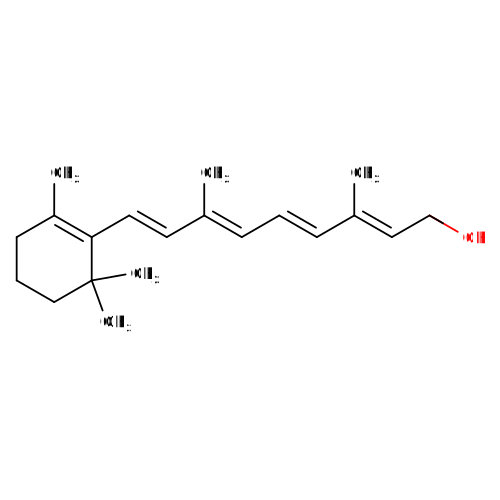
Vitamin a, also known as (13cis)-retinol, belongs to the class of organic compounds known as retinoids. These are oxygenated derivatives of 3,7-dimethyl-1-(2,6,6-trimethylcyclohex-1-enyl)nona-1,3,5,7-tetraene and derivatives thereof. Thus, vitamin a is considered to be an isoprenoid lipid molecule. Vitamin a is a very hydrophobic molecule, practically insoluble (in water), and relatively neutral. Vitamin a exists in all living organisms, ranging from bacteria to humans. Vitamin a participates in a number of enzymatic reactions, within cattle. In particular, Vitamin a and acetyl-CoA can be converted into retinyl ester through the action of the enzyme diacylglycerol O-acyltransferase 1. In addition, Vitamin a and acetyl-CoA can be converted into retinyl ester through the action of the enzyme acyl-CoA wax alcohol acyltransferase 1. In cattle, vitamin a is involved in the metabolic pathway called the retinol metabolism pathway. Vitamin a is a potentially toxic compound. Vitamin a has been found to be associated with several diseases known as pregnancy, hemodialysis, and thyroid cancer; also vitamin a has been linked to the inborn metabolic disorders including abetalipoproteinemia.
belongs to the class of organic compounds known as retinoids. These are oxygenated derivatives of 3,7-dimethyl-1-(2,6,6-trimethylcyclohex-1-enyl)nona-1,3,5,7-tetraene and derivatives thereof.
Fat tissue. Stores energy as triglycerides and releases fatty acids and hormones; in cattle it lies under the skin, around organs and as marbling within muscle.
In relation to human nutrition, milk and dairy products are one of the main sources of high-quality protein; vitamins A, D3, B1, B2, B6, and B12; and other micronutrients such as calcium, phosphorus, selenium, and potassium [3,4].
In particular, b-lactoglobulin has been associated with facilitating the absorption of vitamin A from milk [2] and potentially impacting enzyme activity [3].
It is a vital reservoir of protein, essential nutrients such as calcium, phosphorus, magnesium, zinc, iodine, and potassium, and essential vitamins including A, D, B12, and B2 [17].
Other milk fats include free fatty acids, cholesterol, mono and diacylglycerides, phospholipids, and fat soluble vitamins like vitamin A and E that acts as anti oxidants.[ 46 , 47 ]
For instance, bovine milk (hereafter referred to as milk) is highly nutritious17 and provides a large contribution to the global intake of vitamins A, B2, B5, and B12; phosphorus; potassium; and calcium.18
Milk is a nutritionally balanced source of fat-soluble vitamins such as A, D, and E, and water-soluble B-complex vitamins including B2 (riboflavin), B12, and folate.
Indeed, fat-soluble antioxidants (vitamins A and E) are transferred to milk via the blood; their decline during heat stress suggests that milk from heat-stressed cows likely contains lower levels of these nutritionally important antioxidants, thereby diminishing its nutritional value for consumers.
Cow s milk also provides calcium, phosphorus, potassium, trace elements (zinc, selenium, iron, and copper), and both fat-soluble (A, D, E, and K) and water-soluble vitamins (thiamin, riboflavin, and B12) [1,28].
Milk and dairy products constitute significant dietary sources of protein, fat, minerals, vitamins A and B, and other indispensable nutrients for humans.
More than 50 nutritional components were analyzed and they include 18 kinds of amino acids, 4 kinds of total fatty acids as well as 16 kinds of specific fatty acid profiles, mineral (K, Na, Ca, Mg, Fe, Zn, Se and P) and vitamin contents (vitamin A, vitamin B1, vitamin B2, Vitamin B3, vitamin B5, vitamin B12 and vitamin C).
Antioxidant capacity of milk and milk products is mainly due to sulfur containing amino acids, such as cysteine, phosphate, vitamins A, E, carotenoids, zinc, selenium, enzyme systems, superoxide dismutase, catalase, glutathione peroxidase, milk oligosaccharides and peptides that are produced during fermentation and cheese ripening.
Milk and dairy products are an important source of many essential nutrients as calcium, liposoluble vitamins (A, D, E and K) and carotenoids, bioactive peptides, essential FA, sphingolipids as well as other functional compounds with many benefits on health [24].
Antioxidant capacity of milk and milk products is mainly due to sulfur-rich amino acids, such as tyrosine and cysteine (Table-2) [55,56], Vitamins A and E, carotenoids, and enzyme systems such as superoxide dismutase (SOD), catalase, and glutathione peroxidase (GSHPx) [57].
Milk and milk products possess antioxidant potential which might be due to the presence of sulfur-containing amino acids, for example, methionine and cysteine, vitamins A and E, carotenoids, and antioxidative enzymes (superoxide dismutase, catalase and glutathione peroxidase), and appreciable amounts of a polyphenolic metabolite of daidzen [49].
Furthermore, bovine milk also provides micronutrients such as vitamins (A, D, B, C), minerals (calcium, magnesium, potassium) and trace elements (zinc, iodine, copper) [2].
The dairy group supplies many nutrients, including calcium, phosphorus, vitamin D, vitamin A, riboflavin, vitamin B12, protein and essential amino acids, potassium, zinc, choline, magnesium, and selenium [8].
Cow milk and its products are considered a valuable source of vitamins in the human diet, such as retinol (vitamin A), vitamin D3 (cholecalciferol), tocopherol (vitamin E), vitamin K2 (menaquinone), and b-carotene (provitamin A) [2,4,5,147,148,149,150].
Importantly, the nutrient-dense matrix of dairy milk can help achieve nutritional adequacy for several nutrients (namely, calcium, magnesium, phosphorous, vitamin A, vitamin B12, zinc, potassium, and choline).46
Milk is a source of many valuable nutrients, including calcium, vitamin B, an especially significant amount of vitamin B2 and fat-soluble vitamins, such as A, D and E.
Parameters measured were: the indexes of acute phase reaction, such as the positive acute phase protein haptoglobin and ceruloplasmin; the negative acute phase protein albumin, paraoxonase and the other index related to the negative acute phase protein reaction such as cholesterol, b-carotene, and vitamin A; bilirubin; the liver enzymes aspartate aminotransferase (AST or GOT) and g- glutamyl transpeptidase (GGT); minerals (calcium, magnesium, zinc, and phosphorous); creatinine; and vitamin E.
The authors reported that mineral and vitamin concentrations in plasma were unaffected by clay consumption and they attributed the negative effects of clay on efficiency parameters to the metabolism of aflatoxin.
The estimated importance of tretinoin, a commercial retinoic acid, indicate the importance of vitamin A for the transcriptional regulation of the liver, likely through PPAR [41].
Liver diseases, especially those that cause fibrosis and cirrhosis, are related to impaired vitamin A (retinol) homeostasis and/or vitamin A deficiency [37].
Vitamin A is required for the morphogenesis and development of mammary glands, as well as during weaning, when epithelial cell death is combined with tissue remodeling.
Written in the paper as “Vitamin A” and “mammary glands”
Dietary supplementation of anti-oxidants such as vitamins A and E can have beneficial effect on the health of mammary gland in dairy cattle (Erskine 1993).
Written in the paper as “vitamin A” and “mammary gland”
Fat tissue. Stores energy as triglycerides and releases fatty acids and hormones; in cattle it lies under the skin, around organs and as marbling within muscle.
The retinol metabolic pathway was also downregulated in the HC cows, with lower expression of RBP4 and TTR (encoding retinol binding protein and transthyretin, respectively), both of which act as retinol transporters in the blood.
Sulzberger et al. [51] showed that increasing the dose of clay (a mixture of vermiculite, nontronite, and montmorillonite) from 0.5 to 2 linearly reduced milk yield by lactating dairy cows for unknown reasons as no treatment differences in the concentrations of serum vitamin A, D and E and minerals were detected.
The tip of a toe of an ungulate mammal, strengthened by a thick horny (keratin) covering. The hoof consists of a hard or rubbery sole, and a hard wall formed by a thick nail rolled around the tip of the toe. The weight of the animal is normally borne by both the sole and the edge of the hoof wall. Hooves grow continuously, and are constantly worn down by use.
In the peripheral blood metabolites, PCA plots showed that the Early and Middle stage were most influenced by T-CHO, vitamin E, b-carotene, BUN, GGT, and Ca, and the Late stage was most affected by vitamin A and AST (principal components 1 + 2, explaining 50.7 of the variance; Fig 2C).
Written in the paper as “vitamin A” and “peripheral blood”
The study conducted by Franco-Lopez et al. (2020) highlights the significant contribution of ruminal microorganisms in the production of essential vitamins such as A, K, and B12 (Franco-Lopez et al., 2020).
Dietary supplementation with trace minerals (i.e., Cu, Zn and Se) and vitamins (i.e., vitamins E, A and b-carotene), probiotics, GM-derived metabolites, such as SCFA and AhR, or the consumption of a high dietary fiber diet play a remarkable role in the prevention of mastitis (Fig. 3A).
Written in the paper as “vitamin A” and “mastitis”
More recently, during field outbreaks of chronic nitrate toxicosis in cattle characterised by abortion, low fertility and thyroid enlargement, affected cows had a marked fall in both serum vitamin A and b carotene levels with respect to healthy individuals (Sezer et al., 2011).
Written in the paper as “vitamin A” and “chronic nitrate toxicosis”
A chronic disorder of the liver in which liver tissue becomes scarred and is partially replaced by regenerative nodules and fibrotic tissue resulting in loss of liver function.
Liver diseases, especially those that cause fibrosis and cirrhosis, are related to impaired vitamin A (retinol) homeostasis and/or vitamin A deficiency [37].
Written in the paper as “vitamin A” and “cirrhosis”
Liver diseases, especially those that cause fibrosis and cirrhosis, are related to impaired vitamin A (retinol) homeostasis and/or vitamin A deficiency [37].
Written in the paper as “vitamin A” and “fibrosis”
Nutritional deficiencies in protein and vitamin A (Guilbert, 1942) and phosphorous, (Tuff, 1923) have been linked to infertility in cows (Tuff, 1923; Guilbert, 1942).
Written in the paper as “vitamin A” and “infertility”
It has more recently been observed that cows with a history of nitrate related abortion exhibit a marked depression in blood total and free T4 as well as in blood b carotene and vitamin A levels; this provides further support to the involvement of thyroid dysfunction and compromised (pro) vitamin A status in the pathogenesis of nitrate mediated miscarriage (Sezer et al., 2011).
Written in the paper as “vitamin A” and “nitrate related abortion”
The series of events required for an organism to receive a visual stimulus, convert it to a molecular signal, and recognize and characterize the signal. Visual stimuli are detected in the form of photons and are processed to form an image.
Vitamin A is a fat-soluble vitamin crucial for maintaining normal growth and development, immune system function, vision, skin health, and reproduction [114].
Vitamin A, together with b-carotene (provitamin A), supports the differentiation, growth, and development of cells of the nervous and skeletal systems, vision, and foetal development.
Vitamin A is in the category of fat-soluble vitamins and its presence in the body is essential for the normal functioning of vision, growth and development, and the protection of epithelial tissue and mucosal integrity [19].
The cellular developmental process in which a relatively unspecialized cell, e.g. embryonic or regenerative cell, acquires specialized structural and/or functional features that characterize a specific cell. Differentiation includes the processes involved in commitment of a cell to a specific fate and its subsequent development to the mature state.
Select vitamins found in breast milk, include but are not limited to, vitamin A, which is involved in ocular function, bone development, and cell differentiation (Maia et al., 2019); thiamin (vitamin B-1), a coenzyme in carbohydrate metabolism; vitamin B-6, a cofactor for multiple enzymes involved in glycolysis and gluconeogenesis; folate, which is involved in DNA, RNA and protein biosynthesis, epigenetic regulation; and vitamin C which enhances antibody production and helps strengthen neonatal immunity (Dror Allen, 2018; Hampel et al., 2018).
Written in the paper as “vitamin A” and “cell differentiation”
Vitamin A encompasses a group of analogous fat-soluble vitamins that play ubiquitous roles in the human body, such as enhancing vision, cell differentiation, embryogenesis, reproduction, growth and immune system functioning [125].
Written in the paper as “Vitamin A” and “cell differentiation”
According to the results, vitamin A not only proliferates T lymphocytes (by increasing IL-2) but also enhances their differentiation, especially in regulatory T cells.
Written in the paper as “vitamin A” and “differentiation”
Vitamin A in breast milk is necessary for growth, differentiation, immunological functions, and bone remodeling in infants (Tanumihardjo et al., 2016).
Vitamin A encompasses a group of analogous fat-soluble vitamins that play ubiquitous roles in the human body, such as enhancing vision, cell differentiation, embryogenesis, reproduction, growth and immune system functioning [125].
The process whose specific outcome is the progression of bone over time, from its formation to the mature structure. Bone is the hard skeletal connective tissue consisting of both mineral and cellular components.
Select vitamins found in breast milk, include but are not limited to, vitamin A, which is involved in ocular function, bone development, and cell differentiation (Maia et al., 2019); thiamin (vitamin B-1), a coenzyme in carbohydrate metabolism; vitamin B-6, a cofactor for multiple enzymes involved in glycolysis and gluconeogenesis; folate, which is involved in DNA, RNA and protein biosynthesis, epigenetic regulation; and vitamin C which enhances antibody production and helps strengthen neonatal immunity (Dror Allen, 2018; Hampel et al., 2018).
Written in the paper as “vitamin A” and “bone development”
The process whose specific outcome is the progression of an embryo from its formation until the end of its embryonic life stage. The end of the embryonic stage is organism-specific. For example, for mammals, the process would begin with zygote formation and end with birth. For insects, the process would begin at zygote formation and end with larval hatching. For plant zygotic embryos, this would be from zygote formation to the end of seed dormancy. For plant vegetative embryos, this would be from the initial determination of the cell or group of cells to form an embryo until the point when the embryo becomes independent of the parent plant.
Vitamin A encompasses a group of analogous fat-soluble vitamins that play ubiquitous roles in the human body, such as enhancing vision, cell differentiation, embryogenesis, reproduction, growth and immune system functioning [125].
Written in the paper as “Vitamin A” and “embryogenesis”
Vitamin A, together with b-carotene (provitamin A), supports the differentiation, growth, and development of cells of the nervous and skeletal systems, vision, and foetal development.
Written in the paper as “vitamin A” and “foetal development”
This percentage of vitamin A supply through milk consumption can be considered and also convince us that the positive and significant effects of vitamin A on immune function can be observed through the consumption of cow s milk (Fig. 1).
Written in the paper as “vitamin A” and “immune function”
Any process involved in the development or functioning of the immune system, an organismal system for calibrated responses to potential internal or invasive threats.
Reports indicate that vitamin A has been used as a supplement to improve antibody response when used in vaccines such as tetanus, diphtheria, measles, influenza, rabies, and malaria in infants [72, 73].
Written in the paper as “vitamin A” and “antibody response”
Vitamin A is responsible for the appropriate functioning of the mucous membranes of the eyeball, digestive, respiratory and genitourinary systems and the course of the IgA-dependent response [62,63,64].
Written in the paper as “Vitamin A” and “IgA-dependent response”
A biological process that directly contributes to the process of producing new individuals by one or two organisms. The new individuals inherit some proportion of their genetic material from the parent or parents.
Vitamin A encompasses a group of analogous fat-soluble vitamins that play ubiquitous roles in the human body, such as enhancing vision, cell differentiation, embryogenesis, reproduction, growth and immune system functioning [125].
Written in the paper as “Vitamin A” and “reproduction”
Vitamin A is a fat-soluble vitamin crucial for maintaining normal growth and development, immune system function, vision, skin health, and reproduction [114].
Written in the paper as “Vitamin A” and “reproduction”
Vitamin A is involved in the development of the immune system, has a regulatory role in cellular immune regulation and humoral immune processes, and its use has been shown to have a therapeutic effect in the treatment of various infectious diseases [19].
Written in the paper as “vitamin A” and “humoral immune processes”
According to the results of an experiment, vitamin A and D supplements increased humoral immunity in pediatric patients after influenza vaccination [74].
Written in the paper as “vitamin A” and “humoral immunity”
Vitamin A also protects the resulting collagen against degeneration by stimulating the reconstruction of reticulin fibres and the formation of new blood vessels in the papillary layer of the dermis.
Written in the paper as “Vitamin A” and “formation of new blood vessels”
For example, increased retinol levels in follicular fluid promoted blastocyst formation but impaired attachment [13], while fatty acid supplementation affected the follicular environment and blastocyst production [14].
Written in the paper as “retinol” and “blastocyst formation”
The continuous turnover of bone matrix and mineral that involves first, an increase in resorption (osteoclastic activity) and later, reactive bone formation (osteoblastic activity). The process of bone remodeling takes place in the adult skeleton at discrete foci. The process ensures the mechanical integrity of the skeleton throughout life and plays an important role in calcium homeostasis. An imbalance in the regulation of bone resorption and bone formation results in many of the metabolic bone diseases, such as osteoporosis.
Vitamin A in breast milk is necessary for growth, differentiation, immunological functions, and bone remodeling in infants (Tanumihardjo et al., 2016).
Written in the paper as “vitamin A” and “bone remodeling”
The cellular developmental process in which a specific cell progresses from an immature to a mature state. Cell development start once cell commitment has taken place.
The process resulting in division and partitioning of components of a cell to form more cells; may or may not be accompanied by the physical separation of a cell into distinct, individually membrane-bounded daughter cells.
Vitamin A is involved in the development of the immune system, has a regulatory role in cellular immune regulation and humoral immune processes, and its use has been shown to have a therapeutic effect in the treatment of various infectious diseases [19].
Written in the paper as “vitamin A” and “cellular immune regulation”
Whilst RBP4 has been identified in bovine ULF37, further research is required to elucidate the roles of retinol and RBPs in ruminant maternal-embryo communication; not least as retinol inhibits activator protein 1 binding to the cyclic AMP response element of the COX-2 promoter, in turn, inhibiting COX-2 transcription, and reducing prostaglandin synthesis41.
Written in the paper as “Retinol” and “cyclooxygenase-2 transcription”
Involved in
differentiation, growth, and development of cells of the nervous and skeletal systems
Vitamin A, together with b-carotene (provitamin A), supports the differentiation, growth, and development of cells of the nervous and skeletal systems, vision, and foetal development.
Written in the paper as “vitamin A” and “differentiation, growth, and development of cells of the nervous and skeletal systems”
For example, increased retinol levels in follicular fluid promoted blastocyst formation but impaired attachment [13], while fatty acid supplementation affected the follicular environment and blastocyst production [14].
Written in the paper as “retinol” and “attachment”
Vitamin A encompasses a group of analogous fat-soluble vitamins that play ubiquitous roles in the human body, such as enhancing vision, cell differentiation, embryogenesis, reproduction, growth and immune system functioning [125].
Written in the paper as “Vitamin A” and “enhancing vision”
Vitamin A is particularly important during both human and animal growth periods as it is responsible for the body s normal development and immune activity by supporting epithelial barrier function.
Written in the paper as “Vitamin A” and “epithelial barrier function”
Vitamin A is required for the morphogenesis and development of mammary glands, as well as during weaning, when epithelial cell death is combined with tissue remodeling.
Written in the paper as “Vitamin A” and “epithelial cell death”
Vitamin A is in the category of fat-soluble vitamins and its presence in the body is essential for the normal functioning of vision, growth and development, and the protection of epithelial tissue and mucosal integrity [19].
Written in the paper as “Vitamin A” and “protection of epithelial tissue and mucosal integrity”
A process that is carried out at the cellular level which results in the assembly, arrangement of constituent parts, or disassembly of an extracellular matrix.
The chemical reactions and pathways resulting in the formation of a fatty acid, any of the aliphatic monocarboxylic acids that can be liberated by hydrolysis from naturally occurring fats and oils. Fatty acids are predominantly straight-chain acids of 4 to 24 carbon atoms, which may be saturated or unsaturated; branched fatty acids and hydroxy fatty acids also occur, and very long chain acids of over 30 carbons are found in waxes.
Vitamin A is in the category of fat-soluble vitamins and its presence in the body is essential for the normal functioning of vision, growth and development, and the protection of epithelial tissue and mucosal integrity [19].
Written in the paper as “Vitamin A” and “growth and development”
Involved in
homing of lymphocytes to the upper respiratory tract
According to a study, vitamin A in cow s milk also can affect the homing of lymphocytes to the upper respiratory tract by expression of the tissue homing-associated marker a4b7 on lymphocytes in humans [39].
Written in the paper as “vitamin A” and “homing of lymphocytes to the upper respiratory tract”
Vitamin A is particularly important during both human and animal growth periods as it is responsible for the body s normal development and immune activity by supporting epithelial barrier function.
Written in the paper as “Vitamin A” and “immune activity”
Vitamin A is a fat-soluble vitamin crucial for maintaining normal growth and development, immune system function, vision, skin health, and reproduction [114].
Written in the paper as “Vitamin A” and “immune system function”
Vitamin A encompasses a group of analogous fat-soluble vitamins that play ubiquitous roles in the human body, such as enhancing vision, cell differentiation, embryogenesis, reproduction, growth and immune system functioning [125].
Written in the paper as “Vitamin A” and “immune system functioning”
Vitamin A in breast milk is necessary for growth, differentiation, immunological functions, and bone remodeling in infants (Tanumihardjo et al., 2016).
Written in the paper as “vitamin A” and “immunological functions”
The immediate defensive reaction (by vertebrate tissue) to infection or injury caused by chemical or physical agents. The process is characterized by local vasodilation, extravasation of plasma into intercellular spaces and accumulation of white blood cells and macrophages.
Particularly, A. arborescens homogenate supplementation during transition period resulted in lower plasma concentrations of NEFA, b-hydroxybutyrate (as markers of reduced lipid mobilization), myeloperoxidase, and ceruloplasmin, and higher concentrations of cholesterol, retinol, tocopherol, and paraoxonase (as markers of mitigated inflammatory response at calving), also paired with lower plasma concentrations of creatinine and bilirubin (indicating an improved kidney and liver function)17.
Written in the paper as “retinol” and “inflammatory response”
During the fattening period, the cattle are generally fed a high-grain diets containing low levels of vitamin A, to induce greater intramuscular fat deposition, leading to highly marbled meat, although hypovitaminosis A may be related to the occurrence of hepatic disorders12.
Written in the paper as “vitamin A” and “intramuscular fat deposition”
The chemical reactions and pathways resulting in the formation of L-phenylalanine, the L-enantiomer of 2-amino-3-phenylpropanoic acid, i.e. (2S)-2-amino-3-phenylpropanoic acid.
Our results revealed that a two times amount of vitamin A supplementation (25,000 IU/day) downregulated phenylalanine, tyrosine, and tryptophan biosynthesis and linoleic acid metabolism in the serum.
Written in the paper as “vitamin A” and “phenylalanine biosynthesis”
The chemical reactions and pathways resulting in the formation of L-tryptophan, the chiral amino acid 2-amino-3-(1H-indol-3-yl)propanoic acid; L-tryptophan is synthesized from chorismate via anthranilate.
Our results revealed that a two times amount of vitamin A supplementation (25,000 IU/day) downregulated phenylalanine, tyrosine, and tryptophan biosynthesis and linoleic acid metabolism in the serum.
Written in the paper as “vitamin A” and “tryptophan biosynthesis”
Our results revealed that a two times amount of vitamin A supplementation (25,000 IU/day) downregulated phenylalanine, tyrosine, and tryptophan biosynthesis and linoleic acid metabolism in the serum.
Written in the paper as “vitamin A” and “tyrosine biosynthesis”
Our results revealed that a two times amount of vitamin A supplementation (25,000 IU/day) downregulated phenylalanine, tyrosine, and tryptophan biosynthesis and linoleic acid metabolism in the serum.
Written in the paper as “vitamin A” and “linoleic acid metabolism”
The chemical reactions and pathways involving lipids, compounds soluble in an organic solvent but not, or sparingly, in an aqueous solvent. Includes fatty acids; neutral fats, other fatty-acid esters, and soaps; long-chain (fatty) alcohols and waxes; sphingoids and other long-chain bases; glycolipids, phospholipids and sphingolipids; and carotenes, polyprenols, sterols, terpenes and other isoprenoids.
It is considered an important vitamin for maintaining normal vision and is involved in inhibiting the spread of cancer through its antioxidant properties [46,47].
Written in the paper as “Vitamin A” and “maintaining normal vision”
The process whose specific outcome is the progression of the mammary gland over time, from its formation to the mature structure. The mammary gland is a large compound sebaceous gland that in female mammals is modified to secrete milk. Its development starts with the formation of the mammary line and ends as the mature gland cycles between nursing and weaning stages.
Vitamin A is required for the morphogenesis and development of mammary glands, as well as during weaning, when epithelial cell death is combined with tissue remodeling.
Written in the paper as “Vitamin A” and “morphogenesis and development of mammary glands”
The process whose specific outcome is the progression of the muscle over time, from its formation to the mature structure. The muscle is an organ consisting of a tissue made up of various elongated cells that are specialized to contract and thus to produce movement and mechanical work.
In addition, another study showed that vitamin A treatment promoted muscle development by inducing myogenic markers and increased the oxidative muscle fibers in two months old calves9.
Written in the paper as “vitamin A” and “muscle development”
Parameters measured were: the indexes of acute phase reaction, such as the positive acute phase protein haptoglobin and ceruloplasmin; the negative acute phase protein albumin, paraoxonase and the other index related to the negative acute phase protein reaction such as cholesterol, b-carotene, and vitamin A; bilirubin; the liver enzymes aspartate aminotransferase (AST or GOT) and g- glutamyl transpeptidase (GGT); minerals (calcium, magnesium, zinc, and phosphorous); creatinine; and vitamin E.
Written in the paper as “vitamin A” and “negative acute phase protein reaction”
Vitamin A is particularly important during both human and animal growth periods as it is responsible for the body s normal development and immune activity by supporting epithelial barrier function.
Written in the paper as “Vitamin A” and “normal development”
Vitamin A is a fat-soluble vitamin crucial for maintaining normal growth and development, immune system function, vision, skin health, and reproduction [114].
Written in the paper as “Vitamin A” and “normal growth and development”
Select vitamins found in breast milk, include but are not limited to, vitamin A, which is involved in ocular function, bone development, and cell differentiation (Maia et al., 2019); thiamin (vitamin B-1), a coenzyme in carbohydrate metabolism; vitamin B-6, a cofactor for multiple enzymes involved in glycolysis and gluconeogenesis; folate, which is involved in DNA, RNA and protein biosynthesis, epigenetic regulation; and vitamin C which enhances antibody production and helps strengthen neonatal immunity (Dror Allen, 2018; Hampel et al., 2018).
Written in the paper as “vitamin A” and “ocular function”
It has more recently been observed that cows with a history of nitrate related abortion exhibit a marked depression in blood total and free T4 as well as in blood b carotene and vitamin A levels; this provides further support to the involvement of thyroid dysfunction and compromised (pro) vitamin A status in the pathogenesis of nitrate mediated miscarriage (Sezer et al., 2011).
Written in the paper as “vitamin A” and “pathogenesis of nitrate mediated miscarriage”
Vitamin A and E are regarded as primary lipid soluble antioxidants and main job of these vitamins is to protect the polyunsaturated fatty acids and associated bio-chemical compounds from peroxidation (Table 4).
Written in the paper as “Vitamin A” and “peroxidation”
A nuclear receptor-mediated signaling pathway initiated by a ligand binding to an intracellular peroxisome proliferator activated receptor (alpha, beta or gamma) of the nuclear receptor protein family, and ending with regulation of a downstream cellular process, e.g. transcription.
The process whose specific outcome is the progression of the placenta over time, from its formation to the mature structure. The placenta is an organ of metabolic interchange between fetus and mother, partly of embryonic origin and partly of maternal origin.
The results of the review in this study show that micronutrients such as vitamins D, E, B, C, and A as well as minerals Zn, Cu, Mg, I, and Se and bioactive peptides, each can have positive and significant effects on strengthening the immune system and general health in humans.
Written in the paper as “vitamin A” and “strengthening the immune system”
The chemical reactions and pathways resulting in the formation of prostaglandins, any of a group of biologically active metabolites which contain a cyclopentane ring.
Whilst RBP4 has been identified in bovine ULF37, further research is required to elucidate the roles of retinol and RBPs in ruminant maternal-embryo communication; not least as retinol inhibits activator protein 1 binding to the cyclic AMP response element of the COX-2 promoter, in turn, inhibiting COX-2 transcription, and reducing prostaglandin synthesis41.
Written in the paper as “Retinol” and “prostaglandin synthesis”
Alpsoy et al. [135] revealed that 1560 ug/L of aflatoxin reduced the glutathione (an antioxidant) level and superoxide dismutase activity of human lymphocytes, and adding vitamin A, C, or E restored the levels to the normal range by inhibiting ROS generation.
Written in the paper as “vitamin A” and “reactive oxygen species generation”
Vitamin A also protects the resulting collagen against degeneration by stimulating the reconstruction of reticulin fibres and the formation of new blood vessels in the papillary layer of the dermis.
Written in the paper as “Vitamin A” and “reconstruction of reticulin fibres”
Involved in
regulation of epithelial cell differentiation GO:0030856
Any process that modulates the frequency, rate or extent of epithelial cell differentiation.
Vitamin A is a fat-soluble vitamin crucial for maintaining normal growth and development, immune system function, vision, skin health, and reproduction [114].
Written in the paper as “Vitamin A” and “skin health”
The developmental process by which male germ line stem cells self renew or give rise to successive cell types resulting in the development of a spermatozoa.
Vitamin A prevents night blindness (deterioration of vision after dark), improves visual acuity and aids in the treatment of many eye diseases (participates in the synthesis of pigments in the retina of the eye).
Written in the paper as “vitamin A” and “synthesis of pigments in the retina of the eye”
The reorganization or renovation of existing tissues. This process can either change the characteristics of a tissue such as in blood vessel remodeling, or result in the dynamic equilibrium of a tissue such as in bone remodeling.
Vitamin A is required for the morphogenesis and development of mammary glands, as well as during weaning, when epithelial cell death is combined with tissue remodeling.
Written in the paper as “Vitamin A” and “tissue remodeling”
The estimated importance of tretinoin, a commercial retinoic acid, indicate the importance of vitamin A for the transcriptional regulation of the liver, likely through PPAR [41].
Written in the paper as “vitamin A” and “transcriptional regulation of the liver”
An interesting relationship was highlighted between vitamin D3 content and the genetic polymorphism of b-lactoglobulin (b-LG), the main whey protein of cow's milk which is involved in the transport of small hydrophobic molecules such as retinol and vitamin D [27].
Written in the paper as “retinol” and “transport of small hydrophobic molecules”
An inflammatory response driven by antigen recognition by antibodies bound to Fc receptors on mast cells or basophils, occurring within minutes after exposure of a sensitized individual to the antigen, and leading to the release of a variety of inflammatory mediators such as histamines.
For the protein BLG, our research group was able to show that together with its ligands like iron-siderophores, vitamin A and D, or zinc, can protect against allergic immune reactions [20, 21, 22, 23, 24, 25].
Written in the paper as “vitamin A” and “allergic immune reactions”
The chemical reactions and pathways resulting in the formation of any of the vitamin A compounds, retinol, retinal (retinaldehyde) and retinoic acid. Animals cannot synthesize vitamin A de novo, but form it through oxidative cleavage of carotenoids.
The chemical reactions and pathways involving any of the vitamin A compounds, retinol, retinal (retinaldehyde) and retinoic acid, all of which are derivatives of beta-carotene.
Plasma PLS-DA loadings were metabolites primarily involved in Vitamin A (retinol), amino acid (e.g., tryptophan, tyrosine), butanoate, and arachidonic acid metabolism (throughout the trial), glutathione metabolism (early in the trial [Day 1-2]), biopterin and energy related metabolism (e.g., TCA cycle; late in the trial [Day 12-26]).
Written in the paper as “Vitamin A” and “Vitamin A (retinol) metabolism”
The chemical reactions and pathways resulting in the formation of a vitamin, one of a number of unrelated organic substances that occur in many foods in small amounts and that are necessary in trace amounts for the normal metabolic functioning of the body.
The study conducted by Franco-Lopez et al. (2020) highlights the significant contribution of ruminal microorganisms in the production of essential vitamins such as A, K, and B12 (Franco-Lopez et al., 2020).
Written in the paper as “vitamin A” and “production of essential vitamins”
Research conducted by Kruk and colleagues showed that restricting the intake of vitamin A in Angus steers promoted the deposition of IMF, primarily through the increased hyperplasia of adipocytes [118].
Written in the paper as “Vitamin A” and “Intramuscular fat”
For instance, in Wagyu [115], Holstein [116], and Angus cattle [117], vitamin A, either as a dietary supplement or in the form of injections, is inversely correlated with the IMF content.
Written in the paper as “Vitamin A” and “Intramuscular fat content”
A recent review emphasises castration, digestion and absorption of feed, glucose availability and vitamin A, D and C levels as important factors in marbling development [13].
Written in the paper as “vitamin A” and “marbling”
During the fattening period, the cattle are generally fed a high-grain diets containing low levels of vitamin A, to induce greater intramuscular fat deposition, leading to highly marbled meat, although hypovitaminosis A may be related to the occurrence of hepatic disorders12.
Written in the paper as “vitamin A” and “marbled meat”
As a result, the vitamin A treated group showed a higher level of Zinc finger protein 423 (Zfp423) gene expression level, which related to preadipocyte development, as well as increase the marbling score in the final carcass traits8.
Written in the paper as “vitamin A” and “marbling score”
During the fattening period, the cattle are generally fed a high-grain diets containing low levels of vitamin A, to induce greater intramuscular fat deposition, leading to highly marbled meat, although hypovitaminosis A may be related to the occurrence of hepatic disorders12.
Written in the paper as “vitamin A” and “intramuscular fat”
Moreover, our previous study has shown that vitamin A supplementation from late pregnancy to two months old calf could increase postnatal body weight and expression of genes related to preadipocyte development and muscle development (unpublished).
Written in the paper as “vitamin A” and “body weight”
Lactation performance variables, such as DMI, milk yield, and the yields of milk components (i.e., fat, protein, and lactose), were negatively correlated with retinol, glutamine, leucine, 2-methylbutiric acid, capric acid, and myristic acid (Table 3, p < 0.01).
Written in the paper as “retinol” and “dry matter intake”
Moderate restriction of vitamin A intake was observed to help improve the marble pattern score of muscle, which may be related to the regulation of vitamin A on adipocyte differentiation.
Written in the paper as “vitamin A” and “marble pattern score”
Lactation performance variables, such as DMI, milk yield, and the yields of milk components (i.e., fat, protein, and lactose), were negatively correlated with retinol, glutamine, leucine, 2-methylbutiric acid, capric acid, and myristic acid (Table 3, p < 0.01).
Lactation performance variables, such as DMI, milk yield, and the yields of milk components (i.e., fat, protein, and lactose), were negatively correlated with retinol, glutamine, leucine, 2-methylbutiric acid, capric acid, and myristic acid (Table 3, p < 0.01).
Lactation performance variables, such as DMI, milk yield, and the yields of milk components (i.e., fat, protein, and lactose), were negatively correlated with retinol, glutamine, leucine, 2-methylbutiric acid, capric acid, and myristic acid (Table 3, p < 0.01).
Written in the paper as “retinol” and “milk yield”
Supplementation with selenium and vitamins A, D, and E improved the implantation ability and reproductive parameters in heifers undergoing embryo transfer.149
Written in the paper as “vitamin A” and “reproductive parameters”
Premix contained (per kg of premix): 420,000 IU of vitamin A, 110,000 IU of vitamin D3, 4,200 IU of vitamin E, 2620 mg of Fe, 155 g of Ca, 30 g of P, 820 mg of Cu, 1,800 mg of Mn, 3,500 mg of Zn, 30 mg of I, 35 mg of Se, and 22 mg of Co.
aPremix provided the following per kg of the diet: Fe 400 mg, Cu 600 mg, Zn 400 mg, Mn 20 mg, Se 10 mg, Co 10 mg, vitamin A 350 000 IU, vitamin D 300 000 IU, vitamin E 5000 IU
1Per kg premix contained the following: 4 g of calcium; 5.5 g of phosphorus; 2 g of sodium; 4 g of magnesium; 40,000 IU, of vitamin A; 37,000 IU, of vitamin D; 500 IU, of vitamin E; 30 mg of copper; 25 mg of iron; 140 mg of manganese; 140 mg of zinc; 0.8 mg of selenium.
1Premix provided the following per kg of the diet:50 g Mg, 2.5 g Fe, 0.4 g Cu, 2 g Mn, 1.5 g Zn, 10 mg Se, 25 mg I, 5 mg Co, 500,000 IU vitamin A, 25,000 IU vitamin D, 2500 IU vitamin D.2
Premix provided the following per kg of concentrate: vitamin A, 30150 IU; vitamin D, 9675 IU; vitamin E, 76.5 mg; Fe, 132 mg; Cu, 26 mg; Mn, 118.30 mg; Zn, 166 mg; Se, 0.07 mg; I, 0.11 mg; Co, 0.03 mg; Ca, 6.76 g; P, 0.68 gcMetabolizable energy was calculated according to the Nutrient Requirements of Dairy Cattle (NRC, 2001)dCP, Crude protein; NDF, Neutral detergent fiber; ADF, Acid detergent fiber
Each kilogram contained 1800 mg Fe, 350 mg Cu, 2160 mg Mn, 2660 mg Zn, 14 mg Se, 21 mg I, 18 mg Co, 180 000 IU vitamin A, 45 000 IU vitamin D and 2150 IU vitamin E
Per kg of premix included the following: VitA 200 000 IU, VitD3 25 000 IU, VitE 4 000 IU, Fe 3,500 mg, Mn 2000 mg, Zn 1,500 mg, Cu 550 mg, I 30 mg, Se 15 mg, Co 15 mg, Ca 150 g, P 60 g.
AbFormulated to provide (per kg of DM) 4,560 mg of Cu, 3,000 mg of Fe, 12,100 mg of Zn, 4,590 mg of Mn, 60 mg of Co, 200 mg of Se, 270 mg of I, 10,000 IU of vitamin E, 450,000 IU of vitamin D, 2,000,000 IU of vitamin A, and 3,000 mg of nicotinic acidcChemical composition based on chemical analysis of the total mixed ration (TMR), as described
The premix (per kg of diet) is: 80000 IU of vitamin A, 20000 IU of vitamin D3, 280 mg of vitamin E, 4100 mg of Fe, 1100 mg of Mn, 800 mg of Zn, 265 mg of Cu, 120 g of Ca and 35 g of P
The premix was provided following as per kilogram: vitamin A 3,000,000 IU, vitamin D 375,000 IU, vitamin E 220 IU, biotin 12 mg, Cu 1 200 mg, Fe 3 000 mg, Mn 2 000 mg, Zn 4 000 mg, I 15 mg, Se 20 mg.
Written in the paper as “vitamin A” and “Commercial premix”
Is component of
38120 - combination of vitamin and mineral only supplements (efsa foodex2) FOODON:03543812
The group includes all supplements based only on formulations including both minerals (normally salts of different chemical elements) and vitamins. If relevant, all the characterising ingredients should be reported with additional facet descriptors. The part consumed/analysed is by default the whole marketed unit or a homogeneous representative portion.[https://en.wikipedia.org/wiki/Dietary_supplement] and [https://www.google.co.uk/search?tbm=isch&q=multi vitamin and mineral supplements]
Contains per kilogram premix: 10,000,000 IU vitamin A; 70,000 IU vitamin E; 1,600,000 IU vitamin D; 50 g iron; 40 g zinc; 40 g manganese; 0.1 g cobalt; 10 g copper; 0.1 g selenium; 0.5 g iodine.
Written in the paper as “vitamin A” and “Mineral and vitamins”
Provided per kilogram of diet: vitamin A 400,000 IU, vitamin E 100,000 IU, vitamin D3 1000 mg, I 200mg, Se 25mg, Co 60mg, Cu 1500mg, Zn 6000mg, and Mn 5500 mg.
Written in the paper as “vitamin A” and “Vitamin and minerals premix”
The vitamin + mineral mix contained 21 Ca, 0.01 P, 21 NaCl, 0.20 K, 0.10 Mg, 0.045 Cu, 0.001 Se, 0.280 Zn, 220,000 IU/kg of vitamin A, 19,800 IU/kg of vitamin D3, and 3,500 IU/kg of vitamin E (Anipro Xtraperformance Feeds, College Station, TX).
Written in the paper as “vitamin A” and “vitamin + mineral mix”
Vitamin mineral premix: Vit. A 1,000,000 IU; Vit. D3 100,000 IU ; Vit E 25,000 mg ; I 150 mg; Co 150 mg; Cu 2500 mg; Fe 6250 mg; Mn 16,000 mg; Zn 10,000 mg; Se 150 mg.
Written in the paper as “Vit. A” and “Vitamin mineral premix”
Every kilogram of mineral-vitamin premix contained the following: 3500 IU Vitamin A, 3000 IU Vitamin D3, 45 IU Vitamin E, 63 mg Zn, 60 mg Fe, 98.6 mg Mn, 20 mg Cu, 1.1 mg I, 0.50 mg Se, and 0.45 mg Co.
Written in the paper as “Vitamin A” and “mineral-vitamin premix”
In addition, each kilogram of milk replacer was enriched with 25,000 IU Vitamin A, 5.000 IU Vitamin D3, 300 mg of Vitamin E, 0.3 mg of selenium, 10 mg of copper and 90 mg of iron.
Written in the paper as “Vitamin A” and “milk replacer”
A previous study17 reported that the milk replacer with supplemental vitamin A at 44,000 IU/kg of DM caused an increased vitamin A deposition in the liver, without showing symptoms of toxicity in Holstein calves.
Written in the paper as “vitamin A” and “milk replacer”
Dry cow premix: 1 kg of premix included vitamin A 918,750 IU, vitamin D3 253,125 IU, vitamin E 8,066 mg, niacin 6,650 mg, Ca 35 g, P 20 g, Cu 1146 mg, Mn 4248 mg, Zn 5362 mg, I 45 mg, Se 36 mg.
Written in the paper as “vitamin A” and “Dry cow premix”
7Premix P2, SALVANA Rinderstolz 9848 GF 600 (SALVANA Tiernahrung GmbH) containing (per kg): 336 g RaPass, 334 g calcium salts of palm oil fatty acids, 87 g calcium carbonate, 86 g sodium chloride, 56 g monocalciumphosphat, 30 g magnesiumoxid, 12 g sugar beet molasses,190,000 IU vitamin A, 19,000 IU vitamin D3, 1,500 mg vitamin E, 288 mg Cu as CuSO4x5H2O, 72 mg Cu as Cu2(OH)3Cl, 1,100 mg Zn as ZnO, 300 mg Zn as ZnCl(OH)xH2O, 100 mg Zn as glycin zinc chelate hydrate, 1,140 mg Mn as MgO2, 14 mg I as Ca(IO3)2, 6 mg Se as Na2SeO3, 4 mg Se as rumen-protected Na2SeO3, 9 mg Co as CoCO3xH2O, and 33 x 109 KBE Saccharomyces cerevisiae
Written in the paper as “vitamin A” and “SALVANA Rinderstolz 9848 GF 600”
Fresh pasture as a plant material (e.g., perennial ryegrass, white and red clover) is a good source of various vitamins and antioxidants that are transferred through complex digestive processes to the mammary gland and then to milk, which explains the higher content of compounds such as b-carotene, terpenes, lutein, Vitamins A (retinol), E (tocopherol), and phytol (a derivative of chlorophyll) in pasture milk compared to TMR milk [81,89,103,139,162,163,164,165].
Written in the paper as “Vitamins A” and “pasture”
The TMR formulations were consistent in their core components: Forage base: primarily whole-plant corn silage (40-50 DM) supplemented with alfalfa hay (15-20 DM) to meet fiber and protein requirements. Concentrate mix: included ground corn, soybean meal, cottonseed meal, whole cottonseeds, and beet pulp for energy, protein, and rumen health optimization. Additives: Energy supplements: Rumen-protected fat (1-2 DM). Mineral-vitamin premix: Contained organic trace minerals (Se, Zn, Cu) and vitamins (A, D, E). Functional additives: DDGS (Distillers Dried Grains with Solubles); sodium bicarbonate (summer, 0.5 DM); mycotoxin adsorbents; and buffering agents.
Written in the paper as “vitamin A” and “total mixed ration”
Oilseeds from the plant classified under the species Cannabis sativa L. subs. sativa, commonly known as Hemp seeds. The part consumed/analysed is not specified. When relevant, information on the part consumed/analysed has to be reported with additional facet descriptors. In case of data collections related to legislations, the default part consumed/analysed is the one defined in the applicable legislation.[https://en.wikipedia.org/wiki/Cannabis_sativa] and [https://www.google.co.uk/search?tbm=isch&q=Hemp seeds]
Hemp seeds are also rich in healthy lipids with a high content of polyunsaturated fatty acids, such as linoleic acid (n-6), a-linolenic acid (n-3) and some vitamins (vitamins E, D and A) [37].
Written in the paper as “vitamin A” and “Hemp seeds”
Is component of
38090 - vitamin and mineral supplements (efsa foodex2) FOODON:03543809
The group includes any type of supplements based on vitamins and minerals, excluding those claimed for sporting people and the carbohydrate-electrolyte solutions, addressed by a specific group. The part consumed/analysed is by default the whole marketed unit or a homogeneous representative portion.[https://en.wikipedia.org/wiki/Dietary_supplement] and [https://www.google.co.uk/search?tbm=isch&q=Vitamin and mineral supplements]
Food material which can be used to meet nutritional requirements of animals, particularly livestock such as cattle, goats, sheep, horses, chickens and pigs.
Per 1 kg of premix contained 12,000 IU of vitamin A, 3,500 IU of vitamin D3, 40 mg of vitamin E, 3,139 mg of Mn, 4,550 mg of Zn, 1,729 mg of Cu, 1.82 mg of I, 2,197 mg of Fe, 0.62 mg of Se, and 0.04 mg of Co
Written in the paper as “vitamin A” and “basal diet”
Optimal nutrition and feeding management are crucial, as a diet balanced in carbohydrates, proteins, fats, minerals (notably calcium, phosphorus and magnesium), and vitamins (A, D and E), supports high milk production, improves milk composition and helps to prevent metabolic disorders like ketosis, acidosis, hypocalcemia, and cow health around calving ( Caixeta Omontese, 2021; Tsermoula et al., 2025; Tufarelli et al., 2024).
A physiological role played by any substance of either plant, animal or artificial origin which contains essential body nutrients that can be ingested by an organism to provide energy, promote growth, and maintain the processes of life.
Typical exogenous antioxidants supplied with food or in specially formulated supplements are: vitamins A, C, and E, and carotenoids (a- and b-carotene).
Forage is a plant material (mainly plant leaves and stems) eaten by grazing livestock. Historically, the term forage has meant only plants eaten by the animals directly as pasture, crop residue, or immature cereal crops, but it is also used more loosely to include similar plants cut for fodder and carried to the animals, especially as hay or silage.
Japanese Black cattle, a purebred Japanese breed, are usually fed a large amount of high concentrate diet in a unique feeding system that increases the consumption of concentrate and decreases roughage (rice straw) to maintain a low peripheral vitamin A concentration during the middle to late fattening period [6, 16].
Written in the paper as “vitamin A” and “high concentrate diet”
Milking cow premix: 1 kg of premix included vitamin A 440,000 IU, vitamin D3 110,000 IU, vitamin E 4000 IU, niacin 400 mg, Ca 152 g, P 41 g, Cu 750 mg, Mn 1140 mg, Zn 2970 mg, I 30 mg, Se 24 mg.
Written in the paper as “vitamin A” and “Milking cow premix”
Vitamin premix: Vit A (IU) = 1,150,000, Vit D3 (IU) = 80,000, Vit E (IU) = 6700, Vit B1(ppm) = 880, Vit B2 (ppm) = 850, Vit B3 (ppm) = 1740, Vit B5 (ppm) = 1346, Vit B6 (ppm) = 873, Vit B9 (ppm) = 77, Vit B12 (ppm) = 9.3, Vit C (ppm) = 16,500, Biotin (ppm) = 13.5, Choline (ppm) = 7500.
Written in the paper as “Vit A” and “Vitamin premix”
Brodziak et al. [2], in a study on the Simmental breed, obtained the highest vitamin A levels in milk produced in systems based on pasture fodder (on average 0.468 mg/L in the organic system and 0.443 mg/L in the traditional one).
Written in the paper as “vitamin A” and “pasture fodder”
7Premix P2, SALVANA Rinderstolz 9848 GF 600 (SALVANA Tiernahrung GmbH) containing (per kg): 336 g RaPass, 334 g calcium salts of palm oil fatty acids, 87 g calcium carbonate, 86 g sodium chloride, 56 g monocalciumphosphat, 30 g magnesiumoxid, 12 g sugar beet molasses,190,000 IU vitamin A, 19,000 IU vitamin D3, 1,500 mg vitamin E, 288 mg Cu as CuSO4x5H2O, 72 mg Cu as Cu2(OH)3Cl, 1,100 mg Zn as ZnO, 300 mg Zn as ZnCl(OH)xH2O, 100 mg Zn as glycin zinc chelate hydrate, 1,140 mg Mn as MgO2, 14 mg I as Ca(IO3)2, 6 mg Se as Na2SeO3, 4 mg Se as rumen-protected Na2SeO3, 9 mg Co as CoCO3xH2O, and 33 x 109 KBE Saccharomyces cerevisiae
Written in the paper as “vitamin A” and “Premix P2”
The vitamin-trace mineral premix was formulated to contain the following (perkilogram of premix): vitamin A, 600 KIU; vitamin D3, 150 KIU; vitamin E, 5 KIU; niacin, 2 g; Ca, 176.5 g; P, 85 g; Zn, 2480 mg; Mn, 2260 mg; Cu, 955.5 mg; I, 45 mg; Se, 30 mg.
Written in the paper as “vitamin A” and “vitamin-trace mineral premix”
It is considered an important vitamin for maintaining normal vision and is involved in inhibiting the spread of cancer through its antioxidant properties [46,47].
Written in the paper as “Vitamin A” and “antioxidant”
Other milk fats include free fatty acids, cholesterol, mono and diacylglycerides, phospholipids, and fat soluble vitamins like vitamin A and E that acts as anti oxidants.[ 46 , 47 ]
Written in the paper as “vitamin A” and “anti oxidants”
Supplements fed through the diet (vitamin E, vitamin C, carotene, and trace elements such as selenium, zinc or b-flavonoids, vitamin A, and manganese fundamental chain of enzymatic antioxidants ) have been proven useful to reduce the occurrence of udder infections and improve the quality of their production, in terms of fat, protein, and somatic cell count [5, 11], giving to the product an added value as a source of antioxidants for the human diet, with beneficial effects in the gastrointestinal tract and other tissues [8].
Written in the paper as “vitamin A” and “antioxidants”
Typical exogenous antioxidants supplied with food or in specially formulated supplements are: vitamins A, C, and E, and carotenoids (a- and b-carotene).
Written in the paper as “vitamin A” and “antioxidant”
Antioxidant capacity of milk and milk products is mainly due to sulfur containing amino acids, such as cysteine, phosphate, vitamins A, E, carotenoids, zinc, selenium, enzyme systems, superoxide dismutase, catalase, glutathione peroxidase, milk oligosaccharides and peptides that are produced during fermentation and cheese ripening.
Written in the paper as “vitamin A” and “antioxidants”
The endogenous antioxidant molecules are GSH, uric acid, ferritin, coenzyme Q, bilirubin, alpha lipoic acid, L-carnitine, and melatonin [148], while ascorbic acid (Vitamin C), retinoic acid (Vitamin A), and a-tocopherol (Vitamin E) are some of the familiar examples of antioxidant molecules taken from exogenous sources present in milk [149,150].
Written in the paper as “Vitamin A” and “Antioxidant molecules”
These potentiate the activity of immune cells (such as Se and Vit E) and act as antioxidants (Vit A, Zn, Cu) to protect against the toxic effects of Reactive Oxygen Species (ROS) [75,76].
Written in the paper as “Vit A” and “antioxidants”
It has been demonstrated that vitamin A has antioxidant properties and plays an essential role in the development of bronchopulmonary dysplasia and neonatal respiratory distress syndrome [77, 78].
Written in the paper as “vitamin A” and “antioxidant”
Vitamin A (retinol) serves as the precursor to a group of compounds known as retinoids, which exhibit the biological activity associated with vitamin A.
Written in the paper as “Vitamin A” and “precursor”
Isler, O.; Ronco, A.; Guex, W.; Hindley, N. C.; Huber, W.; Dialer, K.; Kofler, M. Esters and ethers of synthetic vitamin A. Helvetica Chimica Acta (1949), 32 489-505.
Material Safety Data Sheet (MSDS)
Not Available
General References
Delgado Zamarreno MM, Sanchez Perez A, Gomez Perez C, Hernandez Mendez J: High-performance liquid chromatography with electrochemical detection for the simultaneous determination of vitamin A, D3 and E in milk. J Chromatogr. 1992 Oct 9;623(1):69-74. [PubMed:1333471 ]
Noziere P, Grolier P, Durand D, Ferlay A, Pradel P, Martin B: Variations in carotenoids, fat-soluble micronutrients, and color in cows' plasma and milk following changes in forage and feeding level. J Dairy Sci. 2006 Jul;89(7):2634-48. doi: 10.3168/jds.S0022-0302(06)72340-2. [PubMed:16772583 ]
Jensen RG: The composition of bovine milk lipids: January 1995 to December 2000. J Dairy Sci. 2002 Feb;85(2):295-350. doi: 10.3168/jds.S0022-0302(02)74079-4. [PubMed:11913692 ]
Xi X, Kwok LY, Wang Y, Ma C, Mi Z, Zhang H: Ultra-performance liquid chromatography-quadrupole-time of flight mass spectrometry MS(E)-based untargeted milk metabolomics in dairy cows with subclinical or clinical mastitis. J Dairy Sci. 2017 Jun;100(6):4884-4896. doi: 10.3168/jds.2016-11939. Epub 2017 Mar 23. [PubMed:28342601 ]
M.C. Herrero-Barbudo, F. Granado-Lorencio, I. Blanco-Navarro, B. Olmedilla-Alonso (2005). International Dairy Journal; Volume 15, Issue 5, May 2005, Pages 521-526. International Dairy Journal.
Park, Y. W; Juárez, Manuela ; Ramos, M.; Haenlein, G. F. W. (2007). Park, Y. W; Juárez, Manuela ; Ramos, M.; Haenlein, G. F. W.. Physico-chemical characteristics of goat and sheep milk. Small Ruminant Res.(2007) 68:88-113 doi: 10.1016/j.smallrumres.2006.09.013. Small Ruminant Research.
A. Foroutan et al. (2019). A. Foroutan et al. The Chemical Composition of Commercial Cow's Milk (in preparation). Journal of Agricultural and Food Chemistry.
Nattaporn Chotyakul, Miriam Pateiro-Moure, Jorge Alexandre Saraiva, J. Antonio Torres, Concepción Pérez-Lamela (2014). Chotyakul N, Pateiro-Moure M, Saraiva JA, Torres JA, Pérez-Lamela C. 2014. Simultaneous HPLC–DAD quantification of vitamins A and E content in raw, pasteurized, and UHT cow’s milk and their changes during storage. European Food Research and Technology. 238(4):535–547 . European Food Research and Technology.
Oste R, Jagerstad M, Anderson I (1997). Oste R, Jagerstad M, Anderson I: Vitamins in milk and milk products. In Fox PF (ed):‘‘Advanced Dairy Chemistry: Lactose, Water, Salts and Vitamins,’’vol 3, 2nd ed. London: Chapman & Hall, pp 347–402, 1997. Chapman & Hall.
Can convert/oxidize retinaldehyde to retinoic acid. Binds free retinal and cellular retinol-binding protein-bound retinal. May have a broader specificity and oxidize other aldehydes in vivo.
NAD-dependent oxidoreductase with broad substrate specificity that shows both oxidative and reductive activity (in vitro). Has 17-beta-hydroxysteroid dehydrogenase activity towards various steroids (in vitro). Converts 5-alpha-androstan-3-alpha,17-beta-diol to androsterone and estradiol to estrone (in vitro). Has 3-alpha-hydroxysteroid dehydrogenase activity towards androsterone (in vitro). Has retinol dehydrogenase activity towards all-trans-retinol (in vitro). Can convert androsterone to epi-androsterone. Androsterone is first oxidized to 5-alpha-androstane-3,17-dione and then reduced to epi-andosterone. Can act on both C-19 and C-21 3-alpha-hydroxysteroids (By similarity).
Retinol dehydrogenase with a clear preference for NADP. Converts all-trans-retinal to all-trans-retinol. May play a role in the regeneration of visual pigment at high light intensity.
Involved in phosphatidylcholine-retinol O-acyltransfera
Specific function:
Transfers the acyl group from the sn-1 position of phosphatidylcholine to all-trans retinol, producing all-trans retinyl esters (PubMed:9920938, PubMed:2722792). Retinyl esters are storage forms of vitamin A (Probable). LRAT plays a critical role in vision (Probable). It provides the all-trans retinyl ester substrates for the isomerohydrolase which processes the esters into 11-cis-retinol in the retinal pigment epithelium; due to a membrane-associated alcohol dehydrogenase, 11 cis-retinol is oxidized and converted into 11-cis-retinaldehyde which is the chromophore for rhodopsin and the cone photopigments (Probable). Required for the survival of cone photoreceptors and correct rod photoreceptor cell morphology (By similarity).
Catalyzes the oxidation of cis-isomers of retinol, including 11-cis-, 9-cis-, and 13-cis-retinol in an NAD-dependent manner (PubMed:7544779, PubMed:7836368, PubMed:9654122). Has no activity towards all-trans retinal (PubMed:9654122). Plays a significant role in 11-cis retinol oxidation in the retinal pigment epithelium cells (RPE) (By similarity). Also recognizes steroids (androsterone, androstanediol) as its substrates (By similarity).
Retinol dehydrogenase with a clear preference for NADP. Converts all-trans-retinol to all-trans-retinal. Has no detectable activity towards 11-cis-retinol, 9-cis-retinol and 13-cis-retinol (By similarity).
Retinoids dehydrogenase/reductase with a clear preference for NADP. Displays high activity towards 9-cis, 11-cis and all-trans-retinal. Shows very weak activity towards 13-cis-retinol. Also exhibits activity, albeit with lower affinity than for retinaldehydes, towards lipid peroxidation products (C9 aldehydes) such as 4-hydroxynonenal and trans-2-nonenal. May play an important function in photoreceptor cells to detoxify 4-hydroxynonenal and potentially other toxic aldehyde products resulting from lipid peroxidation. Has no dehydrogenase activity towards steroids.
Secondary metabolites biosynthesis, transport and catabolism
Specific function:
Critical isomerohydrolase in the retinoid cycle involved in regeneration of 11-cis-retinal, the chromophore of rod and cone opsins. Catalyzes the cleavage and isomerization of all-trans-retinyl fatty acid esters to 11-cis-retinol which is further oxidized by 11-cis retinol dehydrogenase to 11-cis-retinal for use as visual chromophore (PubMed:16096063, PubMed:19805034, PubMed:20100834). Essential for the production of 11-cis retinal for both rod and cone photoreceptors. Also capable of catalyzing the isomerization of lutein to meso-zeaxanthin an eye-specific carotenoid (By similarity). The soluble form binds vitamin A (all-trans-retinol), making it available for LRAT processing to all-trans-retinyl ester. The membrane form, palmitoylated by LRAT, binds all-trans-retinyl esters, making them available for IMH (isomerohydrolase) processing to all-cis-retinol. The soluble form is regenerated by transferring its palmitoyl groups onto 11-cis-retinol, a reaction catalyzed by LRAT (PubMed:15186777).
Soluble retinoid carrier essential the proper function of both rod and cone photoreceptors. Participates in the regeneration of active 11-cis-retinol and 11-cis-retinaldehyde, from the inactive 11-trans products of the rhodopsin photocycle and in the de novo synthesis of these retinoids from 11-trans metabolic precursors. The cycling of retinoids between photoreceptor and adjacent pigment epithelium cells is known as the 'visual cycle'.
Cytoplasmic retinol-binding protein (PubMed:7744071). Accepts retinol from the transport protein STRA6, and thereby contributes to retinol uptake, storage and retinoid homeostasis.
IRBP shuttles 11-cis and all trans retinoids between the retinol isomerase in the pigment epithelium and the visual pigments in the photoreceptor cells of the retina.
Functions as retinol transporter. Accepts all-trans retinol from the extracellular retinol-binding protein RBP4, facilitates retinol transport across the cell membrane, and then transfers retinol to the cytoplasmic retinol-binding protein RBP1 (PubMed:17255476, PubMed:18419130). Retinol uptake is enhanced by LRAT, an enzyme that converts retinol to all-trans retinyl esters, the storage forms of vitamin A. Contributes to the activation of a signaling cascade that depends on retinol transport and LRAT-dependent generation of retinol metabolites that then trigger activation of JAK2 and its target STAT5, and ultimately increase the expression of SOCS3 and inhibit cellular responses to insulin. Important for the homeostasis of vitamin A and its derivatives, such as retinoic acid. STRA6-mediated transport is particularly important in the eye, and under conditions of dietary vitamin A deficiency. Does not transport retinoic acid (By similarity).
Retinol-binding protein that mediates retinol transport in blood plasma. Delivers retinol from the liver stores to the peripheral tissues. Transfers the bound all-trans retinol to STRA6, that then facilitates retinol transport across the cell membrane.
Catalyzes the terminal and only committed step in triacylglycerol synthesis by using diacylglycerol and fatty acyl CoA as substrates. In contrast to DGAT2 it is not essential for survival. May be involved in VLDL (very low density lipoprotein) assembly. Functions as the major acyl-CoA retinol acyltransferase (ARAT) in the skin, where it acts to maintain retinoid homeostasis and prevent retinoid toxicity leading to skin and hair disorders. In liver, plays a role in esterifying exogenous fatty acids to glycerol.
Catalyzes the initial step in triglyceride hydrolysis in adipocyte and non-adipocyte lipid droplets. Also has acylglycerol transacylase activity. May act coordinately with LIPE/HLS within the lipolytic cascade. Regulates adiposome size and may be involved in the degradation of adiposomes. May play an important role in energy homeostasis. May play a role in the response of the organism to starvation, enhancing hydrolysis of triglycerides and providing free fatty acids to other tissues to be oxidized in situations of energy depletion.
Involved in the metabolism of retinoic acid (RA), rendering this classical morphogen inactive through oxidation. Involved in the specific inactivation of all-trans-retinoic acid (all-trans-RA), with a preference for the following substrates: all-trans-RA > 9-cis-RA > 13-cis-RA. Generates several hydroxylated forms of RA, including 4-OH-RA, 4-oxo-RA, and 18-OH-RA. Essential for postnatal survival. Plays a central role in germ cell development: acts by degrading RA in the developing testis, preventing STRA8 expression, thereby leading to delay of meiosis. Required for the maintenance of the undifferentiated state of male germ cells during embryonic development in Sertoli cells, inducing arrest in G0 phase of the cell cycle and preventing meiotic entry. Plays a role in skeletal development, both at the level of patterning and in the ossification of bone and the establishment of some synovial joints (By similarity).