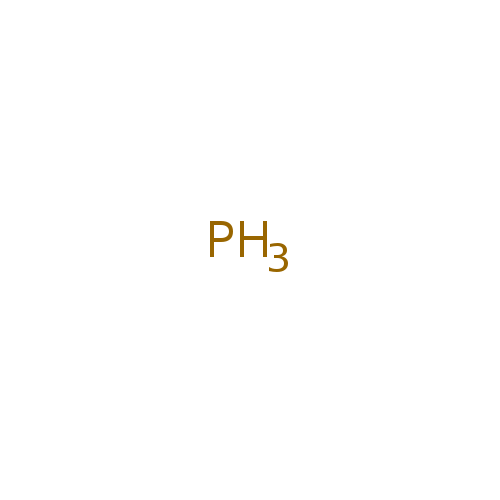
Phosphine, also known as [PH3] or fosfano, belongs to the class of inorganic compounds known as homogeneous other non-metal compounds. These are inorganic non-metallic compounds in which the largest atom belongs to the class of 'other non-metals'. Based on a literature review a significant number of articles have been published on Phosphine.
belongs to the class of inorganic compounds known as homogeneous other non-metal compounds. These are inorganic non-metallic compounds in which the largest atom belongs to the class of 'other non-metals'.
In relation to human nutrition, milk and dairy products are one of the main sources of high-quality protein; vitamins A, D3, B1, B2, B6, and B12; and other micronutrients such as calcium, phosphorus, selenium, and potassium [3,4].
Since cow s milk and its derivatives are not only a major source of proteins and fats but also of micronutrients, such as calcium, zinc, riboflavin, magnesium, phosphorus, pantothenic acid, vitamin B12 and vitamin D, a cow s milk elimination diet without proper substitution of its components could represent a risk for nutritional status of CMA patients [44].
Milk and dairy products are important sources of macro and micronutrients, including high-quality proteins, fats, calcium, potassium, phosphorus, vitamin D, riboflavin, and vitamin B12 [4,5].
It is a vital reservoir of protein, essential nutrients such as calcium, phosphorus, magnesium, zinc, iodine, and potassium, and essential vitamins including A, D, B12, and B2 [17].
Milk consumption has beneficial effects on bone and muscular health, which is a well-known fact and is due to its highly nutritious components, such as calcium, phosphorus, Vitamin D, Vitamin K, proteins, and minerals, such as Mg.
Furthermore, prominent minerals present in milk include calcium and phosphorous with critical role in bone structure, magnesium involved in muscle contraction and selenium important in the immune system.[ 46 , 47 ]
For instance, bovine milk (hereafter referred to as milk) is highly nutritious17 and provides a large contribution to the global intake of vitamins A, B2, B5, and B12; phosphorus; potassium; and calcium.18
Cow s milk also provides calcium, phosphorus, potassium, trace elements (zinc, selenium, iron, and copper), and both fat-soluble (A, D, E, and K) and water-soluble vitamins (thiamin, riboflavin, and B12) [1,28].
The mineral fraction constitutes a minor fraction of the milk solids (approximately 7.1 to 7.4 g/L), and comprises cations (among others calcium (Ca), magnesium (Mg), sodium (Na) and potassium (K)), and anions (among others phosphorus, and chloride) [1,2].
Two blocks located on Chr. 1 showed relationships with the chemical elements zinc and phosphorus, while the other five were linked to acid percentage in milk, including myristic acid, capric acid and caprylic acid.
Key components are milk protein fractions, i.e., casein, whey and non-protein nitrogen (NPN), and minerals, with the most important being calcium, phosphorus and sodium.
Genetic polymorphism has been related to milk titratable acidity, alcohol stability, phosphorus and calcium contents in milk, yogurt pH and the number of fermenting Lactobacilli.
The dairy group supplies many nutrients, including calcium, phosphorus, vitamin D, vitamin A, riboflavin, vitamin B12, protein and essential amino acids, potassium, zinc, choline, magnesium, and selenium [8].
Most of the detected genomic regions had been previously reported in studies of major milk composition traits, but new regions with potential links to milk contents such as phosphorus, orotic acid or citric acid were identified [41].
Milk is a very complex biological fluid containing a wide variety of bioactive compounds and the most important food source of dietary phosphorus for humans and animals [1].
The major milk minerals, calcium and phosphorus, which are required for optimal bone health are more bioavailable due to the mineralisation of casein micelles in both the insoluble organic colloid and mineral forms [58].
Importantly, the nutrient-dense matrix of dairy milk can help achieve nutritional adequacy for several nutrients (namely, calcium, magnesium, phosphorous, vitamin A, vitamin B12, zinc, potassium, and choline).46
Milk phosphorus (P) determination was performed according to the technique of Gliszczy ska- wig o and Rybicka [27] and chloride (Cl) was performed according to Jaudzems et al. [28].
Moreover, the minerals exhibiting greater variability had higher r values, supporting the hypothesis that traits with a wider range of variability provide better prediction models. Second, minerals do not have specific band absorptions in the near-infrared spectrum, so their predictability from NIR spectra might be related to their occurrence in organic compounds, such as proteins or organic molecules74, or to the effect of the element on the water absorption band75, as already shown in other food matrices76,77. In this study, we predicted blood metabolites from milk spectra. Whereas a large proportion of reference values for minerals are in their ionized forms, such as 50 for calcium and 70 for magnesium, the majority of minerals in milk are in organic compounds: two-thirds of calcium is bound in organic compounds within the colloidal phase, more than 50 of total phosphorus is bound to casein micelles, and only 16 of magnesium is present as free ions78.
One portion (200 mL) of cow s milk contributes for more than 10 of the RDA for biotin, pantothenic acid, vitamin B2, phosphorus, calcium and iodine (Supplementary Table 7).
Milk color is determined by a combination of different factors including casein micelles, fat globules, calcium and phosphorus (L*, lightness), and natural pigments including riboflavin (influencing the green index of a*) and carotenoids (influencing the yellow index of b*) [6].
Total protein, albumin, globulin, glucose, total cholesterol, triglyceride, aspartate aminotransferase, alanine aminotransferase, alkaline phosphatase, total bilirubin, direct bilirubin, indirect bilirubin, creatine kinase, lactate dehydrogenase, calcium, and phosphorus in the serum were measured by an automatic biochemical analyzer (BS-280, Mindray Bio-Medical Electronics Co., Ltd., Shenzhen, China).
Alanine aminotransferase (ALT), aspartate transaminase (AST; reference value 50.0-150.0 U/L), alkaline phosphatase (ALP; reference value 28.0-233.0 U/L), total protein (TP; reference value 62.0-80.0 g/L), albumin (ALB; reference value 25.0-35.0 g/L), globulin (GLB; reference value 30.0-49.0 g/L), urea (reference value 3.60-9.30 mmol/L), glucose (GLU; reference value 3.11-4.89 mmol/L), calcium (Ca; reference value 2.00-3.00 mmol/L), phosphorus (P; reference value 1.30-2.80 mmol/L), total cholesterol (TC; reference value 1.20-5.20 mmol/L), and total glyceride (TG; reference value < 0.10 mmol/L) in the cows serum were determined using an automatic biochemistry analyzer (Synchron CX5 Pro, Beckman Coulter, Fullerton, CA, USA).
For the analysis of total protein, albumin, calcium, phosphorus, glucose, blood urea nitrogen (BUN), creatine kinase, bilirubin, creatinine kinase (CK), aspartate aminotransferase (AST), globulins, gamma-glutamyl transferase (GGT), glutamate dehydrogenase activity (GLDH), magnesium, sodium, potassium, and chloride, a 0.5 mL aliquot of serum was submitted to the Texas A M Veterinary Medical Diagnostic Laboratory for a ruminant chemistry profile.
Colorimetric methods were used to analyze serum concentrations of calcium (Calcium testkit from Randox Laboratories Ltd), phosphorus (ammonium-molybdate method; PHS reagent from Beckman Coulter), magnesium (MG reagent from Beckman Coulter), total bilirubin (dimethylsulphoxide method; Bilirubin (Total) test kit from Randox Laboratories Ltd), haptoglobin ( PHASE Haptoglobin Assay; Tridelta Development Limited), total protein (Biuret method; Total Protein test kit from Human Diagnostics), and albumin (Bromocresol Green method; Albumin test kit from Randox Laboratories Ltd).
Glucose (GLU), total protein (TP), albumin (ALB), globulin (GLO), milk urea nitrogen (MUN), calcium (CA), and phosphorus (P) were determined using a UV3000 spectrophotometer (Shanghai Meipuda Instrument Co., Ltd., Shanghai, China).
Serum concentrations of b-hydroxybutyrate, non-esterified fatty acids (NEFA), glucose, aspartate aminotransferase (AST), alanine aminotransferase (ALT), total protein (TP), calcium, phosphorus, and magnesium were measured using commercial biochemical assay kits provided by Mindray Biomedical Electronics Co., Ltd. (Shenzhen, China) and analyzed with the Mindray BS-830 S fully automatic biochemistry analyzer (Mindray Biomedical Electronics Co., Ltd.) at the Biotechnology Centre of Heilongjiang Bayi Agricultural University.
The levels of blood serum minerals, such as calcium, phosphorus, and magnesium, as well as ruminal pH, ammonia-N, acetate, and butyrate, were not affected during either period.
Written in the paper as “phosphorus” and “blood serum”
Serum concentrations of calcium (Ca), phosphorus (Ph), magnesium (Mg), sodium (Na), potassium (K), and chloride (Cl) were measured spectrophotometrically using commercial kits from Human Gesellschaft fur Biochemica und Diagnostica mbH (Germany) following Warner and Stacy (1965).
47 Blood samples were taken at different time points before ( 21, 14, 7, 3 and 1 days and immediately upon calving) and after (6 h, 12 h, 24 h, 48 h, 72 h and 4, 5 and 7 days) calving, and analysed for the serum calcium, magnesium and phosphorus concentrations.
Compared to bovine serum, synovial fluid contains almost the same levels of sugar, urea, creatinine and phosphorous; slightly lower calcium concentration and rather higher chlorides.
Recently, Khan et al. [73] investigated haematological and biochemical changes associated with bovine theileriosis in cross-bred cows, and found significant changes in concentrations of total serum protein, globulins, albumin, phosphorus, calcium, triglycerides, cholesterol, alanine transaminase activity, and serum bilirubin.
In serum samples, calcium, magnesium, phosphorus, total protein, creatinine, urea, b-hydroxybutyrate (BHB) and non-esterified fatty acids (NEFA) were analysed using an automatic biochemistry analyser (COBAS C-311; Roche, Mannheim, Germany).
Serum concentrations of total glucose, b-hydroxybutyrate (BHB), non-esterified fatty acids (NEFA), urea nitrogen, haptoglobin, visfatin, cholesterol, a-tocopherol, calcium, magnesium, and phosphorus were determined as reported previously (Qu et al., 2013; 2014; Fadden and Bobe, 2015).
The most abundant trace elements identified and quantified by ICP-MS were sodium (134 + 14 mM), potassium (4 + 0.4 mM), calcium (2 + 0.2 mM), and phosphorus (1.3 + 0.2 mM), while the least abundant metals quantified by ICP-MS were cesium (1.7 + 0.3 nM), barium (200 + 30 nM), and strontium (1000 + 100 nM).
Inspection of our experimental data reveals that the chemical composition of bovine serum is dominated by inorganic ions (primarily sodium, potassium, calcium, and phosphorus), carbohydrates (glucose), organic acids (lactate, acetate, and 3-hydroxybutyrate), amino acids (glycine, valine, and glutamine), and various amine-containing compounds (urea, creatinine).
Inspection of our experimental data reveals that the chemical composition of bovine serum is dominated by inorganic ions (primarily sodium, potassium, calcium, and phosphorus), carbohydrates (glucose), organic acids (lactate, acetate, and 3-hydroxybutyrate), amino acids (glycine, valine, and glutamine), and various amine-containing compounds (urea, creatinine).
The serum biochemical indicators measured included those involved in energy metabolism, including b-hydroxybutyrate (BHB), non-esterified fatty acid (NEFA), and glucose (Glu); trace elements, including calcium, phosphorus, and magnesium; liver function, including alanine aminotransferase (ALT), aspartate aminotransferase (AST), and total protein (TP); and reproductive hormones, including estradiol and progesterone.
The hubs mediating the relationships between intestinal microbiota and plasma metabolites were the intestinal bacterial genus g__norank_f__Eubacterium_coprostanoligenes_group, plasma inosine, triiodothyronine, and phosphorus, which could be used to differentiate cows’ hair coat status (P < 0.05).
Heparinised plasma was analysed for aspartate aminotransferase (AST), glutamate dehydrogenase (GD), gamma-glutamyl transferase (GGT), total bilirubin, free fatty acids, total protein, calcium (Ca), magnesium (Mg) and phosphorous (P) at the Central Laboratory, The Norwegian School of Veterinary Science, on a Technicon RA-1000R with methods approved by the manufacturer (Bayer Corp., N.Y., USA).
Written in the paper as “phosphorous” and “plasma”
Parameters measured were: the indexes of acute phase reaction, such as the positive acute phase protein haptoglobin and ceruloplasmin; the negative acute phase protein albumin, paraoxonase and the other index related to the negative acute phase protein reaction such as cholesterol, b-carotene, and vitamin A; bilirubin; the liver enzymes aspartate aminotransferase (AST or GOT) and g- glutamyl transpeptidase (GGT); minerals (calcium, magnesium, zinc, and phosphorous); creatinine; and vitamin E.
Written in the paper as “phosphorous” and “plasma”
Plasmatic glucose, insulin, non-esterified fatty acid (NEFA) and β-hydroxybutyrate (BHB) were assayed in all cows in order to calculate the insulin sensitivity indices but also minerals (Calcium, Phosphorous and Magnesium), thyroxin and creatine kinase.
Written in the paper as “Phosphorous” and “plasma”
A clinical auto-analyzer (ILAB-650, Instrumentation Laboratory-Werfen, Bedford, MA, USA) was used to determine the concentrations of glucose, NEFA, BHB, urea, creatinine, calcium, phosphorus, magnesium, sodium, potassium, chlorine, zinc, AST, GGT, alkaline phosphatase (ALP), total protein, haptoglobin, ceruloplasmin, albumin, total bilirubin, cholesterol, globulin, total reactive oxygen metabolites (ROMt), advanced oxidation protein products (AOPP), ferric reducing antioxidant power (FRAP), total thiol groups (SHp), paraoxonase, and myeloperoxidase.
An ILAB 650 (Instrumentation Laboratory, Bedford, MA) clinical auto-analyzer was used to determine the concentrations of glucose, NEFA, BHBA, urea, creatinine, calcium, phosphorus, magnesium, sodium, potassium, chlorine, zinc, AST, GGT, ALP, total proteins, haptoglobin, ceruloplasmin, albumin, total bilirubin, cholesterol and globulins, according to Calamari et al.4; ROMt, FRAP and paraoxonase, according to Bionaz et al.32; SHp, according to Minuti et al.84.; myeloperoxidase, according to Bradley et al.85.; and AOPP, according to Hanasand et al.86.
Fig. 6Predictive ability, including standard errors, for blood minerals for ENet fitting all markers and using three thresholds based on marker significance: \documentclass[12pt]{minimal} \setlength{\oddsidemargin}{-69pt} -log10(P-value)>2.0, \documentclass[12pt]{minimal} \setlength{\oddsidemargin}{-69pt} -log10(P-value)>2.5 and \documentclass[12pt]{minimal} \setlength{\oddsidemargin}{-69pt} -log10(P-value)>3.0. Traits: Ca, calcium; P, phosphorus; Mg, magnesium; Na, sodium; K, potassium; Cl, chlorine and Zn, zinc
Independent of the severity of pH drop, blood glucose, non-esterified fatty acids, beta-hydroxybutyrate, bilirubin, and cortisol were higher, whereas triglycerides, total protein, globulin, albumin, urea nitrogen, cholesterol, calcium, and phosphorous were lower at calving (P < 0.05).
For aspartate aminotransferase (AST), alanine aminotransferase (ALT), gamma glutamyl transferase (GGT), total protein (TP), cholesterol, urea, creatinine, calcium (Ca), phosphorus (P) and BDNF analyses, 10 mL blood samples were collected in yellow capped gel tubes (BD Vacutainer, Plymouth, UK) using a standard jugular venepuncture technique with appropriate restraint.
The blood electrolyte indices, Na, K, chloride, phosphorus, and Mg of cows in early- and mid-lactation were not affected by the supplementation of YCW, which were constant with the reports [8,17] which stated that supplementation of fermented yeast products gave no significant effects on electrolyte indices in transition cows.
Briefly, samples were subjected to wet chemical analysis for DM (ID no. 930.15), total ash, (ID no. 924.05), minerals (calcium and phosphorus, ID no. 985.01), ether extract (EE; ID no. 920.39), CP (ID no. 984.13) and ADF (ID no. 973.18).
Calcium (Ca) and phosphorus (P) concentrations were determined using inductively coupled plasma spectroscopy following wet ashing, in accordance with AOAC [22] methods 985.01 A, B, and C.
The contents of calcium (Ca; method 985.35) and phosphorus (P; method 986.24) were determined using an inductively coupled plasma emission spectrometer (5110 ICP-OES, Agilent Technologies Inc., Santa Clara, CA, USA).
Written in the paper as “phosphorus” and “fecal samples”
The DM, CP, GE, organic matter (OM), calcium (Ca), and phosphorus (P) were determined according to Association of Official Analytical Chemists methodologies (AOAC, 2002).
First, the hindgut of cattle and sheep actively absorbs variable quantities of phosphorus, establishing it as a functional site of mineral recovery15-17.
Written in the paper as “phosphorus” and “hindgut”
Liver tissue phosphorus, potassium and magnesium content in liver tissue wet weight (PWW, KWW and MgWW respectively), in TAG-free wet weight (PTf, KTf and MgTf respectively) and dry matter (PDM, KDM and MgDM respectively) as well as liver dry matter (DM, of wet weight) are presented as least square means (LSM) and standard error (SEM).
Written in the paper as “phosphorus” and “liver tissue”
Calcium (Ca) and phosphorus (P) analyses in the LT muscle were performed at the Bioanalytical and Metalloproteomics Laboratory (UNESP, Botucatu, SP, Brazil) by flame atomic absorption spectrometry and visible spectrophotometry, respectively, following acid mineralization of the samples.
Written in the paper as “phosphorus” and “LT muscle”
b Casein is responsible for forming micelles that transport calcium, phosphorus and other nutrients to the mammary gland during lactation (Younis et al. 2024).
Written in the paper as “phosphorus” and “mammary gland”
SLC37A1, over-expressed in the bovine mammary tissue relative to the 17 other tissue types (66) transports glucose-6-phosphate in one direction and phosphorus in the other (68).
Written in the paper as “phosphorus” and “mammary tissue”
The most abundant trace elements identified and quantified were sodium (236 + 20 mM), potassium (40 + 7 mM), phosphorus (12 + 2 mM), and magnesium (7.5 + 3.5 mM), whereas the least abundant compounds were cesium (30 + 10 nM) and cobalt (1000 + 200 nM).
Written in the paper as “phosphorus” and “ruminal fluid”
Compared to bovine serum, synovial fluid contains almost the same levels of sugar, urea, creatinine and phosphorous; slightly lower calcium concentration and rather higher chlorides.
Written in the paper as “phosphorous” and “synovial fluid”
In cows with mastitis, a decrease in the content of fat, lactose, calcium, and phosphorus was observed with a simultaneous increase in the content of total and whey milk proteins, catalase activity, and also changes in the technological properties of milk, a decrease in its buffer capacity.
Written in the paper as “phosphorus” and “mastitis”
However, serum ALP and calcium levels were significantly decreased, whereas C-reactive protein (CRP) and phosphorus levels were increased in mastitis-affected cows.
Written in the paper as “phosphorus” and “mastitis”
Improper mineral nutrition can also be a prerequisite for lameness [26,71,112], being mainly caused by a lack of calcium, phosphorus, zinc, copper, manganese, selenium, iodine, or sulphur amino acids [83].
Written in the paper as “phosphorus” and “lameness”
Analysis of the plasma mineral profile in lame dairy cows revealed a significant decrease of concentrations copper, calcium, and phosphorus levels as compared to the control.
Written in the paper as “phosphorus” and “lameness”
Previous studies searching for biomarkers for BRD in cattle have identified metabolites such as glucose, valine, phosphorous, propionate, acetate, phenylalanine, 2-methylglutarate and phenol as biomarkers for viral BRD infection29,30,44.
Written in the paper as “phosphorous” and “Bovine Respiratory Disease”
A phosphorus metabolism disease that is characterized by hypophosphatemia and the symptoms of osteomalacia including bone pain, skeletal deformities and osteoarthritis.
During the peripartum period, cows subjected to a hypophosphatemia exhibited a sustained reduction in plasma phosphorus concentrations from late gestation to early lactation, compared with control cows (Fig. 2A).
Written in the paper as “phosphorus” and “hypophosphatemia”
In cattle, hypovitaminosis D, reducing the ability to maintain homeostasis of calcium and phosphorus, has resulted in a decline in the blood level of phosphorus and, less frequently, a decrease in the level of plasma calcium.
Written in the paper as “phosphorus” and “hypovitaminosis D”
They also exhibited higher serum levels of non-esterified fatty acids and aspartate aminotransferase and lower levels of estradiol, progesterone, insulin-like growth factor 1, calcium, and phosphorus (p < 0.01).
Written in the paper as “phosphorus” and “Inactive ovaries”
Nutritional deficiencies in protein and vitamin A (Guilbert, 1942) and phosphorous, (Tuff, 1923) have been linked to infertility in cows (Tuff, 1923; Guilbert, 1942).
Written in the paper as “phosphorous” and “infertility”
Optimal nutrition and feeding management are crucial, as a diet balanced in carbohydrates, proteins, fats, minerals (notably calcium, phosphorus and magnesium), and vitamins (A, D and E), supports high milk production, improves milk composition and helps to prevent metabolic disorders like ketosis, acidosis, hypocalcemia, and cow health around calving ( Caixeta Omontese, 2021; Tsermoula et al., 2025; Tufarelli et al., 2024).
Written in the paper as “phosphorus” and “ketosis”
Ganda et al. (2016) indicated that injectable trace mineral tends to reduce the proportion of cows diagnosed with subclinical mastitis and the cure of subclinical mastitis cases was associated with higher serum concentrations of phosphorus and selenium.
Written in the paper as “phosphorus” and “subclinical mastitis”
A parasitic protozoa infectious disease that involves infection of humans and cattle caused by a genus of parasitic protozoa Theileria, which is transmitted by ixodid ticks.
Recently, Khan et al. [73] investigated haematological and biochemical changes associated with bovine theileriosis in cross-bred cows, and found significant changes in concentrations of total serum protein, globulins, albumin, phosphorus, calcium, triglycerides, cholesterol, alanine transaminase activity, and serum bilirubin.
Written in the paper as “phosphorus” and “bovine theileriosis”
b Casein is responsible for forming micelles that transport calcium, phosphorus and other nutrients to the mammary gland during lactation (Younis et al. 2024).
Written in the paper as “phosphorus” and “lactation”
Furthermore, minerals such as calcium and phosphorus (Ca and P) are essential for milk secretion and skeletal integrity, while magnesium and potassium (Mg and K) are crucial for nerve transmission and enzyme activation.
Written in the paper as “phosphorus” and “milk secretion”
First, the hindgut of cattle and sheep actively absorbs variable quantities of phosphorus, establishing it as a functional site of mineral recovery15-17.
Written in the paper as “phosphorus” and “absorption”
Adolescence is also a critical time for achieving peak bone mass, requiring adequate intake and stores of nutrients including protein, zinc, vitamin D, calcium, phosphorous, magnesium, among others [82].
Written in the paper as “phosphorous” and “achieving peak bone mass”
Minerals contribute to important physiological processes and in human nutrition it has been shown that e.g. Ca and P play a role in bone metabolism, Se and Zn play a role in the immune system while Ca, K and Mg are involved in maintaining blood pressure [3-5].
Written in the paper as “phosphorus” and “bone metabolism”
To avoid overadjustment and collinearity in a small sample (n=21), serum phosphorus and magnesium, which are tightly coupled to calcium homeostasis (Supplementary Table 1) and a physiologically plausible mediator, were not included in the model.
Written in the paper as “phosphorus” and “calcium homeostasis”
Both T3 and phosphorus participate in energy expenditure and metabolism, as well as in the hepatic nutrient metabolism (Engle et al., 2016; Ortiga-Carvalho et al., 2016), with T3 instrumental in maintaining a positive phosphorus equilibrium (MacDonald et al., 2021).
Written in the paper as “phosphorus” and “energy expenditure”
Both T3 and phosphorus participate in energy expenditure and metabolism, as well as in the hepatic nutrient metabolism (Engle et al., 2016; Ortiga-Carvalho et al., 2016), with T3 instrumental in maintaining a positive phosphorus equilibrium (MacDonald et al., 2021).
Written in the paper as “phosphorus” and “hepatic nutrient metabolism”
A notable trend involved microbial taxa displaying opposing correlations with phosphorus, consistent with their counter-regulatory roles in host mineral homeostasis.
Written in the paper as “phosphorus” and “host mineral homeostasis”
These macros/micronutrients are crucial for infant development and an inadequate elimination diet could lead to serious consequences, including poor growth and malnutrition [45].
Written in the paper as “phosphorus” and “infant development”
The unique ability of milk caseins to form macromolecule aggregates (casein micelles) with minerals such as calcium and phosphorus improves the bioavailability, delivery, and intestinal absorption of these minerals [4].
Written in the paper as “phosphorus” and “intestinal absorption”
The appropriate levels of calcium and phosphorus are crucial for the activity of osteoblasts and osteocytes in the process of matrix mineralization [57].
Written in the paper as “phosphorus” and “matrix mineralization”
A cellular process consisting of the biochemical pathways by which a living organism transforms chemical substances. This includes including anabolism (biosynthetic process) and catabolism (catabolic process). Metabolic processes includes the transformation of small molecules, as well macromolecular processes such as DNA repair and replication, protein synthesis and degradation.
The well-developed pore structure (particularly micropores) of high-surface-area biochar enables strong adsorption of nutrients such as nitrogen and phosphorus, limiting microbial access to these substrates, suppressing metabolic activity, and consequently impairing cellulose degradation [35].
Written in the paper as “phosphorus” and “metabolic activity”
First, the hindgut of cattle and sheep actively absorbs variable quantities of phosphorus, establishing it as a functional site of mineral recovery15-17.
Written in the paper as “phosphorus” and “mineral recovery”
The major milk minerals, calcium and phosphorus, which are required for optimal bone health are more bioavailable due to the mineralisation of casein micelles in both the insoluble organic colloid and mineral forms [58].
Written in the paper as “phosphorus” and “mineralisation of casein micelles”
Any process that modulates the frequency, rate or extent of gluconeogenesis, the formation of glucose from noncarbohydrate precursors, such as pyruvate, amino acids and glycerol.
With SUPP-2, a stable glucose behavior was evidenced during the experiment, which could be explained by animal supplementation with phosphorus and vitamin B12 since these micronutrients participate in gluconeogenic processes regulation (Campos et al., 2018).
Written in the paper as “phosphorus” and “gluconeogenic processes regulation”
Milk color is determined by a combination of different factors including casein micelles, fat globules, calcium and phosphorus (L*, lightness), and natural pigments including riboflavin (influencing the green index of a*) and carotenoids (influencing the yellow index of b*) [6].
Any measurable or observable characteristic related to the proportions of proteins, minerals, nutrients, gases, or other substances in the fluid secreted by the mammary glands of female mammals for the nourishment of their young.
Key components are milk protein fractions, i.e., casein, whey and non-protein nitrogen (NPN), and minerals, with the most important being calcium, phosphorus and sodium.
Written in the paper as “phosphorus” and “milk composition”
These authors found higher phosphorus levels in more efficient animals and suggested greater availability of phosphorus for growth and energy metabolism.
Written in the paper as “phosphorus” and “residual feed intake”
The concentration of phosphorus was determined by the photometric method and of calcium by the atomic absorption spectrophotometric method (method 985.01).
Written in the paper as “phosphorus” and “total mixed ration”
The total mixed ration samples were analyzed for dry matter, crude protein, ether extract, neutral detergent fiber, acid detergent fiber, phosphorus, and calcium (Wu et al., 2022).
Written in the paper as “phosphorus” and “total mixed ration”
All feed ingredients and a TMR sample were evaluated for CP, NDF, crude fat, ash, NEm, NEg, calcium (Ca), phosphorus (P), sulfur (S), and DM (Table 1).
Written in the paper as “phosphorus” and “total mixed ration”
Calcium (Ca) and phosphorus (P) concentrations were determined using inductively coupled plasma spectroscopy following wet ashing, in accordance with AOAC [22] methods 985.01 A, B, and C.
Written in the paper as “phosphorus” and “total mixed ration”
The contents of calcium (Ca; method 985.35) and phosphorus (P; method 986.24) were determined using an inductively coupled plasma emission spectrometer (5110 ICP-OES, Agilent Technologies Inc., Santa Clara, CA, USA).
Written in the paper as “phosphorus” and “total mixed ration”
TMR was analyzed for dry matter (DM, Method 930.15), crude protein (CP, Method 990.03), calcium (Ca, Method 927.02) and phosphorus (P, Method 995.11) according to the AOAC International [20], and total digestible nutrient (TDN), net energy for maintenance (NEm) and net energy for gain (NEg) were calculated according to NRC (8th version, 2016).
Written in the paper as “phosphorus” and “total mixed ration”
Table 1Diet ingredients and chemical composition of the total mixed ration for dairy cowsFeed items ( of dry matter) Corn silage35.2 Grass silage24.1 Wheat straw2.1 Rapeseed meal13.3 Soybean meal3.4 Grain of maize5.9 Dried sugar beet pulp7.0 Rye grains8.0 Urea0.1 Vitamin premix0.2 Feed lime0.6 Cattle salt0.2Chemical composition (g/kg dry matter) 1 Dry matter411 CP153 Crude fat33 Starch179 NDF389 ADF217 ADL25 Calcium6.1 Magnesium2.1 Phosphorous3.8 1 Chemical composition was analysed in three samples of the total mixed ration.
Written in the paper as “Phosphorous” and “total mixed ration”
Dried samples of TMR were ground through a 1 mm screen and were analyzed for dry matter, ash, calcium, phosphorus, Crude protein (CP), Neutral detergent fiber (NDF), and Acid detergent fiber (ADF).
Written in the paper as “phosphorus” and “total mixed ration”
The contents of dry matter (method No. 934.01), crude protein (method No. 976.05), calcium (method No. 927.02), and phosphorus (method No. 3964.06) in TMR was assayed as described by Association of Official Analytical Communities methods [29].
Written in the paper as “phosphorus” and “total mixed ration”
The contents of dry matter (Method 934.01), crude protein (Method 976.05), crude fat (Method 920.39), ash (Method 942.05), calcium (Method 927.02), and phosphorus (Method 3964.06) in TMR were assayed as described by the Association of Official Analytical Communities methods (AOAC, 2003; AOAC, 2005).
Written in the paper as “phosphorus” and “total mixed ration”
The contents of DM (method No. 934.01), CP (method No. 976.05), calcium (method No. 927.02), and phosphorus (method No. 3964.06) in Italian ryegrass and concentrate were assayed as described by Association of Official Analytical Communities methods [8].
Written in the paper as “phosphorus” and “concentrate”
The concentration of phosphorus was determined by the photometric method and of calcium by the atomic absorption spectrophotometric method (method 985.01).
Written in the paper as “phosphorus” and “concentrate”
The concentrate was purchased from commercial company, including crude protein > 17 , crude fiber < 10 , crude ash < 9 , moisture < 14 , total phosphorus > 0.4 , calcium 0.5-1.2 , and salt 0.8-1.5 .
Written in the paper as “phosphorus” and “concentrate”
Hay contained 11 crude protein and 32 crude fiber, and the concentrate was a mixture of barley, molasses chips, soybean extraction meal, molasses, minerals and a vitamin premix resulting in a composition of 15 crude protein, 9 crude fiber, 2 crude fat, 0.8 calcium, 0.3 phosphorus and 0.3 sodium (RM 2007, Vollkraft Mischfutterwerke GmbH, Rendsburg, Germany).
Written in the paper as “phosphorus” and “concentrate”
The contents of DM (method No. 934.01), crude protein (CP, method No. 976.05), calcium (method No. 927.02), and phosphorus (method No. 3964.06) in Italian ryegrass and concentrate were assayed as described by Association of Official Analytical Communities methods [15].
Written in the paper as “phosphorus” and “concentrate”
Food material which can be used to meet nutritional requirements of animals, particularly livestock such as cattle, goats, sheep, horses, chickens and pigs.
The dry matter (DM), crude protein (CP), ether extract (EE), ash, calcium (Ca), and phosphorus (P) were analyzed using methods outlined by the Association of Official Analytical Chemists (AOAC, 2002).
The gross energy was determined using an isothermal automatic calorimeter (5E-AC8018, Kaiyuan Instruments Co., Ltd., Changsha, China), and the dry matter, crude protein, ether extract, ash, calcium, and phosphorus were determined according to Association of Official Analytical Chemists methods (AOAC, 2002).
Nutrient concentrations of crude protein (CP), calcium (Ca), and phosphorus (P) in the feed supplied was determined according to standard AOAC methods (8).
The DM, CP, GE, organic matter (OM), calcium (Ca), and phosphorus (P) were determined according to Association of Official Analytical Chemists methodologies (AOAC, 2002).
Green forage from legume plants provides high amounts of calcium and magnesium, while cereal grains provide phosphorus, wheat bran is a source of magnesium, and green forage contains small amounts of sodium.
Written in the paper as “phosphorus” and “cereal grains”
1Per kg premix contained the following: 4 g of calcium; 5.5 g of phosphorus; 2 g of sodium; 4 g of magnesium; 40,000 IU, of vitamin A; 37,000 IU, of vitamin D; 500 IU, of vitamin E; 30 mg of copper; 25 mg of iron; 140 mg of manganese; 140 mg of zinc; 0.8 mg of selenium.
Contained (concentration of premix per kilogram of DM): 132 g of chloride, 65 g of magnesium, 50 g of phosphorus, 90 g of sodium, 1.5 g of potassium, 0.5 g of sulfur, 4,500 mg of zinc, 4,000 mg of manganese, 1,500 mg of copper, 225 mg of iodine, 50 mg of selenium, 25 mg of cobalt, 600,000 IU of vitamin A, 190,000 IU of vitamin D, and 4,000 IU of vitamin E2CP Crude protein, NDF Neutral detergent fibre, ADF Acid detergent fibre
Optimal nutrition and feeding management are crucial, as a diet balanced in carbohydrates, proteins, fats, minerals (notably calcium, phosphorus and magnesium), and vitamins (A, D and E), supports high milk production, improves milk composition and helps to prevent metabolic disorders like ketosis, acidosis, hypocalcemia, and cow health around calving ( Caixeta Omontese, 2021; Tsermoula et al., 2025; Tufarelli et al., 2024).
Research is also needed to test whether a decrease in dietary lignin and phosphorus concentrations can reduce panting score without reducing cows milk yield and milk fat concentration.
The contents of DM (method No. 934.01), CP (method No. 976.05), calcium (method No. 927.02), and phosphorus (method No. 3964.06) in Italian ryegrass and concentrate were assayed as described by Association of Official Analytical Communities methods [8].
Written in the paper as “phosphorus” and “Italian ryegrass”
The contents of DM (method No. 934.01), crude protein (CP, method No. 976.05), calcium (method No. 927.02), and phosphorus (method No. 3964.06) in Italian ryegrass and concentrate were assayed as described by Association of Official Analytical Communities methods [15].
Written in the paper as “phosphorus” and “Italian ryegrass”
Apart from macronutrients, pasture-fed milk contains higher concentrations of micronutrients such as calcium and phosphorus (Guinee et al., 2006; Gulati et al., 2018; Tsioulpas et al., 2007).
Written in the paper as “phosphorus” and “Pasture”
All feed ingredients and a TMR sample were evaluated for CP, NDF, crude fat, ash, NEm, NEg, calcium (Ca), phosphorus (P), sulfur (S), and DM (Table 1).
Written in the paper as “phosphorus” and “feed ingredients”
Kulczy ski et al. [30] have reported that chia seeds are super-rich in potassium, magnesium, calcium and phosphorus, with their contents reaching 407-726 mg/100 g, 335-449 mg/100 g, 456-631 mg/100 g and 860-919 mg/100 g, respectively.
Written in the paper as “phosphorus” and “chia seeds”
Table 1Average chemical composition of creep feeding supplement provided from day 70 to 220 and post weaning supplement provided from Day 221 to 458.ItembSupplementaCreep feedingPost-weaningTDN, 62.5 67.0 CP, 20.0 20.0 Ca, g/kg45.020.0P, g/kg7.510.0Na, g/kg15.065.0Zn, mg/kg360.0400.0Cu, mg/kg120.0155.0I, mg/kg6.014.0Co, mg/kg7.510.0Se, mg/kg3.07.0Mn, mg/kg202.5-Virginiamycin, mg/kg125.0-aCreep feeding = Molasses block supplementation offered ad libitum during the pre-weaning; Post weaning = Supplementation offered at 0.3 of body weight/animal/day.bTDN total digestible nutrients, CP crude protein, Ca calcium, P phosphorous, Na sodium, Zn zinc, Cu copper, I iodine, Co cobalt, Se selenium, Mn manganese.
Written in the paper as “phosphorous” and “creep feeding supplement”
Table 1Table 1.Components of the diet and nutrient supply fed to the Japanese Black beef cattleMid (n=3)Late (n=3)CONHCCONHCComponents of dietConcentrate (kg)6.08.06.86.3Rice straw (kg)1.00.51.30.4Crude protein ( )13.314.113.314.0Total digestible nutrients ( )76.880.174.881.8Neutral detergent fiber ( )30.827.034.820.8Acid detergent fiber ( )13.110.517.28.1Non fibers carbohydrate ( )46.450.342.658.0Nutrient supply ( )Dry matter861119679Crude protein130172149126Total digestible nutrients1091429787Calcium991275321Phosphorus227301118111Mid, middle fattening stage; Late, late fattening stage; CON, control diet period; HC, high-concentrate diet period. shows the components and amounts fed based on the Japanese feeding standards for beef cattle.
Written in the paper as “Phosphorus” and “daily diet”
Briefly, samples were subjected to wet chemical analysis for DM (ID no. 930.15), total ash, (ID no. 924.05), minerals (calcium and phosphorus, ID no. 985.01), ether extract (EE; ID no. 920.39), CP (ID no. 984.13) and ADF (ID no. 973.18).
Written in the paper as “phosphorus” and “dietary ingredients”
The concentration of phosphorus was determined by the photometric method and of calcium by the atomic absorption spectrophotometric method (method 985.01).
Written in the paper as “phosphorus” and “forages”
Hay is grass, legumes or other herbaceous plants that have been cut, dried, and stored for use as animal fodder, particularly for grazing livestock such as cattle, horses, goats, and sheep.
The dairy industry has an environmental impact including GHG emissions related to crop production, enteric and manure CH4, water resource for feed production, excretion of nitrogen and phosphorus, and land management [4].
Briefly, samples were subjected to wet chemical analysis for DM (ID no. 930.15), total ash, (ID no. 924.05), minerals (calcium and phosphorus, ID no. 985.01), ether extract (EE; ID no. 920.39), CP (ID no. 984.13) and ADF (ID no. 973.18).
A macroscopic, multicellular, marine algae (kingdom Protista) that belongs to one of several groups of multicellular algae: the red algae, green algae, and brown algae. As these three groups are not thought to have a common multicellular ancestor, the seaweeds are a polyphyletic group. In addition, some tuft-forming bluegreen algae (Cyanobacteria) are sometimes considered seaweed.
An environmental material which is primarily composed of minerals, varying proportions of sand, silt, and clay, organic material such as humus, interstitial gases, liquids, and a broad range of resident micro- and macroorganisms.
This manure-mediated nutriment transfer is essential for maintaining soil phosphorus and nitrogen levels, which are naturally deficient in the sandy soils of Niger s southern arable fringe [15].
Briefly, samples were subjected to wet chemical analysis for DM (ID no. 930.15), total ash, (ID no. 924.05), minerals (calcium and phosphorus, ID no. 985.01), ether extract (EE; ID no. 920.39), CP (ID no. 984.13) and ADF (ID no. 973.18).
Written in the paper as “phosphorus” and “total mixed ration diets”
The migration of these herbivores is driven by seasonal water resources and by the high levels of nitrogen and phosphorus in the area s vegetation that result from underlying volcanic soils and which are important for lactating females [26, 31, 32].
Written in the paper as “phosphorus” and “vegetation”
Lastly, fertilizers may cause eutrophication of water bodies by runoff of phosphorus and nitrogen compounds and groundwater contamination by nitrate leaching.