
Showing metabocard for Methylimidazole acetaldehyde (BMDB0004181)
| Record Information | ||||||||||||||||||||||||||||||||||||||||||||||||||||||||||
|---|---|---|---|---|---|---|---|---|---|---|---|---|---|---|---|---|---|---|---|---|---|---|---|---|---|---|---|---|---|---|---|---|---|---|---|---|---|---|---|---|---|---|---|---|---|---|---|---|---|---|---|---|---|---|---|---|---|---|
| Version | 1.0 | |||||||||||||||||||||||||||||||||||||||||||||||||||||||||
| Creation Date | 2016-09-30 23:08:23 UTC | |||||||||||||||||||||||||||||||||||||||||||||||||||||||||
| Update Date | 2026-11-27 16:48:02 UTC | |||||||||||||||||||||||||||||||||||||||||||||||||||||||||
| BMDB ID | BMDB0004181 | |||||||||||||||||||||||||||||||||||||||||||||||||||||||||
| Secondary Accession Numbers |
| |||||||||||||||||||||||||||||||||||||||||||||||||||||||||
| Metabolite Identification | ||||||||||||||||||||||||||||||||||||||||||||||||||||||||||
| Common Name | Methylimidazole acetaldehyde | |||||||||||||||||||||||||||||||||||||||||||||||||||||||||
| Description | Methylimidazole acetaldehyde belongs to the class of organic compounds known as n-substituted imidazoles. These are heterocyclic compounds containing an imidazole ring substituted at position 1. Methylimidazole acetaldehyde is possibly soluble (in water) and a very strong basic compound (based on its pKa). Methylimidazole acetaldehyde exists in all living organisms, ranging from bacteria to humans. Methylimidazole acetaldehyde participates in a number of enzymatic reactions, within cattle. In particular, Methylimidazole acetaldehyde can be biosynthesized from 1-methylhistamine; which is catalyzed by the enzyme amine oxidase [flavin-containing] a. In addition, Methylimidazole acetaldehyde can be converted into methylimidazoleacetic acid; which is catalyzed by the enzyme aldehyde dehydrogenase, dimeric nadp-preferring. In cattle, methylimidazole acetaldehyde is involved in the metabolic pathway called the histidine metabolism pathway. | |||||||||||||||||||||||||||||||||||||||||||||||||||||||||
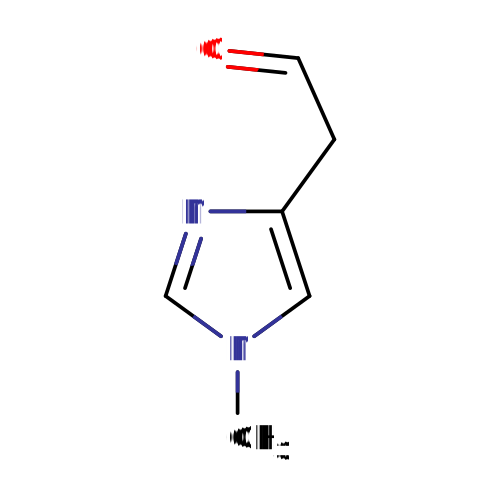
| Structure | 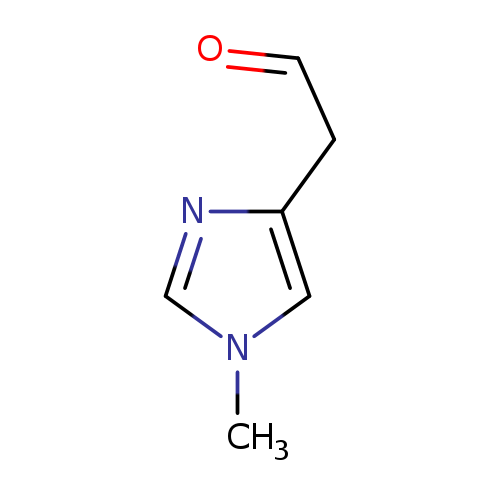 | |||||||||||||||||||||||||||||||||||||||||||||||||||||||||
| Synonyms |
| |||||||||||||||||||||||||||||||||||||||||||||||||||||||||
| Chemical Formula | C6H8N2O | |||||||||||||||||||||||||||||||||||||||||||||||||||||||||
| Average Molecular Weight | 124.1405 | |||||||||||||||||||||||||||||||||||||||||||||||||||||||||
| Monoisotopic Molecular Weight | 124.063662888 | |||||||||||||||||||||||||||||||||||||||||||||||||||||||||
| IUPAC Name | 2-(1-methyl-1H-imidazol-4-yl)acetaldehyde | |||||||||||||||||||||||||||||||||||||||||||||||||||||||||
| Traditional Name | methylimidazole acetaldehyde | |||||||||||||||||||||||||||||||||||||||||||||||||||||||||
| CAS Registry Number | 19639-03-3 | |||||||||||||||||||||||||||||||||||||||||||||||||||||||||
| SMILES | CN1C=NC(CC=O)=C1 | |||||||||||||||||||||||||||||||||||||||||||||||||||||||||
| InChI Identifier | InChI=1S/C6H8N2O/c1-8-4-6(2-3-9)7-5-8/h3-5H,2H2,1H3 | |||||||||||||||||||||||||||||||||||||||||||||||||||||||||
| InChI Key | GCQHUBANENYTLB-UHFFFAOYSA-N | |||||||||||||||||||||||||||||||||||||||||||||||||||||||||
| Chemical Taxonomy | ||||||||||||||||||||||||||||||||||||||||||||||||||||||||||
| Description | belongs to the class of organic compounds known as n-substituted imidazoles. These are heterocyclic compounds containing an imidazole ring substituted at position 1. | |||||||||||||||||||||||||||||||||||||||||||||||||||||||||
| Kingdom | Organic compounds | |||||||||||||||||||||||||||||||||||||||||||||||||||||||||
| Super Class | Organoheterocyclic compounds | |||||||||||||||||||||||||||||||||||||||||||||||||||||||||
| Class | Azoles | |||||||||||||||||||||||||||||||||||||||||||||||||||||||||
| Sub Class | Imidazoles | |||||||||||||||||||||||||||||||||||||||||||||||||||||||||
| Direct Parent | N-substituted imidazoles | |||||||||||||||||||||||||||||||||||||||||||||||||||||||||
| Alternative Parents | ||||||||||||||||||||||||||||||||||||||||||||||||||||||||||
| Substituents |
| |||||||||||||||||||||||||||||||||||||||||||||||||||||||||
| Molecular Framework | Aromatic heteromonocyclic compounds | |||||||||||||||||||||||||||||||||||||||||||||||||||||||||
| External Descriptors |
| |||||||||||||||||||||||||||||||||||||||||||||||||||||||||
| Ontology | ||||||||||||||||||||||||||||||||||||||||||||||||||||||||||
| Status | Expected but not Quantified | |||||||||||||||||||||||||||||||||||||||||||||||||||||||||
| Origin |
| |||||||||||||||||||||||||||||||||||||||||||||||||||||||||
| Biofunction | Not Available | |||||||||||||||||||||||||||||||||||||||||||||||||||||||||
| Application | Not Available | |||||||||||||||||||||||||||||||||||||||||||||||||||||||||
| Cellular locations | Not Available | |||||||||||||||||||||||||||||||||||||||||||||||||||||||||
| Physical Properties | ||||||||||||||||||||||||||||||||||||||||||||||||||||||||||
| State | Solid | |||||||||||||||||||||||||||||||||||||||||||||||||||||||||
| Experimental Properties |
| |||||||||||||||||||||||||||||||||||||||||||||||||||||||||
| Predicted Properties |
| |||||||||||||||||||||||||||||||||||||||||||||||||||||||||
| Spectra | ||||||||||||||||||||||||||||||||||||||||||||||||||||||||||
| Spectra | ||||||||||||||||||||||||||||||||||||||||||||||||||||||||||
| Biological Properties | ||||||||||||||||||||||||||||||||||||||||||||||||||||||||||
| Cellular Locations | Not Available | |||||||||||||||||||||||||||||||||||||||||||||||||||||||||
| Biospecimen Locations | Not Available | |||||||||||||||||||||||||||||||||||||||||||||||||||||||||
| Body Locations | Not Available | |||||||||||||||||||||||||||||||||||||||||||||||||||||||||
| Biological Processes |
| |||||||||||||||||||||||||||||||||||||||||||||||||||||||||
| Pathways |
| |||||||||||||||||||||||||||||||||||||||||||||||||||||||||
| Concentrations | ||||||||||||||||||||||||||||||||||||||||||||||||||||||||||
No normal concentrations recorded No abnormal concentrations recorded | ||||||||||||||||||||||||||||||||||||||||||||||||||||||||||
| External Links | ||||||||||||||||||||||||||||||||||||||||||||||||||||||||||
| HMDB ID | HMDB0004181 | |||||||||||||||||||||||||||||||||||||||||||||||||||||||||
| DrugBank ID | Not Available | |||||||||||||||||||||||||||||||||||||||||||||||||||||||||
| Phenol Explorer Compound ID | Not Available | |||||||||||||||||||||||||||||||||||||||||||||||||||||||||
| FooDB ID | FDB023327 | |||||||||||||||||||||||||||||||||||||||||||||||||||||||||
| KNApSAcK ID | Not Available | |||||||||||||||||||||||||||||||||||||||||||||||||||||||||
| Chemspider ID | 167957 | |||||||||||||||||||||||||||||||||||||||||||||||||||||||||
| KEGG Compound ID | C05827 | |||||||||||||||||||||||||||||||||||||||||||||||||||||||||
| BioCyc ID | Not Available | |||||||||||||||||||||||||||||||||||||||||||||||||||||||||
| BiGG ID | Not Available | |||||||||||||||||||||||||||||||||||||||||||||||||||||||||
| Wikipedia Link | Not Available | |||||||||||||||||||||||||||||||||||||||||||||||||||||||||
| METLIN ID | Not Available | |||||||||||||||||||||||||||||||||||||||||||||||||||||||||
| PubChem Compound | 193545 | |||||||||||||||||||||||||||||||||||||||||||||||||||||||||
| PDB ID | Not Available | |||||||||||||||||||||||||||||||||||||||||||||||||||||||||
| ChEBI ID | 28104 | |||||||||||||||||||||||||||||||||||||||||||||||||||||||||
| References | ||||||||||||||||||||||||||||||||||||||||||||||||||||||||||
| Synthesis Reference | Not Available | |||||||||||||||||||||||||||||||||||||||||||||||||||||||||
| Material Safety Data Sheet (MSDS) | Not Available | |||||||||||||||||||||||||||||||||||||||||||||||||||||||||
| General References | Not Available | |||||||||||||||||||||||||||||||||||||||||||||||||||||||||
Enzymes
- General function:
- Amino acid transport and metabolism
- Specific function:
- Catalyzes the oxidative deamination of biogenic and xenobiotic amines and has important functions in the metabolism of neuroactive and vasoactive amines in the central nervous system and peripheral tissues. MAOA preferentially oxidizes biogenic amines such as 5-hydroxytryptamine (5-HT), norepinephrine and epinephrine.
- Gene Name:
- MAOA
- Uniprot ID:
- P21398
- Molecular weight:
- 59758.0
Reactions
| 1-Methylhistamine + Water + Oxygen → Methylimidazole acetaldehyde + Ammonia + Hydrogen peroxide | details |