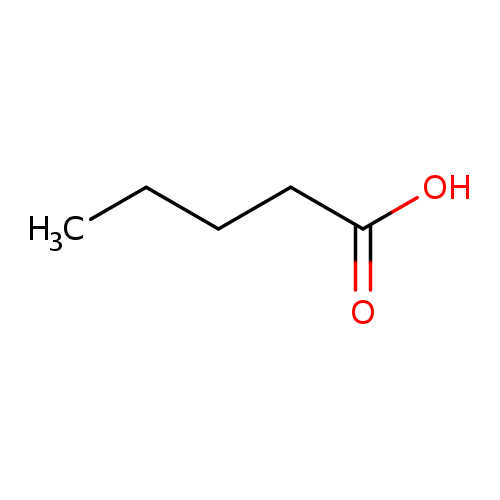
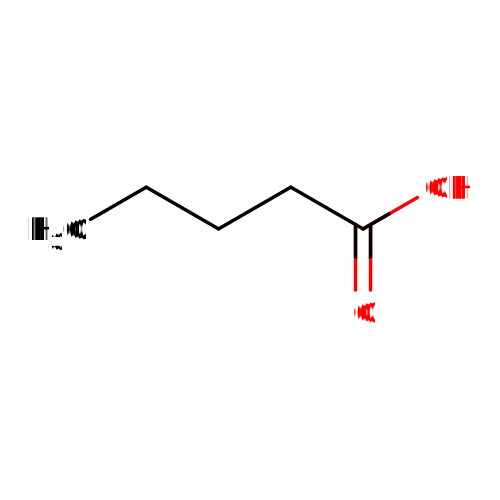
Pentanoic acid, also known as valerate or N-pentanoate, belongs to the class of organic compounds known as straight chain fatty acids. These are fatty acids with a straight aliphatic chain. Pentanoic acid exists as a solid, very hydrophobic, practically insoluble (in water), and relatively neutral molecule. Pentanoic acid exists in all living species, ranging from bacteria to humans. Pentanoic acid is a potentially toxic compound.
Valic acid is the substrate of rumen fermentation, which can be further processed into ruminants as a carbon source, moreover, valeric acid also participates in cellular immunity and is an effective immunomodulator (Nadeau et al., 2003; Feng et al., 2022).
Less abundant VFA such as isobutyrate, isovalerate, valerate, and caproate molar concentration did not vary with 3-NOP inclusion rate (P > 0.34) nor 3-NOP x period (P > 0.35) interaction (VFA means of 0.443 + 0.0556, 0.491 + 0.0969, 4.11 + 0.300 and 3.66 + 0.402, respectively).
Among the six short VFAs (acetate, propionate, isobutyrate, butyrate, isovalerate, valerate) generated in rumen, their compositions will impact the amounts of hydrogen production which serves as the substrate of methane synthesis.
Furthermore, our previous study [6] also revealed significant associations between p-251-o5 and the concentrations of propionate and valerate in the rumen, as well as significant associations between Pseudoscardovia and acetate, propionate, and valerate concentrations within the rumen.
No significant differences were observed in the content of butyric acid, isobutyric acid, valeric acid, isovaleric acid, caproic acid, and 4-methylvaleric acid in the rumens of the three experimental groups (p > 0.05).
Written in the paper as “valeric acid” and “rumens”
Ruminal acetate, propionate, butyrate, valerate, isovalerate, and lactate concentrations were log transformed before analysis to ensure normal distribution.
Total VFA concentration and individual VFA molar proportions (acetate, propionate, butyrate, valerate, iso-butyrate and iso-valerate) were not affected (P > 0.05) by dietary CP levels or oscillating dietary CP.
With relation to rumen metabolism, the strongest correlations for the heritable OTUs were with propionate/acetate ratio (highest-magnitude r = 0.86, mean |r| = 0.64), methane metabolism (highest-magnitude r = 0.69, mean |r| = 0.49), propionic acid (highest-magnitude r = 0.6245274, mean |r| = 0.44), and valeric acid (highest-magnitude r = 0.57, mean |r| = 0.39), as well as with the concentration of several amino acids, namely, glycine, aspartate, and tyrosine (with highest-magnitude r = 0.51, 0.5, and 0.53 and mean |r| = 0.32, 0.39, and 0.36, respectively).
Written in the paper as “valeric acid” and “rumen”
Ruminal fermentation parameters included the concentration of NH3-N and total VFA, and the molar proportions of acetate, propionate, butyrate, isovalerate, and valerate.
Ruminal VFA (including acetate, propionate, butyrate, valerate, isobutyrate and isovalerate) concentrations of each sample were analyzed by gas chromatography (Agilent Technologies 7820A GC system, Santa Clara, USA) using a 30 m x 0.25 mm x 0.33 um fused silica column (AE-FFAP; ATECH Technologies Co., Ltd, Lanzhou, China) after removing the solid particles and proteins in the sample according to previously described methods (Li et al. 2014).
No lactic acid was detected in any rumen sample, and no treatment differences were observed for branched VFA (isovalerate or 2-methyl butyrate; P = 0.08) or valerate (P = 0.18) concentrations.
VFAs that can be found in the rumen, such as acetate, propionate, butyrate, valerate, isobutyrate, and isovalerate are the main sources of energy for ruminants [27].
Therefore, the existence of significant association between host genome and both iso-valeric acid, and valeric acid traits can help dairy farmers to improve these acids availability in rumen for ruminal cellulolytic bacteria using genetic selection.
Written in the paper as “valeric acid” and “rumen”
In general, genera like Ruminococcus, that were associated with dietary fiber intake, were positively correlated with ruminal acetate and butyrate proportions, while genera like Weissella, positively correlated to dietary starch intake, were also positively correlated to ruminal propionate and valerate proportions (Fig. 7a, b).
When steers consumed a basal diet of corn silage and dried distillers grains to meet protein requirements ad libitum, on average rumen SCFA concentrations were approximately: 40 mmol L-1 acetate, 32 mmol L-1 propionate, 16 mmol L-1 butyrate, 1.6 mmol L-1 IVMB, 2 mmol L-1 valerate and 91 mmol L-1 total SCFA (Table 4).
Similar to our study, cattle grazing pasture of varying digestibility had similar rumen molar percentages of acetate, propionate, butyrate, iso-valerate and valerate [68].
In total 42 metabolites were identified, 6 showing significant differences between diets (acetate, propionate, butyrate, valerate, 3-phenylopropionate, and 2-hydroxyvalerate).
Sample preparation and analysis of concentrations of acetate, propionate, n-butyrate, iso-butyrate, n-valerate, iso-valerate, and caproate were performed as described before in Poier et al. [31].
Written in the paper as “n-valerate” and “Free rumen liquid”
Paired analysis (morning and evening samples) of the ruminal fluid samples revealed that metabolites such as acetate, aspartate, butyrate, choline, glutamate, propionate, valerate and 2-hydroxy-3-methylvalerate were positively correlated between morning and evening samples (Figure 4) (correlation coefficient > 0.15).
Written in the paper as “valerate” and “ruminal fluid”
The concentrations of volatile fatty acids (VFA) including acetate, propionate, butyrate, isobutyrate, valerate, and isovalerate were analyzed using the method of Wang et al. [37].
Written in the paper as “valerate” and “rumen fluid”
Ruminal fermentation parameters were determined: pH was measured by a pH (Starter 300, Shanghai, China) meter; volatile fatty acids (VFA), including acetic, propionic, butyric, valeric, and valeric acids, were determined in rumen liquor by gas chromatography (GC522, Shanghai, China; Erwin et al., 1961); and NH3-N concentration was determined by colorimetric method; 16S rRNA sequencing: The total genomic DNA of the microbial community was extracted according to the instructions of the E.Z.N.A.R soil DNA kit (Omega Bio-tek, Norcross, GA, United States), and the quality of the extracted genomic DNA was checked by agarose gel electrophoresis with 1 agarose, and the concentration and purity of the DNA were determined by NanoDrop2000 (Thermo Scientific, United States).
Written in the paper as “valeric acid” and “rumen liquor”
Individual VFAs (acetate, propionate, isobutyrate, butyrate, isovalerate, valerate, 4-methylvalerate, and caproate) were quantified using calibration curves (25-800 uM) with 2-ethylbutyrate as the internal standard.
Written in the paper as “valerate” and “Rumen fluid”
The association analysis between rumen fluid metabolites and phenotypic traits revealed that acetic acid was significantly positively correlated with valeric acid, but significantly negatively correlated with pyridine and pterin (p < 0.01, Figure 6B).
Written in the paper as “valeric acid” and “rumen fluid”
Frozen rumen fluid samples were used to determine the concentrations of acetate, propionate, isobutyrate, butyrate, isovalerate, valerate, and caproate by gas chromatography, while ammonia nitrogen (NH3-N) and microbial crude protein (MCP) concentrations were measured using colorimetric methods.
Written in the paper as “valerate” and “rumen fluid”
The raw means (+SD) for these data for each feed additive group are shown in Table 2 for rumen fluid collected 215-min after consumption of the challenge ration.
Written in the paper as “valerate” and “rumen fluid”
The most abundant compounds present in the ruminal fluid metabolome were volatile/short chain fatty acids including propionate, butyrate, acetic acid, valerate, isobutyric acid, and isovaleric acid.
Written in the paper as “valerate” and “ruminal fluid”
Short chain fatty acids (lactate, acetate, propionate, butyrate, IVMB: isovalerate and/or methylbutyrate, and valerate) were quantified using a Summit HPLC (Dionex, Sunnyvale, CA) equipped with an anion exchange column (Aminex, HP-87H; Bio-Rad, Hercules, CA), refractive index (Shodex/Showa Denko, Kanagawa, Japan) and UV detector.
Written in the paper as “valerate” and “Rumen fluid”
VFAs, including 3-phenylpropionate, methylamine, valerate, isobutyrate, glucose, pimelate, fructose, and isovalerate had the highest concentration among the metabolites.
Written in the paper as “valerate” and “ruminal fluid”
The PLS-DA was influenced by propionate, butyrate, valerate in rumen fluid and guanidinoacetate, glycine, and lactose metabolites in milk, which also demonstrated a separation between the groups.
Written in the paper as “valerate” and “rumen fluid”
Short chain fatty acids (SCFA; lactate, acetate, propionate, butyrate, IVMB: isovalerate and/or methylbutyrate, and valerate) were quantified using HPLC (Summit HPLC; Dionex, Sunnyvale, CA, USA) equipped with an anion exchange column (Aminex, HP-87H; Bio-Rad, Hercules, CA, USA), refractive index (Shodex/Showa Denko, Kanagawa, Japan) and UV detector.
Written in the paper as “valerate” and “Rumen fluid”
The concentrations of VFAs, including acetate, propionate, butyrate, isobutyrate, valerate, and isovalerate, were analyzed by gas chromatography (Agilent 7890A, Agilent Technologies, CA, USA).
Written in the paper as “valerate” and “ruminal fluid”
The VFA and ammonia-N concentrations and pH in ruminal fluid at d 140 showed no effects of weaning age, mother s parity and their interaction (Table 1).
Written in the paper as “Valerate” and “ruminal fluid”
There was an interaction of amount of VFA spiked and the diet of the animal (P = 0.021) for valerate and a tendency for an interaction (P = 0.051) for isovalerate, due to the recovery of the VFA being lower in the medium spike amount in rumen fluid from cattle on wheat pasture.
Written in the paper as “valerate” and “rumen fluid”
Concentrations of VFAs from rumen fluid (acetic, butyric, isobutyric, isovaleric plus 2-methyl butyric, lactic, propionic, and valeric acids) were determined via gas chromatography as described by Erwin et al. (1961) at the Department of Animal Sciences, Cornell University [32].
Written in the paper as “valeric acid” and “rumen fluid”
Amongst these groups, organic acids including the five more relevant short chain fatty acids (SCFA) (formate, acetate, propionate, butyrate and valerate) were the most representative.
The undissociated fatty acids were distilled with liquid nitrogen under vacuum, and 1 ml of distillate sample was used for the determination of acetic (C2), propionic (C3), butyric (C4), isobutyric (C4I), valeric (C5), and isovaleric (C5I) acid.
Written in the paper as “valeric acid” and “fecal samples”
Faith s phylogenetic diversity varied by VFA concentration, such that fecal microbial diversity was negatively correlated with levels of the valeric acid (r = 0.36, P = 0.05).
Written in the paper as “valeric acid” and “fecal”
This paper reports method development and validation for the quantification of SCFA (acetic acid, propionic acid, isobutyric acid, butyric acid, 2-methylbutyric acid, isovaleric acid and valeric acid) in both bovine milk and serum samples.
Written in the paper as “valeric acid” and “serum”
This paper reports method development and validation for the quantification of SCFA (acetic acid, propionic acid, isobutyric acid, butyric acid, 2-methylbutyric acid, isovaleric acid and valeric acid) in both bovine milk and serum samples.
Sample preparation and analysis of concentrations of acetate, propionate, n-butyrate, iso-butyrate, n-valerate, iso-valerate, and caproate were performed as described before in Poier et al. [31].
Written in the paper as “n-valerate” and “particle-associated rumen liquid”
Bica et al.44 also observed ruminal metabolites as alanine, valerate, propionate, glucose, tyrosine, proline and isoleucine related to methane emissions in beef cattle fed concentrate-rich diets.
Also measured were ammonia using the QuikChem method 12-107-06-2-A from Lachat Instruments, D-lactate and L-lactate determined by measurement of NADH produced by -L or -D lactate dehydrogenase [15] and acetic, propionic, iso-butyric, butyric, iso-valeric, valeric, hexanoic and heptanoic acids determined using capillary gas chromatography as described by Packer et al. [16].
Written in the paper as “valeric acid” and “ruminal samples”
Among the identified metabolites, palmitic acid demonstrated the greatest relative abundance, followed by stearic acid, 6-methyl-2-pyridinecarboxylic acid, and valeric acid (Table 3).
Written in the paper as “valeric acid” and “spermatozoa”
Moreover, the authors reported that increased levels of alanine, valerate, and N-acetylglucosamine in milk can be used as new potential biomarkers for diagnosing mastitis in cows [15].
Milk metabolomics showed that the concentration of short-chain fatty acids such as formate, acetate, acetoacetate, butyrate, b-hydroxybutyrate, and valerate was higher in milk samples of cows with mastitis [71,74,75];
Wang et al. (32) reported that with the development of mastitis, the ruminal lactic acid, acetic acid, propionic acid, butyric acid, valeric acid, and total VFA concentrations decreased significantly, which was in line with our findings that these concentrations were significantly lower in the H-SCC group compared with the L-SCC group.
Written in the paper as “valeric acid” and “mastitis”
Complementing these findings, a 1H NMR-based metabolomics by Luangwilai et al. (2021) reported increased levels of hippurate, valerate, N-acetylglucosamine, histidine, isoleucine and leucine in the milk of 12 mastitic cows compared to 12 healthy controls, linking these metabolic changes to udder infection.
To sum up, we can detect cow mastitis by decreasing of lactic acid, butyric acid, propionic acid, acetic acid, valeric acid, short-chain fatty acids (SCFAs)-producing bacteria and probiotics in the rumen.
Written in the paper as “valeric acid” and “mastitis”
Studies on SARA have shown that cows receiving RMT from healthy donors recovered acetate, valerate, and total VFA concentrations more rapidly and exhibited a significant increase in rumen bacterial community diversity.
Written in the paper as “valerate” and “subacute ruminal acidosis”
Compared to the conventional (CON) diet group, HG feeding decreased the average daily pH, the acetate concentration, the acetate ratio, and the acetate/propionate ratio (P < 0.05), whereas it increased the concentration of total VFAs, the concentration of propionate, the propionate ratio, and the concentration of valerate (P < 0.05).
Written in the paper as “valerate” and “subacute ruminal acidosis”
Recently, evidence also suggested that rumen content transplantation (RCT) can return to normal levels with rumen fermentation parameters, including the levels of bacterial community diversity and the concentrations of acetate, valerate and VFA, in SARA cows induced by a high-grain diet [65].
Written in the paper as “valerate” and “Subacute ruminal acidosis”
Cows with ketosis typically exhibit high levels of butyrate, sucrose, BHBA, and valerate, along with low concentrations of glucose and propionate [54].
Using untargeted nuclear magnetic resonance spectroscopy (1H-NMR), Luangwilai et al. (13) found that acetate, alanine, benzoate, b-hydroxybutyrate, formate, hippurate, histidine, isoleucine, lactate, leucine, N-acetylamino acid, phenylalanine, threonine, valerate, and valine contents in milk significantly increased in mastitic cows selected by the result of CMT.
Written in the paper as “valerate” and “Clinical mastitis”
In the rumen fluid of the SCK group, butyrate, sucrose, 3-hydroxybutyrate, maltose, and valerate levels were significantly higher than in the CON group, which showed higher levels of N,N-dimethylformamide, acetate, glucose, and propionate were significantly higher.
Written in the paper as “valerate” and “subclinical ketosis diagnosed”
Glucose fermentation yields VFAs with primarily even carbon numbers (acetate, butyrate, caproate), while lactate yields primarily acetate, propionate and valerate.
Written in the paper as “valerate” and “lactate fermentation”
Although it was not measured in the present study, this effect may be attributed to the activity of Megasphaera elsdenii in lactate fermentation, which produces butyrate and valerate as the final products at lower pH levels (20, 80, 86).
Written in the paper as “valerate” and “lactate fermentation”
Valic acid is the substrate of rumen fermentation, which can be further processed into ruminants as a carbon source, moreover, valeric acid also participates in cellular immunity and is an effective immunomodulator (Nadeau et al., 2003; Feng et al., 2022).
Written in the paper as “Valic acid” and “rumen fermentation”
The families (Rikenellaceae, Muribaculaceae, and Christensellaceae) were positively correlated with fatty acids from ruminal fermentation, such as valerate, butyrate, and TVFAs, and negatively correlated with cytokines.
Written in the paper as “valerate” and “ruminal fermentation”
Increasing CGF elicited a change in ruminal fermentation including a linear increase in propionate and valerate in addition to a decrease in acetate, isovalerate, and pH.75
Written in the paper as “valerate” and “ruminal fermentation”
Under normal ruminal conditions, this lactate is efficiently consumed by two main bacterial groups with distinct metabolic pathways: Megasphaera elsdenii, which converts lactate to propionate (and other short-chain fatty acids such as acetate, butyrate, and valerate) via the acrylate pathway (encoded by the lcdA gene for lactoyl-CoA dehydratase), and Selenomonas ruminantium, which produces propionate primarily via the succinate pathway (involving methylmalonyl-CoA decarboxylase, mmdA gene) (Counotte et al., 1981; Reichardt et al., 2014; Cabral and Weimer, 2024).
Written in the paper as “valerate” and “acrylate pathway”
Other volatile fatty acids, called branched fatty acids (BCFA), are also formed in the rumen by deamination of amino acids such as isobutyric acid from valine, valeric acid from proline, 2-methyl butyric acid from isoleucine and 3-methyl butyric acid from leucine [37].
Written in the paper as “valeric acid” and “deamination of amino acids”
The isoacids (e.g. isobutyric, 2-methylbutyric, isovaleric acid, and straight-chain valeric acid) produced in the digestion process of ruminants are mainly generated from the degradation products of the amino acids valine, isoleucine, leucine, and proline [12].
Written in the paper as “straight-chain valeric acid” and “digestion process of ruminants”
M. elsdenii and the related ruminal isolates M. hexanoica [129] and M. indica [130] are among a select group of so-called chain-elongating (CE) bacteria that extend the length of short-chain fatty acids by successively adding acetyl units, thus converting acetate (C2) to butyrate (C4) and then to caproate (C6), or converting propionate (C3) to valerate (C5) (Figure 4).
Written in the paper as “valerate” and “chain-elongating”
The VFA which were associated with H2 production, acetate and butyrate, were related to each other and had a clear distinction from the VFA which are associated with H2 consumption, namely propionate and valerate9.
Written in the paper as “valerate” and “H2 consumption”
Valic acid is the substrate of rumen fermentation, which can be further processed into ruminants as a carbon source, moreover, valeric acid also participates in cellular immunity and is an effective immunomodulator (Nadeau et al., 2003; Feng et al., 2022).
Written in the paper as “valeric acid” and “cellular immunity”
Consistent with these findings, HS cows also exhibited lower rumen pH and significantly reduced total VFAs concentrations, including a marked depletion in butyrate and valerate proportions, both critical for epithelial health and mammary lipogenesis.
Written in the paper as “valerate” and “mammary lipogenesis”
Here, the initiation or enhancement of the production of longer-chain VFAs such as valerate, isovalerate, and caproate could provide a helping hand; indeed, redox manipulation and inclusion of intermediates such as ethanol are known to stimulate the production of long-chain fatty acids by bovine rumen contents via reverse b-oxidation (30).
Written in the paper as “valerate” and “production of longer-chain volatile fatty acids”
Specifically, valeric acid can result from proline fermentation (94), an amino acid present in the tripeptide moieties of all ergotoxine-type alkaloids (93).
Written in the paper as “Valeric acid” and “proline fermentation”
Acetate and butyrate formation promote CH4 production, while propionate and valerate formation can be considered a competitive pathway for hydrogen use in the rumen, decreasing CH4 production.
Written in the paper as “valerate” and “propionate and valerate formation”
The chemical reactions and pathways resulting in the breakdown of a protein by the destruction of the native, active configuration, with or without the hydrolysis of peptide bonds.
A nearly universal metabolic pathway in which the acetyl group of acetyl coenzyme A is effectively oxidized to two CO2 and four pairs of electrons are transferred to coenzymes. The acetyl group combines with oxaloacetate to form citrate, which undergoes successive transformations to isocitrate, 2-oxoglutarate, succinyl-CoA, succinate, fumarate, malate, and oxaloacetate again, thus completing the cycle. In eukaryotes the tricarboxylic acid is confined to the mitochondria. See also glyoxylate cycle.
Valerate, caproate, (iso)butyrate, and isovalerate are short-chain fatty acids that can be oxidized to acyl-CoA intermediates and enter the TCA cycle (Szrok-Jurga et al. 2023), again highlighting central carbon metabolism as a major energetic hub.
Written in the paper as “valerate” and “tricarboxylic acid cycle”
Production Traits
Relation
Term
Definition
Sources
Negatively associated withPositively associated with
Surprisingly, valerate, a key VFA found to be higher in high milk yield cows [37], exhibited a negative correlation with the abundances of [Ruminococcus]_gauvreauii_group and Ruminococcaceae_UCG-014 in the current study.
Written in the paper as “valerate” and “milk yield”
Further Spearman correlation analysis between the lactation performance and VFAs showed propionate and valerate were positively associated with MY (Padj < 0.05), and VFAs were positively associated with lactation performance (Padj < 0.05).
Written in the paper as “valerate” and “milk yield”
A study showed that supplementation of IA (17 g/day of isobutyrate, 17 g/day of 2 methyl butyrate, 12 g/day of isovalerate, and 14 g/day of valerate) increased milk fat yield by increasing milk fat content but not milk volume (Copelin et al., 2021).
Written in the paper as “valerate” and “milk fat yield”
Acetate and butyrate formation promote CH4 production, while propionate and valerate formation can be considered a competitive pathway for hydrogen use in the rumen, decreasing CH4 production.
Written in the paper as “valerate” and “CH4 production production production”
Molecular analysis of the rumen contents of feedlot beef steers also revealed increased valerate concentrations in animals with improved feed efficiency (Guan et al., 2008).
Written in the paper as “valerate” and “feed efficiency”
Bica et al.44 also observed ruminal metabolites as alanine, valerate, propionate, glucose, tyrosine, proline and isoleucine related to methane emissions in beef cattle fed concentrate-rich diets.
Written in the paper as “valerate” and “methane emissions”
The top 20 predictors in both models were mostly present in the aliphatic and carbohydrate region of the spectra and these included glucose (I72-72, I81-82-83), valerate (I125), tyrosine, lysine and putrescine (overlapping signals I90), alanine (I122) and valine, leucine and isoleucine (overlapping signals at I131).
Written in the paper as “valerate” and “methane yield”
A study showed that supplementation of IA (17 g/day of isobutyrate, 17 g/day of 2 methyl butyrate, 12 g/day of isovalerate, and 14 g/day of valerate) increased milk fat yield by increasing milk fat content but not milk volume (Copelin et al., 2021).
Written in the paper as “valerate” and “milk fat content”
LRFI CH steers had reduced butyrate concentration (P < 0.01) HRFI CH steers offered a zero-grazed grass diet, while there was an increase in acetate, propionate, isobutyrate, valerate and total SCFA concentrations in LRFI steers in comparison to HRFI HF steers offered a zero-grazed grass diet (P < 0.05) (Table 2).
Written in the paper as “valerate” and “Residual feed intake”
The increased proportions of isovaleric acid and valerate in the rumen of steers with the SF diet were consistent with the results of a previous study suggesting increased ruminal protein digestion (Allison and Bryant, 1963).
Written in the paper as “valerate” and “ruminal protein digestion”
With the diet change, the proportion of acetate significantly decreased, while that of butyrate and valerate significantly increased in all species (p<0.01).
Compared to the conventional (CON) diet group, HG feeding decreased the average daily pH, the acetate concentration, the acetate ratio, and the acetate/propionate ratio (P < 0.05), whereas it increased the concentration of total VFAs, the concentration of propionate, the propionate ratio, and the concentration of valerate (P < 0.05).
Edible algae from the plant classified under the species Sargassum fusiforme or Hizikia fusiformis, commonly known as Hijiki or Hiziki or Iziki. The part consumed/analysed is not specified. When relevant, information on the part consumed/analysed has to be reported with additional facet descriptors. In case of data collections related to legislations, the default part consumed/analysed is the one defined in the applicable legislation.[https://en.wikipedia.org/wiki/Hijiki] and [https://www.google.co.uk/search?tbm=isch&q=Hijiki]
SFUS resulted in a significantly higher (P < 0.01) molar percentage of valerate at 12 h of incubation but did not differ among the treatments at 24 h of incubation.
Written in the paper as “valerate” and “Sargassum fusiforme”
A tetrasaccharide derivative consisting of a dideoxy-4-{[4,5,6-trihydroxy-3-(hydroxymethyl)cyclohex-2-en-1-yl C<small><sub>7</sub></small> cyclitol moiety [called valienol (or valienamine)] linked via nitrogen to isomaltotriose.
It also linearly increased (p<0.05) the ratio of acetate to propionate, the concentrations of isovalerate, valerate and ammonia-nitrogen and the pH value compared with the control.
For instance, when increasing proportions of barley grain diets were fed to dairy cows, metabolites (glucose, alanine, maltose, propionate, uracil, valerate, xanthine, ethanol, and phenylacetate) and methylamine concentrations in rumen increased as well, but the amount of 3-phenylpropionate decreased [54].
Written in the paper as “valerate” and “barley grain diets”
The molar proportions of acetate, butyrate, isobutyrate, and valerate were significantly higher in the 2% and 4% CPFF groups than in the control group (p < 0.001), while propionate levels were significantly lower (p < 0.001).
Written in the paper as “valerate” and “compound probiotic fermented feed”
According to Ametaj et al [22], a diet with a high concentrate ratio increases methylamine, glucose, alanine, maltose, propionate, uracil, valerate, xanthine, ethanol, and phenylacetate concentrations and decreases 3-phenylpropionate concentrations.
Written in the paper as “valerate” and “concentrate”
Similarly, the low relative proportions of valerate and the branched-chain SCFA isobutyrate were influenced by CFP (pCFP < 0.01) and time (pt < 0.01) changes in proportions over time differed between groups with different CFPs (pCFP*t < 0.01, Supplementary Fig. 1a, b).
Written in the paper as “valerate” and “concentrate feed proportion”
Molar proportions of acetate and isobutyrate decreased (P < 0.05) and those of propionate, valerate, and caproate increased (P < 0.01) as a response to a high proportion of concentrates in the diet.
Written in the paper as “valerate” and “concentrates”
Increasing CGF elicited a change in ruminal fermentation including a linear increase in propionate and valerate in addition to a decrease in acetate, isovalerate, and pH.75
Written in the paper as “valerate” and “Corn gluten feed”
The crude protein level in the supplementary diet had significant effects on pH, valeric acid, and the ratio of acetic acid to propionic acid (p < 0.05).
Written in the paper as “valeric acid” and “supplementary diet”
Specifically, the abundances of g_Acetobacter and g_Prevotella significantly increased after RE intake, promoting the production of milk precursor compounds such as butyric acid and valeric acid.
Written in the paper as “valeric acid” and “feed additives”
Recently, evidence also suggested that rumen content transplantation (RCT) can return to normal levels with rumen fermentation parameters, including the levels of bacterial community diversity and the concentrations of acetate, valerate and VFA, in SARA cows induced by a high-grain diet [65].
Written in the paper as “valerate” and “high-grain diet”
These included organic acids such as organic acids such as benzoic acid, 2-methylbutanoic acid, crotonic acid, butanoic acid, propanoic acid, pentaonic acid, formic acid, 4-aminobenzoic acid, and dihydroxymalonic acid.
Written in the paper as “pentaonic acid” and “Jeevamrit”
Associated with
meal
A food is considered Ready-to-Eat (RTE) when it does not require any further preparation before consumption, except washing or rinsing, thawing or warming, and when it has received some form of processing such as cooking to render it RTE and/or to extend its shelf-life (not including food in a hermetically sealed container that is commercially sterile).
Metabolites including acetate, valerate, methylamine and ethanol are significantly higher in ruminal fluid obtained from cows fed mixed forage diets consisting of hay and corn silage compared to corn stover [15].
Written in the paper as “valerate” and “mixed forage diets”
In grazing Nellore steers, a phytogenic blend containing hydrolyzable tannins, carvacrol, and cinnamaldehyde reduced the ruminal proportion of valerate and the abundance of several Firmicutes and Verrucomicrobia taxa, but did not improve nitrogen retention [110].
Written in the paper as “valerate” and “phytogenic blend”
The increased proportions of isovaleric acid and valerate in the rumen of steers with the SF diet were consistent with the results of a previous study suggesting increased ruminal protein digestion (Allison and Bryant, 1963).
Written in the paper as “valerate” and “separate feeding diet”
the contents of propionic acid and valeric acid in the rumen of calves in the GF group were significantly higher than those in GFF and TMR groups (p < 0.05, Figure 1A).
Written in the paper as “valeric acid” and “total mixed ration”
The proportions of butyrate and isobutyric acid did not vary between feeding systems (P > 0.05), whereas the proportions of valerate and isovaleric acid were lower in steers given the TMR than SF diet (P = 0.001).
Written in the paper as “valerate” and “total mixed ration diet”
Within sampling day, total VFAs, acetate, propionate, butyrate, and valerate, increased after 2 days on toxic fescue and remained elevated until day 14; after switching to non-toxic pastures, levels returned to control levels, suggesting no residual effect (Figure 5).
Written in the paper as “valerate” and “toxic fescue”
LRFI CH steers had reduced butyrate concentration (P < 0.01) HRFI CH steers offered a zero-grazed grass diet, while there was an increase in acetate, propionate, isobutyrate, valerate and total SCFA concentrations in LRFI steers in comparison to HRFI HF steers offered a zero-grazed grass diet (P < 0.05) (Table 2).
Written in the paper as “valerate” and “zero-grazed grass diet”
Valic acid is the substrate of rumen fermentation, which can be further processed into ruminants as a carbon source, moreover, valeric acid also participates in cellular immunity and is an effective immunomodulator (Nadeau et al., 2003; Feng et al., 2022).
Written in the paper as “Valic acid” and “carbon source”
Valic acid is the substrate of rumen fermentation, which can be further processed into ruminants as a carbon source, moreover, valeric acid also participates in cellular immunity and is an effective immunomodulator (Nadeau et al., 2003; Feng et al., 2022).
Written in the paper as “valeric acid” and “immunomodulator”
Specifically, the abundances of g_Acetobacter and g_Prevotella significantly increased after RE intake, promoting the production of milk precursor compounds such as butyric acid and valeric acid.
Written in the paper as “valeric acid” and “milk precursor compounds”
In ruminants, the major precursors for gluconeogenesis are glucogenic volatile fatty acids including propionate, isobutyrate, and valerate as well as L-lactic acid, glycerol, and glucogenic AAs (63).
Written in the paper as “valerate” and “precursors for gluconeogenesis”
VFAs that can be found in the rumen, such as acetate, propionate, butyrate, valerate, isobutyrate, and isovalerate are the main sources of energy for ruminants [27].
Written in the paper as “valerate” and “sources of energy”
These metabolites in both experimental and clinical settings are, in general, substrates and not products of energy metabolic reactions, suggesting that energy production in the liver is disrupted in MASLD.
Written in the paper as “valerate” and “substrates”
Ruiz, Maria Olga; Cabezas, Jose Luis; Escudero, Isabel; Coca, Jose. Valeric acid extraction with tri-n-butyl phosphate impregnated in a macroporous resin: II. Studies in fixed bed columns. Journal of Chemical Technology and Biotechnology (2006), 81(3), 275-281.
Material Safety Data Sheet (MSDS)
Not Available
General References
O'Callaghan TF, Vazquez-Fresno R, Serra-Cayuela A, Dong E, Mandal R, Hennessy D, McAuliffe S, Dillon P, Wishart DS, Stanton C, Ross RP: Pasture Feeding Changes the Bovine Rumen and Milk Metabolome. Metabolites. 2018 Apr 6;8(2). pii: metabo8020027. doi: 10.3390/metabo8020027. [PubMed:29642378 ]
A. Foroutan et al. (2019). A. Foroutan et al. The Chemical Composition of Commercial Cow's Milk (in preparation). Journal of Agricultural and Food Chemistry.