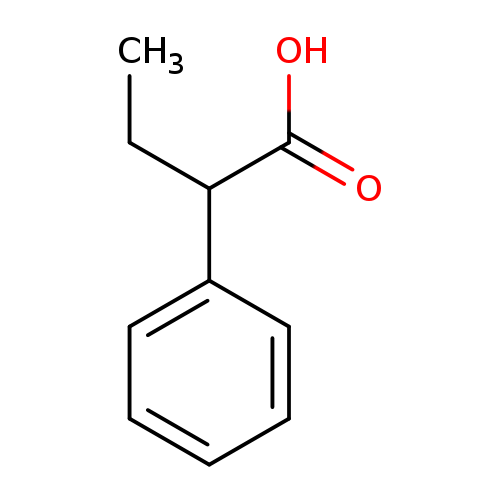
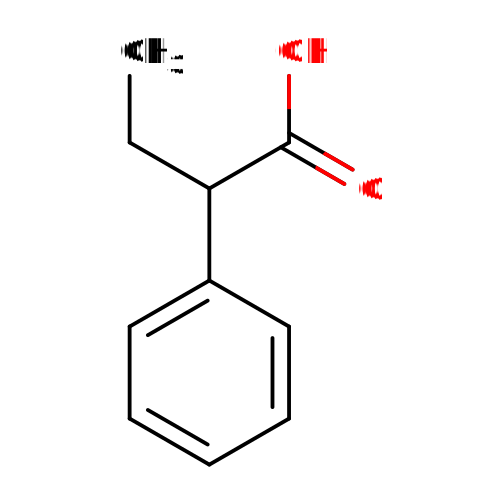
2-Phenylbutyric acid, also known as a-phenylbutyrate or (RS)-2-phenylbutanoate, belongs to the class of organic compounds known as phenylpropanes. These are organic compounds containing a phenylpropane moiety. 2-Phenylbutyric acid exists in all living organisms, ranging from bacteria to humans. Based on a literature review a small amount of articles have been published on 2-Phenylbutyric acid.
Cutaneous mastocytosis is a term referring to a group of diseases characterized by abnormal accumulation and proliferation of skin mastocytes. In some cases (most commonly in adults), cutaneous mastocytosis may occur in association with mast cell infiltration of various extracutaneous organs, in which case the disorder is referred to as systemic mastocytosis.
Their findings revealed that infected cows had increased levels of five ruminal metabolites (12-oxo-20-dihydroxy-leukotriene B4, 10beta-hydroxy-6beta-isobutyrylfuranoeremophilane, methenamine, 5-hydroxymethyl-2-furancarboxaldehyde, 6-methoxymellein) that contributed to inflammation promotion, along with decreased levels of 2-phenylbutyric acid that was linked to immune function.
Written in the paper as “2-phenylbutyric acid” and “CM”
During intramammary infections (IMIs), short-chain fatty acid (SCFA)-producing bacteria and probiotics decreased in the rumen, which was accompanied by a decrease in 2-phenylbutyric acid; in addition, research shows that the levels of 12-oxo-20-dihydroxy-leukotriene B4 and 10beta-hydroxy-6beta-isobutyrylfuranoeremophilane in the rumen of CM cows and 6-methoxymellein and 5-hydroxymethyl-2-furancarboxaldehyde (5-HMF) in the rumen of SCM cows significantly increased, indicating their high application value as biomarkers of mastitis in dairy cows [106].
Written in the paper as “2-phenylbutyric acid” and “intramammary infections”
Their findings revealed that infected cows had increased levels of five ruminal metabolites (12-oxo-20-dihydroxy-leukotriene B4, 10beta-hydroxy-6beta-isobutyrylfuranoeremophilane, methenamine, 5-hydroxymethyl-2-furancarboxaldehyde, 6-methoxymellein) that contributed to inflammation promotion, along with decreased levels of 2-phenylbutyric acid that was linked to immune function.
Written in the paper as “2-phenylbutyric acid” and “subclinical mastitis”
Their findings revealed that infected cows had increased levels of five ruminal metabolites (12-oxo-20-dihydroxy-leukotriene B4, 10beta-hydroxy-6beta-isobutyrylfuranoeremophilane, methenamine, 5-hydroxymethyl-2-furancarboxaldehyde, 6-methoxymellein) that contributed to inflammation promotion, along with decreased levels of 2-phenylbutyric acid that was linked to immune function.
Written in the paper as “2-phenylbutyric acid” and “immune function”