
Showing metabocard for Oxoadipic acid (BMDB0000225)
| Record Information | ||||||||||||||||||||||||||||||||||||||||||||||||||||||||||
|---|---|---|---|---|---|---|---|---|---|---|---|---|---|---|---|---|---|---|---|---|---|---|---|---|---|---|---|---|---|---|---|---|---|---|---|---|---|---|---|---|---|---|---|---|---|---|---|---|---|---|---|---|---|---|---|---|---|---|
| Version | 1.0 | |||||||||||||||||||||||||||||||||||||||||||||||||||||||||
| Creation Date | 2016-09-30 22:27:02 UTC | |||||||||||||||||||||||||||||||||||||||||||||||||||||||||
| Update Date | 2020-05-21 16:28:33 UTC | |||||||||||||||||||||||||||||||||||||||||||||||||||||||||
| BMDB ID | BMDB0000225 | |||||||||||||||||||||||||||||||||||||||||||||||||||||||||
| Secondary Accession Numbers |
| |||||||||||||||||||||||||||||||||||||||||||||||||||||||||
| Metabolite Identification | ||||||||||||||||||||||||||||||||||||||||||||||||||||||||||
| Common Name | Oxoadipic acid | |||||||||||||||||||||||||||||||||||||||||||||||||||||||||
| Description | Oxoadipic acid, also known as Oxoadipic acid or oxoadipic acid, belongs to the class of organic compounds known as medium-chain keto acids and derivatives. These are keto acids with a 6 to 12 carbon atoms long side chain. Oxoadipic acid exists as a solid, very hydrophobic, practically insoluble (in water), and relatively neutral molecule. Oxoadipic acid exists in all living species, ranging from bacteria to humans. Oxoadipic acid participates in a number of enzymatic reactions, within cattle. In particular, Oxoadipic acid and L-glutamic acid can be biosynthesized from aminoadipic acid and oxoglutaric acid; which is catalyzed by the enzyme kynurenine/alpha-aminoadipate aminotransferase, mitochondrial. In addition, Oxoadipic acid can be converted into carbon dioxide through its interaction with the enzyme oxoglutarate dehydrogenase complex. In cattle, oxoadipic acid is involved in the metabolic pathway called the lysine degradation pathway. Oxoadipic acid is a potentially toxic compound. | |||||||||||||||||||||||||||||||||||||||||||||||||||||||||
| Structure | 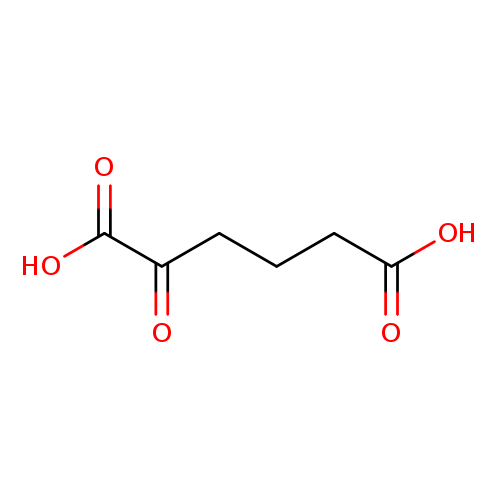 | |||||||||||||||||||||||||||||||||||||||||||||||||||||||||
| Synonyms |
| |||||||||||||||||||||||||||||||||||||||||||||||||||||||||
| Chemical Formula | C6H8O5 | |||||||||||||||||||||||||||||||||||||||||||||||||||||||||
| Average Molecular Weight | 160.1247 | |||||||||||||||||||||||||||||||||||||||||||||||||||||||||
| Monoisotopic Molecular Weight | 160.037173366 | |||||||||||||||||||||||||||||||||||||||||||||||||||||||||
| IUPAC Name | 2-oxohexanedioic acid | |||||||||||||||||||||||||||||||||||||||||||||||||||||||||
| Traditional Name | oxoadipate | |||||||||||||||||||||||||||||||||||||||||||||||||||||||||
| CAS Registry Number | 3184-35-8 | |||||||||||||||||||||||||||||||||||||||||||||||||||||||||
| SMILES | OC(=O)CCCC(=O)C(O)=O | |||||||||||||||||||||||||||||||||||||||||||||||||||||||||
| InChI Identifier | InChI=1S/C6H8O5/c7-4(6(10)11)2-1-3-5(8)9/h1-3H2,(H,8,9)(H,10,11) | |||||||||||||||||||||||||||||||||||||||||||||||||||||||||
| InChI Key | FGSBNBBHOZHUBO-UHFFFAOYSA-N | |||||||||||||||||||||||||||||||||||||||||||||||||||||||||
| Chemical Taxonomy | ||||||||||||||||||||||||||||||||||||||||||||||||||||||||||
| Description | belongs to the class of organic compounds known as medium-chain keto acids and derivatives. These are keto acids with a 6 to 12 carbon atoms long side chain. | |||||||||||||||||||||||||||||||||||||||||||||||||||||||||
| Kingdom | Organic compounds | |||||||||||||||||||||||||||||||||||||||||||||||||||||||||
| Super Class | Organic acids and derivatives | |||||||||||||||||||||||||||||||||||||||||||||||||||||||||
| Class | Keto acids and derivatives | |||||||||||||||||||||||||||||||||||||||||||||||||||||||||
| Sub Class | Medium-chain keto acids and derivatives | |||||||||||||||||||||||||||||||||||||||||||||||||||||||||
| Direct Parent | Medium-chain keto acids and derivatives | |||||||||||||||||||||||||||||||||||||||||||||||||||||||||
| Alternative Parents | ||||||||||||||||||||||||||||||||||||||||||||||||||||||||||
| Substituents |
| |||||||||||||||||||||||||||||||||||||||||||||||||||||||||
| Molecular Framework | Aliphatic acyclic compounds | |||||||||||||||||||||||||||||||||||||||||||||||||||||||||
| External Descriptors |
| |||||||||||||||||||||||||||||||||||||||||||||||||||||||||
| Ontology | ||||||||||||||||||||||||||||||||||||||||||||||||||||||||||
| Status | Detected but not Quantified | |||||||||||||||||||||||||||||||||||||||||||||||||||||||||
| Origin |
| |||||||||||||||||||||||||||||||||||||||||||||||||||||||||
| Biofunction | Not Available | |||||||||||||||||||||||||||||||||||||||||||||||||||||||||
| Application | Not Available | |||||||||||||||||||||||||||||||||||||||||||||||||||||||||
| Cellular locations |
| |||||||||||||||||||||||||||||||||||||||||||||||||||||||||
| Physical Properties | ||||||||||||||||||||||||||||||||||||||||||||||||||||||||||
| State | Solid | |||||||||||||||||||||||||||||||||||||||||||||||||||||||||
| Experimental Properties |
| |||||||||||||||||||||||||||||||||||||||||||||||||||||||||
| Predicted Properties |
| |||||||||||||||||||||||||||||||||||||||||||||||||||||||||
| Spectra | ||||||||||||||||||||||||||||||||||||||||||||||||||||||||||
| Spectra | ||||||||||||||||||||||||||||||||||||||||||||||||||||||||||
| Biological Properties | ||||||||||||||||||||||||||||||||||||||||||||||||||||||||||
| Cellular Locations |
| |||||||||||||||||||||||||||||||||||||||||||||||||||||||||
| Biospecimen Locations |
| |||||||||||||||||||||||||||||||||||||||||||||||||||||||||
| Pathways |
| |||||||||||||||||||||||||||||||||||||||||||||||||||||||||
| Normal Concentrations | ||||||||||||||||||||||||||||||||||||||||||||||||||||||||||
| ||||||||||||||||||||||||||||||||||||||||||||||||||||||||||
| Abnormal Concentrations | ||||||||||||||||||||||||||||||||||||||||||||||||||||||||||
| Not Available | ||||||||||||||||||||||||||||||||||||||||||||||||||||||||||
| External Links | ||||||||||||||||||||||||||||||||||||||||||||||||||||||||||
| HMDB ID | HMDB0000225 | |||||||||||||||||||||||||||||||||||||||||||||||||||||||||
| DrugBank ID | Not Available | |||||||||||||||||||||||||||||||||||||||||||||||||||||||||
| Phenol Explorer Compound ID | Not Available | |||||||||||||||||||||||||||||||||||||||||||||||||||||||||
| FooDB ID | FDB003362 | |||||||||||||||||||||||||||||||||||||||||||||||||||||||||
| KNApSAcK ID | C00000770 | |||||||||||||||||||||||||||||||||||||||||||||||||||||||||
| Chemspider ID | 70 | |||||||||||||||||||||||||||||||||||||||||||||||||||||||||
| KEGG Compound ID | C00322 | |||||||||||||||||||||||||||||||||||||||||||||||||||||||||
| BioCyc ID | 2K-ADIPATE | |||||||||||||||||||||||||||||||||||||||||||||||||||||||||
| BiGG ID | 1485244 | |||||||||||||||||||||||||||||||||||||||||||||||||||||||||
| Wikipedia Link | Not Available | |||||||||||||||||||||||||||||||||||||||||||||||||||||||||
| METLIN ID | 5234 | |||||||||||||||||||||||||||||||||||||||||||||||||||||||||
| PubChem Compound | 71 | |||||||||||||||||||||||||||||||||||||||||||||||||||||||||
| PDB ID | Not Available | |||||||||||||||||||||||||||||||||||||||||||||||||||||||||
| ChEBI ID | 15753 | |||||||||||||||||||||||||||||||||||||||||||||||||||||||||
| References | ||||||||||||||||||||||||||||||||||||||||||||||||||||||||||
| Synthesis Reference | Nelson, Randall B.; Gribble, Gordon W. Preparation of a-ketoadipic acid. Organic Preparations and Procedures International (1973), 5(2), 55-8. | |||||||||||||||||||||||||||||||||||||||||||||||||||||||||
| Material Safety Data Sheet (MSDS) | Not Available | |||||||||||||||||||||||||||||||||||||||||||||||||||||||||
| General References | Not Available | |||||||||||||||||||||||||||||||||||||||||||||||||||||||||

Enzymes
- General function:
- Transcription
- Specific function:
- Transaminase with broad substrate specificity. Has transaminase activity towards aminoadipate, kynurenine, methionine and glutamate. Shows activity also towards tryptophan, aspartate and hydroxykynurenine. Accepts a variety of oxo-acids as amino-group acceptors, with a preference for 2-oxoglutarate, 2-oxocaproic acid, phenylpyruvate and alpha-oxo-gamma-methiol butyric acid. Can also use glyoxylate as amino-group acceptor (in vitro) (By similarity).
- Gene Name:
- AADAT
- Uniprot ID:
- Q5E9N4
- Molecular weight:
- 47901.0
Reactions
| Aminoadipic acid + Oxoglutaric acid → Oxoadipic acid + L-Glutamic acid | details |
- General function:
- Energy production and conversion
- Specific function:
- Dihydrolipoamide succinyltransferase (E2) component of the 2-oxoglutarate dehydrogenase complex (By similarity). The 2-oxoglutarate dehydrogenase complex catalyzes the overall conversion of 2-oxoglutarate to succinyl-CoA and CO(2) (By similarity). The 2-oxoglutarate dehydrogenase complex is mainly active in the mitochondrion. A fraction of the 2-oxoglutarate dehydrogenase complex also localizes in the nucleus and is required for lysine succinylation of histones: associates with KAT2A on chromatin and provides succinyl-CoA to histone succinyltransferase KAT2A (By similarity).
- Gene Name:
- DLST
- Uniprot ID:
- P11179
- Molecular weight:
- 48973.0
Reactions
| Oxoadipic acid + Coenzyme A → Glutaryl-CoA + Carbon dioxide | details |
- General function:
- Energy production and conversion
- Specific function:
- 2-oxoglutarate dehydrogenase (E1) component of the 2-oxoglutarate dehydrogenase complex, which mediates the decarboxylation of alpha-ketoglutarate. The 2-oxoglutarate dehydrogenase complex catalyzes the overall conversion of 2-oxoglutarate to succinyl-CoA and CO(2). The 2-oxoglutarate dehydrogenase complex is mainly active in the mitochondrion. A fraction of the 2-oxoglutarate dehydrogenase complex also localizes in the nucleus and is required for lysine succinylation of histones: associates with KAT2A on chromatin and provides succinyl-CoA to histone succinyltransferase KAT2A.
- Gene Name:
- OGDH
- Uniprot ID:
- Q148N0
- Molecular weight:
- 115808.0
Reactions
| Oxoadipic acid + Coenzyme A → Glutaryl-CoA + Carbon dioxide | details |